
Many everyday exposures and metabolic processes raise oxidative stress, but you can proactively bolster your antioxidant defenses by optimizing diet, exercise, sleep, stress management, and targeted supplementation; this post explains five evidence-based strategies so you can reduce cellular damage, support repair mechanisms, and maintain long-term health.
Oxidative stress – the crucials
Your antioxidant system is a dynamic balance: enzymatic defenders (SOD, catalase, glutathione peroxidase) and small-molecule antioxidants (glutathione, vitamins C and E) neutralize reactive species while production continues. Mitochondria typically leak about 1-2% of consumed O2 as superoxide under normal respiration, and when generation outpaces clearance you accumulate oxidative damage-detectable by markers such as F2-isoprostanes and 8-oxo-dG-that drives functional decline across tissues.
Definition, sources of free radicals and reactive species
Free radicals carry unpaired electrons (superoxide O2•−, hydroxyl •OH) and non-radical reactive species include H2O2 and peroxynitrite (ONOO−). Major internal sources are the mitochondrial electron-transport chain (complexes I/III), NADPH oxidases (NOX enzymes), cytochrome P450 reactions and immune cell respiratory bursts; external sources include UV, ionizing radiation, air pollution and cigarette smoke, all of which increase your cellular oxidant load.
How oxidative damage affects cells, aging and disease risk
Oxidative damage alters lipids, proteins and DNA: lipid peroxidation produces reactive aldehydes (4‑HNE, MDA) that disrupt membranes, protein carbonylation impairs enzyme function, and 8-oxoguanine in DNA raises mutation rates and accelerates telomere shortening. These molecular lesions accumulate with age and are enriched in atherosclerotic plaques, Alzheimer’s-affected brain regions and cancerous tissues, linking higher oxidative markers to increased disease incidence in cohort studies.
Vulnerable cell types amplify risk: neurons consume high O2, hold polyunsaturated membranes and have limited antioxidant capacity, so dopamine metabolism in substantia nigra generates both ROS and reactive quinones implicated in Parkinson’s. Clinically, you can quantify oxidative burden with mass‑spec F2‑isoprostanes, urinary 8‑OHdG and protein carbonyl assays; longitudinal studies show that elevated values predict worse cardiovascular and cognitive outcomes over years.
Strengthen defenses with targeted nutrition
You can boost antioxidant defenses by prioritizing specific nutrients: vitamin C (RDA 75-90 mg), vitamin E (15 mg alpha‑tocopherol), selenium (55 µg), carotenoids and polyphenols. Focus on whole foods-citrus, nuts, Brazil nuts, leafy greens, berries, and tomatoes-rather than routine supplementation unless testing shows deficiency. Clinical trials link diets rich in polyphenol‑dense foods to lower oxidative biomarkers; aim for colorful plates and steady intake to support glutathione and enzymatic antioxidant activity.
Key dietary antioxidants (vitamin C, E, polyphenols, selenium, carotenoids)
Vitamin C regenerates vitamin E and you should target 75-90 mg daily from oranges, bell peppers and strawberries. Vitamin E (15 mg) from almonds and sunflower seeds protects cell membranes. Polyphenols-abundant in berries, green tea (≈50-100 mg EGCG per cup) and dark chocolate-scavenge free radicals. A single Brazil nut often supplies the 55 µg selenium RDA. Carotenoids like beta‑carotene and lutein from carrots and spinach feed into your cellular antioxidant network and support vision.
Practical food-focused guidance and meal strategies
Build meals around colorful vegetables and at least two fruit servings daily; include a small handful of nuts (about 15-30 g) and fatty fish twice weekly for vitamin E and omega‑3 support. Swap refined carbs for whole grains, cook with extra‑virgin olive oil, and add green tea mid‑afternoon. You should aim for five-plus vegetable servings and consistent polyphenol intake to maintain steady antioxidant availability and support enzymatic defenses.
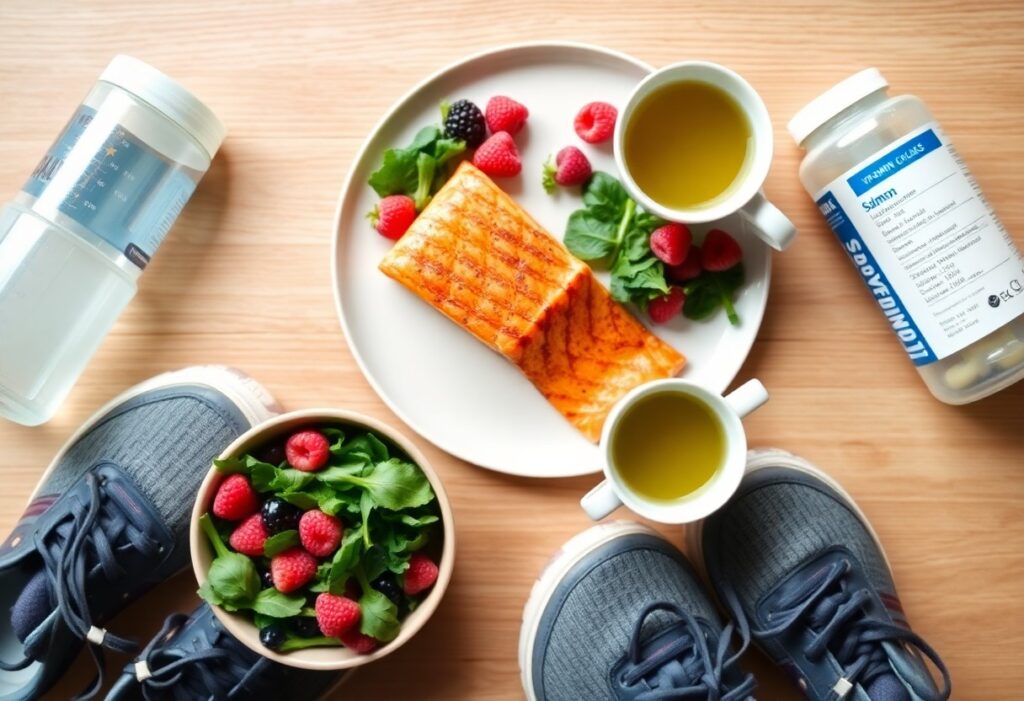
Example day: breakfast smoothie with spinach, orange and a tablespoon of ground flaxseed; lunch salad with mixed greens, tomato, avocado and 1 ounce (28 g) nuts; afternoon green tea and a square of 70% dark chocolate; dinner of grilled salmon, sweet potato and steamed broccoli. You should pair carotenoid‑rich vegetables with a fat source (olive oil or avocado) to boost absorption and favor gentle cooking-steaming or quick sauté-to preserve antioxidant compounds.
Regular physical activity to up‑regulate antioxidant enzymes
You can boost endogenous antioxidant enzymes through consistent exercise; moderate aerobic training (150 minutes/week) or mixed programs with resistance work elevate SOD, catalase and glutathione activity within weeks to months, lowering markers like plasma MDA and protein carbonyls. Use progressive overload and recovery to favor adaptive signaling over excessive oxidative damage, and monitor fatigue so adaptations accumulate rather than regress.
- Aim for 150 minutes of moderate aerobic activity or 75 minutes of vigorous activity weekly.
- Add two strength-training sessions targeting major muscle groups on nonconsecutive days.
- After you complete higher-intensity blocks, incorporate 48-72 hours of relative recovery to consolidate enzyme induction.
Mechanisms: hormesis, SOD/catalase/glutathione induction
When you train, transient ROS act as signaling molecules (hormesis) that activate Nrf2 and related transcription factors, increasing expression of SOD isoforms, catalase and glutathione peroxidase; concurrently, you enhance glutathione synthesis via upregulation of γ‑glutamylcysteine ligase, improving intracellular redox buffering and lowering long‑term oxidative damage observed in controlled trials over 4-12 weeks.
Exercise types, intensity and frequency recommendations
You should combine aerobic (brisk walking, cycling), interval (HIIT: 4×30-60s efforts at ≥85% HRmax with 2-3 min recovery) and resistance training (2×/week, 8-12 reps, 2-4 sets) to maximize enzyme induction; target 3-5 aerobic sessions weekly and limit exhaustive high‑volume days to avoid chronic oxidative stress, using RPE 5-7 for most sessions and occasional RPE 8-9 for short intervals.
More specifically, you can structure sessions so that moderate 30-45 minute aerobic workouts (60-75% VO2max) occur 3 times weekly, HIIT is used once every 7-10 days, and resistance work targets all major muscle groups twice weekly; practical examples include 30 minutes brisk walk + two 45‑minute gym sessions, or alternating cycling intervals with full‑body strength circuits to sustain enzyme upregulation without overtraining.
- Moderate aerobic: 30-45 min at 60-75% VO2max, 3×/week.
- HIIT: 4-8 × 30-60 s at ≥85% HRmax, 1×/week or every 10 days.
- Resistance: 2×/week, 8-12 reps, 2-4 sets for major muscle groups.
- After you cycle intensity and recovery, track performance and biomarkers (fatigue, sleep, resting HR) to adjust load.
| Training element | Recommendation / example |
|---|---|
| Moderate aerobic | 30-45 min, 60-75% VO2max, 3×/week (brisk walking, cycling) |
| HIIT | 4-8 × 30-60s efforts at ≥85% HRmax, 1×/week or every 7-10 days |
| Resistance | 2×/week, 8-12 reps, 2-4 sets for major muscle groups (squats, rows) |
| Recovery & periodization | Include 48-72 h between intense sessions; deload 1 week every 4-8 weeks |
Optimize sleep, circadian health and stress resilience
Prioritize circadian alignment and consistent sleep to support nightly antioxidant repair: aim for 7-9 hours with bedtime/wake-time variability under 30-60 minutes, get 10-20 minutes of bright morning light, and cut blue-light exposure after sunset (peak melatonin suppression ≈460 nm). Deep slow-wave sleep boosts growth-hormone-mediated repair and upregulates antioxidant enzymes like SOD and glutathione recycling; even one night of restricted sleep elevates oxidative markers such as malondialdehyde (MDA).
Sleep quality, timing and antioxidant repair processes
Optimize sleep architecture by prioritizing uninterrupted slow-wave sleep-this is when DNA repair and antioxidant gene expression peak. You can improve slow-wave sleep by avoiding caffeine after 2 pm, keeping bedroom temperature near 16-19°C, and using dim, warm light in the evening. Shift workers should use timed melatonin (0.5-1 mg) and strategic light exposure to realign rhythms; studies show circadian alignment restores antioxidant enzyme activity within days to weeks.
Stress-reduction practices that lower oxidative burden
Lower your oxidative burden with targeted stress-reduction: practice resonant breathing (≈6 breaths/min) for 10-20 minutes daily to raise HRV, use HRV biofeedback twice daily when possible, and incorporate brisk aerobic exercise (30 minutes, 3-5 times weekly) which increases endogenous antioxidant enzymes. Mindfulness or CBT-based programs across 8 weeks have been linked to reduced inflammatory and oxidative markers in multiple trials.
Start with 5-10 minutes of paced breathing and build to 15-20 minutes; use a phone app or chest-strap HRV monitor to target resonant frequency (usually 5-6 breaths/min). Combine with progressive muscle relaxation or guided imagery and schedule high-intensity workouts earlier in the day since late-night sprints temporarily increase ROS. Structured programs like 8-week MBSR or CBT provide graded practice and have shown measurable drops in salivary cortisol and oxidative biomarkers versus controls.
Evidence-based supplementation and clinical supports
You can leverage targeted supplements and supervised clinical therapies when lifestyle changes fall short; randomized trials and clinical series support agents like N‑acetylcysteine, alpha‑lipoic acid, CoQ10, selenium and vitamins C and E. For high oxidative burden or complex disease, consider medically supervised options such as IV vitamin C (often 50-100 g in oncologic adjunct protocols) or IV/IM glutathione, both of which require clinician oversight, consent and lab monitoring for safety and efficacy.
Proven supplements, appropriate dosing and safety considerations
For measurable benefit use established dosing: NAC 600-1,800 mg/day, alpha‑lipoic acid 300-600 mg/day for diabetic neuropathy, CoQ10 100-300 mg/day for statin myopathy/heart failure, vitamin C 500-2,000 mg/day orally (IV much higher), selenium 55-200 mcg/day, and magnesium 200-400 mg/day. Start low, titrate, and monitor: avoid chronic vitamin E >400 IU/day, watch for selenium/zinc toxicity, monitor warfarin if using CoQ10, and screen for drug interactions with melatonin, NAC or ALA.
When to use lab testing and professional oversight
Order testing if you have persistent symptoms, chronic inflammatory or neurodegenerative disease, high toxin exposure, are on multiple medications, or plan high‑dose/IV antioxidant therapy. Useful assays include plasma/urinary F2‑isoprostanes, 8‑OHdG, GSH/GSSG ratio, serum selenium, ferritin/transferrin saturation, CRP and basic metabolic/liver panels; results guide agent choice, dosing and monitoring intervals.
Implement baseline labs before initiating high‑dose or IV interventions and repeat 8-12 weeks after changes, sooner if symptoms or adverse effects occur. Work with a physician, clinical pharmacist or specialist experienced in oxidative biomarkers to interpret GSH/GSSG imbalances, elevated F2‑isoprostanes or abnormal iron indices; adjusting therapy based on objective markers reduces risk and improves chances of symptomatic and biochemical improvement.
Reduce exposures and support metabolic health
Minimize toxins (smoking, pollutants, excessive alcohol) and pro-oxidant drugs
Avoiding cigarette smoke (which contains >4,000 chemicals), cutting back on heavy alcohol use, and lowering indoor/outdoor air pollution exposure directly reduces ROS generation and systemic inflammation. Use a HEPA filter, avoid idling traffic and secondhand smoke, and limit binge drinking (more than 3 drinks/day). Discuss any known pro-oxidant medications-doxorubicin or high-dose acetaminophen in overdose-with your clinician to balance benefits and oxidative risks.
Weight, glucose control and metabolic strategies to lower oxidative load
Targeting visceral fat and glycemic variability reduces mitochondrial overproduction of reactive oxygen species; even 5-10% weight loss lowers oxidative biomarkers. Adopt a Mediterranean-style, lower-glycemic eating pattern, prioritize 150 minutes/week of moderate exercise, and consider time-restricted eating (8-10 hour window) to improve insulin sensitivity and cut oxidative load.
Hyperglycemia drives ROS through the polyol pathway, protein glycation and mitochondrial superoxide overproduction, while visceral adipose tissue secretes IL-6 and TNF-α that sustain oxidative signaling. You can blunt these pathways by lowering postprandial spikes (choose whole grains, legumes, fiber 25-30 g/day and nuts), losing modest weight (5-10%), and improving fitness (≥150 min/week). Interventions like metformin or SGLT2 inhibitors have been shown to reduce oxidative markers via AMPK activation or improved mitochondrial function, so discuss metabolic therapy with your provider if lifestyle measures aren’t sufficient.
Summing up
To wrap up, you can strengthen your antioxidant defenses by prioritizing a diet rich in fruits, vegetables, and polyphenols; exercising regularly; ensuring quality sleep; managing stress through relaxation techniques; and minimizing exposures like smoking and excessive alcohol. Combining these evidence-based habits improves cellular resilience, supports immune function, and lowers oxidative damage, so make them consistent parts of your daily routine.