
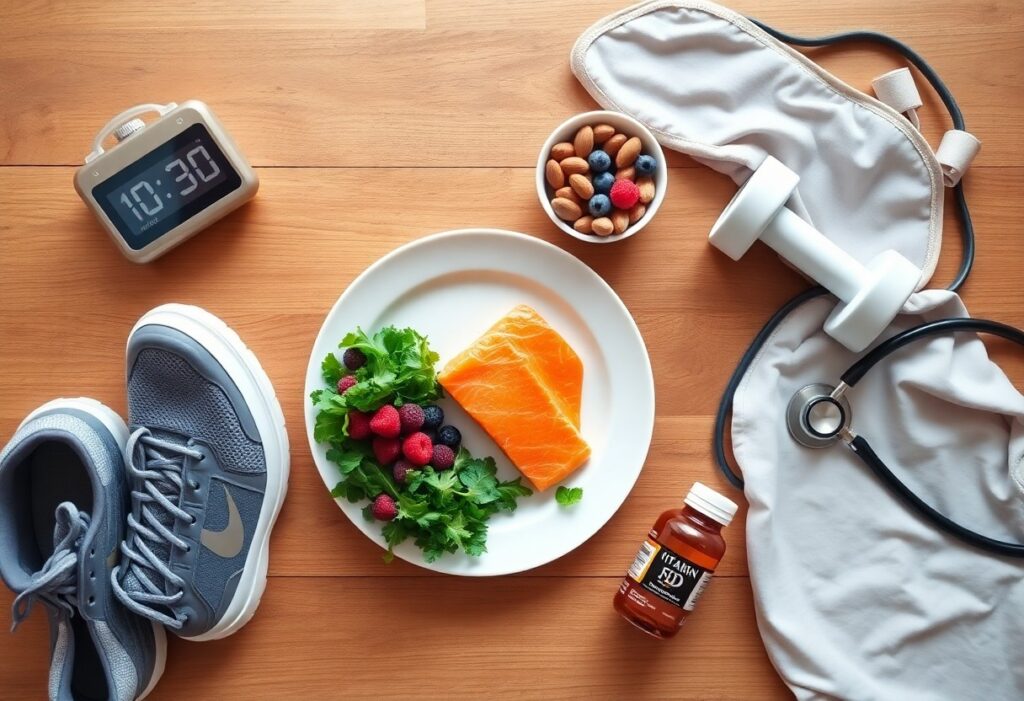

Just as your body changes with age, your hormones shift too, but you can support balance through targeted choices: prioritize sleep, eat balanced nutrition rich in protein and healthy fats, do regular strength and aerobic exercise, manage stress with mindfulness or breathing, and schedule routine medical screening including hormone checks and medication review. These five proven strategies help preserve energy, bone density, mood, and metabolic health so you maintain vitality as you get older.
Hormones and aging – the necessarys
You’ll notice overlapping hormonal shifts drive many age-related changes: declines in anabolic hormones reduce muscle and bone, metabolic hormones push toward insulin resistance and fat gain, and stress hormones alter sleep and mood; addressing multiple axes at once usually gives the biggest benefit.
Which hormones change with age (sex hormones, growth hormone, DHEA, thyroid, insulin, cortisol)
You experience falling sex hormones-testosterone drops roughly 1% per year in men after 30 and estradiol falls sharply at menopause-while growth hormone and IGF‑1 decline about 10-20% per decade, DHEA‑S can fall 60-80% by your seventies, thyroid conversion to T3 declines slightly, insulin sensitivity worsens, and cortisol rhythms often flatten with higher evening levels.
Typical effects and symptoms (muscle loss, bone decline, changes in mood, libido, metabolism)
You may lose 3-8% of lean muscle each decade after 30, with accelerated sarcopenia after 60; bone density can drop up to ~20% in the first 5-7 years post‑menopause; mood shifts, lower libido, reduced endurance, central fat gain and a slower resting metabolic rate commonly follow these hormonal changes.
Mechanistically, lower testosterone and GH/IGF‑1 blunt muscle protein synthesis and repair, estrogen loss increases bone resorption and fracture risk, rising insulin resistance promotes visceral adiposity and dyslipidemia, and a flattened cortisol rhythm impairs sleep and mood regulation-so you’ll often see combined symptoms (fatigue, reduced strength, weight redistribution, sexual dysfunction) rather than isolated complaints.
Proven way 1 – Optimize nutrition
You should prioritize nutrient-dense eating to support hormone balance as you age: focus on adequate protein, healthy fats, fiber-rich carbs and targeted micronutrients to maintain muscle, insulin sensitivity and sex-hormone production. Aim for consistent meal timing, minimal ultra-processed foods, and hydration; small swaps-like replacing a sugary snack with nuts and vegetables-produce measurable hormone and metabolic gains within months.
Key nutrients and patterns (adequate protein, healthy fats, fiber, vitamin D, magnesium, zinc)
You should target roughly 1.0-1.5 g protein per kg bodyweight daily (1.2 g/kg is a practical aim), 25-30 g fiber, 800-2,000 IU vitamin D, 310-420 mg magnesium and 8-11 mg zinc. Emphasize monounsaturated fats (olive oil, avocado), plus omega‑3s via two oily fish servings weekly (≈250-500 mg EPA/DHA). Whole grains, legumes and vegetables stabilize blood sugar and support gut-hormone signaling.
Practical guidance (protein targets, reduce refined carbs/sugar, Mediterranean-style eating)
You should aim for 25-35 g protein per meal, spaced every 3-4 hours, and keep added sugars under ~10% of calories (about <50 g/day). Swap refined grains for beans, oats and vegetables, use olive oil and nuts, and include fatty fish twice weekly. This Mediterranean-style pattern supports insulin sensitivity, lowers chronic inflammation and helps preserve sex- and stress-hormone balance.
You can use concrete meal examples: breakfast of Greek yogurt with nuts and berries (20-30 g protein), lunch with 3-4 oz (85-115 g) grilled chicken, quinoa and salad, and dinner of salmon with roasted vegetables. Snack on a small handful of almonds or hummus with carrots to boost healthy fats and fiber. Clinical trials show older adults increasing protein toward ~1.2 g/kg while following Mediterranean patterns retained more lean mass and better fasting glucose over months.
Proven way 2 – Use targeted exercise
Resistance training to preserve muscle, bone and anabolic signaling
You should do progressive resistance training 2-3 times per week, focusing on compound movements (squat, deadlift, bench press or leg press, rows) with 2-4 sets of 6-12 reps per exercise to stimulate muscle protein synthesis for 24-48 hours and support bone density. Programs that increase load 2-5% when you can complete the top reps preserve strength and functional performance in people over 60, reducing fall risk and helping maintain anabolic signaling like post-workout testosterone and growth hormone surges.
Aerobic and interval work to improve insulin sensitivity and cardiovascular health
You should combine steady aerobic sessions (150 minutes moderate or 75 minutes vigorous weekly) with 1-2 weekly HIIT sessions to lower fasting insulin, improve VO2max and reduce blood pressure. Try sessions such as 20 minutes of intervals (30-60s high effort with 90-120s easy, 6-10 repeats) or a 4×4 protocol at 85-95% HRmax; studies report 15-30% improvements in insulin sensitivity over several weeks of consistent interval training.
For practical programming, begin with three 30-minute brisk walks or bike rides plus one short interval session, progressing intervals from 4 repeats to 8 over 6-8 weeks; a sample HIIT workout is 10-minute warm-up, 8×30s hard/90s easy, 5-minute cooldown. Mechanistically, repeated high-intensity efforts increase GLUT4 translocation and mitochondrial density in muscle, lower intramuscular lipid, and produce faster insulin-response improvements than steady-state work alone, especially when paired with resistance training.
Proven way 3 – Prioritize sleep and stress management
Sleep hygiene and recovery to support growth hormone and cortisol balance
Your largest growth-hormone pulses occur during slow-wave sleep, especially in the first 90-120 minutes, so aim for 7-9 hours night-to-night and a consistent bedtime within ±30 minutes. Keep the bedroom cool (60-67°F / 15-19°C), reduce light to near-dark (<3 lux), avoid screens 60-90 minutes before bed, finish caffeine by mid-afternoon, limit alcohol, and finish vigorous exercise 2-3 hours before sleep to protect deep sleep and normalize evening cortisol.
Stress-reduction practices (mindfulness, breathing, behavioral strategies)
You can lower sympathetic drive and improve HRV with simple, repeatable tools: diaphragmatic breathing at ~5-6 breaths/min (5-10 minutes), box breathing (4-4-4-4), or 10-20 minutes daily mindfulness. Combine behavioral tactics-time-blocking, clear work/home boundaries, short recovery breaks-to reduce frequent cortisol spikes. Progressive muscle relaxation and brief walking breaks also shift physiology away from chronic stress responses and support hormonal recovery.
Practical routine examples speed adoption: do bright light exposure for 10 minutes after waking, a 5-minute paced-breathing session at lunch (inhale 5s, exhale 5s, repeat 6 times), and a 10-minute evening mindfulness practice before dimming lights; stack these to existing habits (after brushing teeth, after lunch). Aim for 30 minutes moderate exercise 3-5 times weekly and use implementation intentions (“If I feel overwhelmed, I will do 3 minutes of box breathing”)-programs of 6-8 weeks consistently show lower perceived stress and improved evening cortisol profiles.
Proven way 4 – Maintain healthy body composition
As you age, keeping a lower fat-to-lean mass ratio supports insulin sensitivity, stable sex hormones, and a higher resting metabolic rate. Aim for gradual fat loss of about 0.5-1% body weight per week while prioritizing resistance training and adequate protein to protect muscle. That balance helps reduce visceral fat linked to metabolic disease and preserves hormones like testosterone and IGF-1.
Strategies to reduce visceral fat and preserve lean mass (calorie control + protein + strength work)
Create a 300-500 kcal daily deficit for steady fat loss, target 1.2-1.6 g protein per kg body weight (roughly 25-40 g protein per meal), and perform 2-4 weekly resistance sessions of 20-40 minutes focused on compound lifts. Add 1-2 HIIT or brisk cardio sessions weekly to accelerate visceral fat loss; many people see improved waist circumference and insulin markers within 8-12 weeks.
Long-term habit formation: meal timing, progressive overload, consistent activity
Front-load calories and protein earlier in the day with ~30-40 g protein at each main meal and consider a 12-14 hour overnight fast if it suits you. Progress training by adding 2-5% more weight or 1-2 reps per week and log each session. Pair this with 150-300 minutes of moderate activity weekly so gains compound over months rather than fade after a few weeks.
Anchor habits to existing routines: have a protein-rich breakfast within an hour of waking, schedule strength sessions on set weekdays, and use micro-progression (add 2.5 kg or 1-2 reps when a target feels easy). Track performance and waist circumference instead of daily scale swings-aim for a 10-20% strength increase or a few-centimeter waist reduction in 8-12 weeks as practical progress markers. Use calendar reminders, two-week streak rewards, and prioritize 7-8 hours sleep to support recovery and hormone balance.
Proven way 5 – Screening, medical options and evidence-based supplements
When to test hormones, how to interpret results, and when to consult a clinician for therapy
If you have persistent fatigue, low libido, weight or muscle loss, hot flashes, mood shifts, or unexplained bone loss, get tested; for men order total and free testosterone in the morning (7-10 AM) on two occasions, and for women check FSH, LH and estradiol (day 3 for baseline ovarian reserve, day 21 for luteal progesterone when assessing ovulation). Also include TSH, free T4, cortisol, SHBG, DHEA‑S and metabolic labs (fasting glucose, HbA1c). Interpret values against age‑adjusted ranges and symptoms, and consult a clinician if results are abnormal, symptoms impair function, or you’re considering hormone therapy.
Supplements and support with caveats (vitamin D, omega‑3s, and medically supervised options)
Target serum 25(OH)D 30-50 ng/mL; supplement 1,000-2,000 IU/day or use supervised repletion (50,000 IU weekly for 6-8 weeks) if deficient, and monitor calcium. For omega‑3s, aim for EPA+DHA 1-4 g/day to lower triglycerides and inflammation; prescription icosapent ethyl 4 g/day reduced CV events in REDUCE‑IT. Use third‑party tested products, be aware of drug interactions (anticoagulants), and avoid androgenic or estrogenic supplements without medical supervision.
Get baseline labs before starting supplements: measure 25(OH)D and correct deficiency with a monitored regimen, checking calcium and renal function; recheck levels after 8-12 weeks. For omega‑3s follow triglyceride targets-OTC fish oil at 1-2 g/day helps general inflammation, while 4 g/day EPA (prescription) is indicated for high triglycerides and CV risk reduction; watch for bleeding risk above ~3 g/day and interactions with anticoagulants. If you consider DHEA, bioidentical hormones, testosterone or estrogen, expect clinician‑led dosing, routine monitoring (hematocrit, lipids, liver, PSA in men), and risk assessment for VTE and cardiovascular disease. Choose supplements with USP/NSF/ConsumerLab verification to avoid contamination and variable potency.
Conclusion
So as you age, prioritizing nutrition, resistance exercise, quality sleep, stress management, and regular medical monitoring can help keep your hormones balanced and energy steady. You can support healthy hormone function by focusing on protein-rich meals, maintaining muscle mass, minimizing chronic stress, moderating alcohol and sugar, and working with your clinician to assess and adjust hormones when needed for safe, sustained vitality.