
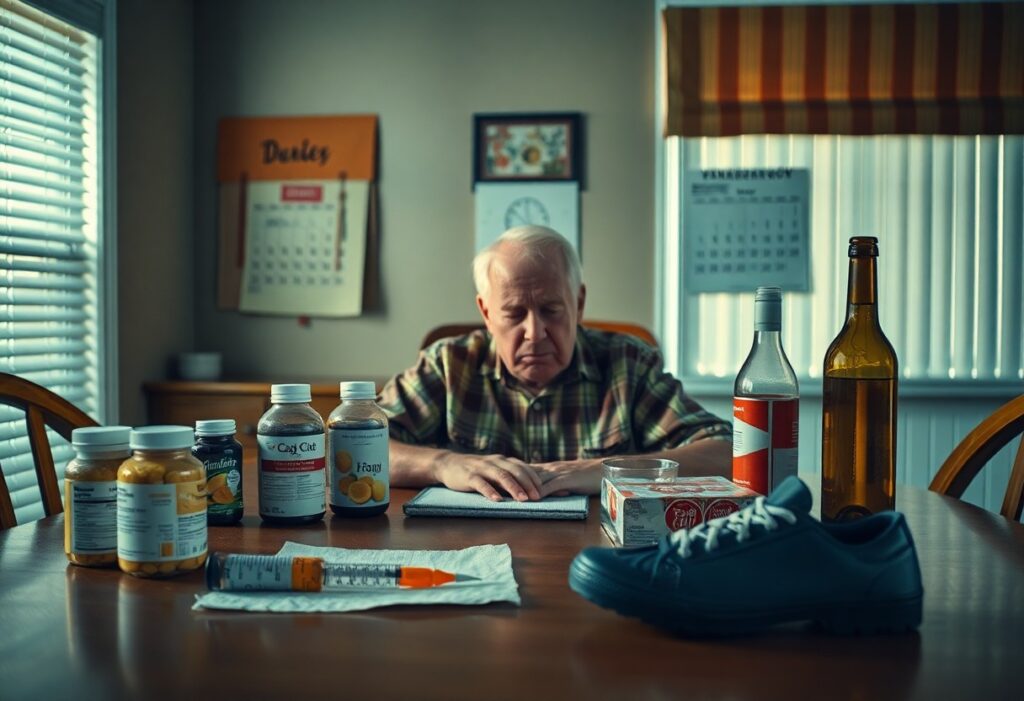

Aging shifts your hormonal landscape, and if you ignore common missteps-poor sleep, unchecked stress, inappropriate supplementation, sedentary habits, chronic inflammation, and skipping diagnostic testing, you can amplify fatigue, weight gain, mood swings, and cognitive decline; this post explains how each error worsens aging and what practical steps you can take to protect your vitality and restore hormonal balance.
Misstep 1 – Skipping Proper Hormone Evaluation
If you skip a targeted hormonal workup, symptoms like fatigue, low libido, sleep changes, and unexplained weight gain get blamed on “normal aging.” Testosterone falls about 1% per year after age 30 and studies estimate 20-40% of men over 60 have low total testosterone; women experience perimenopausal shifts in estrogen and progesterone that alter metabolism and bone health. Baseline labs create a measurable starting point for safe, effective interventions instead of guessing at treatment.
How it presents and the risks
You may notice subtle signs – declining strength, mood changes, sexual dysfunction, hot flashes, or irregular cycles – that precede major consequences. Low sex hormones are associated with sarcopenia, decreased bone density (about 1 in 3 women over 50 will suffer an osteoporotic fracture in her lifetime), worsened glucose metabolism, and higher frailty risk. Delayed diagnosis increases likelihood of preventable complications and limits treatment options.
Evidence-based testing and interpretation
Order targeted panels: for men, total testosterone 7-10 AM on two separate days, plus SHBG and free testosterone (equilibrium dialysis preferred); for women, cycle-day 3 FSH/estradiol or AMH depending on concern. Add TSH, fasting glucose/A1c, DHEA‑S, and morning cortisol when indicated. Interpret results against age-specific ranges (male total commonly 300-1000 ng/dL) and clinical context; medications, obesity, and acute illness can suppress values.
When initial tests show abnormal values, pursue confirmation and targeted follow-up: if total testosterone is ~240 ng/dL on two mornings with low/normal LH, evaluate for secondary hypogonadism and consider pituitary MRI; if cortisol is borderline, perform ACTH stimulation; if estrogen deficiency is suspected, get DEXA and consider bone-protective strategies. Using algorithmic testing prevents inappropriate therapy and guides safe, evidence-based treatment decisions.
Misstep 2 – Self-Medicating with Unregulated Supplements
You may think an over-the-counter “testosterone booster” or herbal estrogen is a harmless shortcut, but dietary supplements aren’t reviewed by the FDA for safety or efficacy before sale; studies report mislabeling and contamination rates between about 20% and 60% in some product surveys. Unverified products can deliver unpredictable doses, hidden steroids, or thyroid hormones that trigger arrhythmias, mood swings, or liver injury, making aging feel worse rather than better.
False promises, interactions, and harms
Marketing often promises restored youth, yet most OTC “hormone boosters” lack robust randomized trials and rarely change serum hormone levels. In clinical practice, testosterone therapy is reserved for men with total testosterone consistently <300 ng/dL on two morning tests; indiscriminate supplement use can interact with prescription drugs-St. John's wort induces CYP3A4 and lowers statins or anticoagulants-and has been linked to bleeding, liver toxicity, and unexpected steroid exposure.
Safer supplement use and clinician guidance
Talk to your clinician before starting anything, bring product labels, and choose supplements with third‑party seals (USP, NSF, ConsumerLab); avoid “proprietary blends” that hide doses. Get baseline labs-two morning total testosterone checks when relevant, TSH, fasting lipids, hematocrit, and PSA if you’re a man over 40-and have your provider screen for drug interactions and monitor effects.
Follow-up typically involves repeat labs at about 3 months after starting a hormone‑related product and then every 6-12 months; clinicians will act if hematocrit rises above ~54%, liver enzymes increase, or PSA changes suggest prostate risk. Use trusted interaction databases (Lexicomp, Micromedex) or a pharmacist consult, prefer third‑party‑tested brands, and prioritize interventions with RCT evidence (for example, vitamin D for deficiency or omega‑3s to lower triglycerides) rather than anecdote-driven fixes.
Misstep 3 – Inappropriate Hormone Replacement (Wrong Type or Dose)
Choosing the wrong hormone or dose can make your symptoms worse: oral estrogens raise venous thromboembolism risk compared with transdermal patches (patches typically deliver 25-100 mcg/day), and excessive testosterone doses can trigger acne, aggression, and polycythemia. You may think “more is better,” but mismatched formulations, routes, or schedules often produce side effects while leaving bone loss and cognitive complaints unaddressed.
Consequences of over- or undertreatment
Overtreatment can cause measurable harms – testosterone doses >200 mg/week in men elevate hematocrit and thrombotic risk, and high-dose oral estrogen increases stroke risk in older smokers. Undertreatment leaves you with persistent hot flashes, sleep loss, and accelerated bone loss up to 2-3% annually in early postmenopause, increasing fracture risk if not adequately addressed.
Individualized HRT planning and monitoring
You need a plan based on age, comorbidities, and goals: obtain baseline labs (CBC, lipids, LFTs, estradiol/testosterone) and tailor route/dose; reassess symptoms and levels at 6-12 weeks, then every 6-12 months. Dose adjustments should target symptom relief with the lowest effective exposure and specific safety thresholds (hematocrit <54%, estradiol in target range for symptom control).
For example, a 62-year-old woman started on a 25 mcg/day transdermal estradiol patch plus cyclic progestin saw hot flashes drop 80% in six weeks and had estradiol 40-60 pg/mL; dose increased to 50 mcg/day when symptoms recurred. Conversely, a man on 100 mg IM testosterone biweekly developed hematocrit 56% and required dose reduction to 75 mg and closer monitoring every three months.
Misstep 4 – Ignoring Sleep, Stress, and Circadian Health
When you consistently skimp on sleep or expose yourself to light at night, hormones pay the price: the CDC recommends 7-9 hours for adults, and chronic short sleep raises evening cortisol while blunting nocturnal melatonin and growth hormone pulses. Over months this accelerates muscle loss, impairs glucose regulation, and lowers libido. Shift work and erratic schedules amplify these effects, so neglecting circadian health can make aging feel markedly worse than the calendar suggests.
Behaviors that disrupt hormonal balance
Late-night screen exposure, irregular bedtimes, nighttime eating, heavy alcohol before bed, and chronic high-stress states all shift hormonal timing: blue light suppresses melatonin, late calories shift insulin rhythms, and ongoing stress keeps cortisol elevated into the evening. Shift workers face higher rates of metabolic syndrome and sleep-related hormone disruption. Even habitual caffeine after 2 pm can shorten deep sleep, diminishing overnight testosterone and growth hormone release.
Practical sleep and stress interventions
Set a fixed sleep window aiming for 7-9 hours, dim lights 60-90 minutes before bed, and get 20-30 minutes of bright morning light to anchor your clock. Use blue-light filters after sunset, avoid caffeine after 2 pm, and keep evening meals light and at least 2-3 hours before sleep. For persistent insomnia, cognitive behavioral therapy for insomnia (CBT‑I) outperforms medications long-term; brief mindfulness or breathing practices lower pre-sleep arousal and evening cortisol.
Try a specific nightly routine: finish screens and heavy food by 9 pm, take a warm shower 30-60 minutes before bed, do 10 minutes of diaphragmatic breathing or progressive muscle relaxation, and consider 0.5-1 mg melatonin an hour before sleep to shift timing if jet lag or shift work disrupts you. Track sleep consistency for two weeks and consult a sleep specialist if you still wake unrefreshed or snore loudly, as untreated sleep apnea markedly worsens hormonal aging.
Misstep 5 – Poor Diet, Sedentary Lifestyle, and Weight Gain
Gaining weight and sitting most of the day shifts your hormonal balance-visceral fat increases aromatase activity, converting testosterone to estrogen and lowering testosterone by 10-20% with significant weight gain; insulin resistance rises and SHBG falls, altering free hormone ratios. That mix promotes fatigue, low libido, sleep disruption, and cognitive slowdown, making age-related decline feel accelerated rather than manageable.
Metabolic impacts on hormones
Visceral adiposity secretes IL-6 and TNF-α, raising systemic inflammation and free fatty acids that drive insulin resistance; over months you often see fasting insulin climb and HbA1c rise, while declining SHBG increases unbound sex steroids, exacerbating menstrual irregularities, erectile dysfunction, and energy imbalances.
Targeted nutrition and exercise solutions
Shift to a Mediterranean-style eating pattern with a 300-500 kcal/day deficit to achieve 5-10% weight loss, prioritize 20-30g fiber daily and protein at 1.2-1.6 g/kg, and combine 150 minutes/week of moderate aerobic activity with two resistance sessions to restore insulin sensitivity and boost anabolic hormone signaling.
For practical implementation, perform compound strength moves (squats, deadlifts, presses) 2-3× weekly with progressive overload to increase muscle mass and resting metabolic rate; add two 10-20 minute HIIT sessions to improve insulin sensitivity by ~10-20%; track waist circumference (goal: >5-10% reduction) and aim for consistent 7-8 hour sleep to consolidate hormonal gains, while replacing refined carbs with legumes, olive oil, fatty fish, and leafy greens for anti-inflammatory effect.
Misstep 6 – One-Size-Fits-All Care and Lack of Follow-Up
You can lose benefits or develop avoidable side effects when care is templated rather than tailored; many clinics ship standard hormone kits without baseline labs or scheduled reassessment. Ask for baseline CBC, CMP and sex-hormone panels, then goal-directed follow-ups at 6-8 weeks after changes and every 3-6 months thereafter so dosing, routes, and adjunct therapies match how your body actually responds.
Problems with generic protocols
Generic protocols often dose by age or weight and ignore metabolism, SHBG, comorbidities and meds, so you may be under- or overtreated. For example, a man on fixed testosterone gel can develop erythrocytosis-hematocrit above 54%-if not monitored; similarly, women on standard estradiol can have persistent vasomotor symptoms because absorption varies widely between patches, gels and oral routes.
Building a personalized, monitored plan
Start with a baseline symptom inventory (MRS or ADAM), targeted labs (CBC, CMP, TSH, total/free testosterone, estradiol, SHBG) and clear goals, then titrate based on symptoms and labs at 6-8 weeks. Use mid-normal lab ranges for your age as targets, adjust dose or route by 20-30% if needed, and schedule routine safety checks-hematocrit, lipids, liver panel-every 3-6 months until stable.
In practice, personalization means concrete steps: obtain baseline DXA if fracture risk exists, check PSA in men, and document symptom scores so you can quantify benefit. Communicate changes promptly-telephone or portal check-ins after any dose change-and keep a log of side effects and improvements; this lets you and your clinician make data-driven adjustments rather than guessing.
To wrap up
So you reduce unnecessary decline by avoiding the six missteps: ignoring hormonal shifts, self-diagnosing, skipping screenings, misusing supplements, neglecting sleep, and resisting lifestyle change. Work with qualified clinicians, monitor your symptoms and labs, prioritize sleep, nutrition, and exercise, and use hormone therapy judiciously to preserve energy, mood, metabolism, and your overall quality of life as you age.