
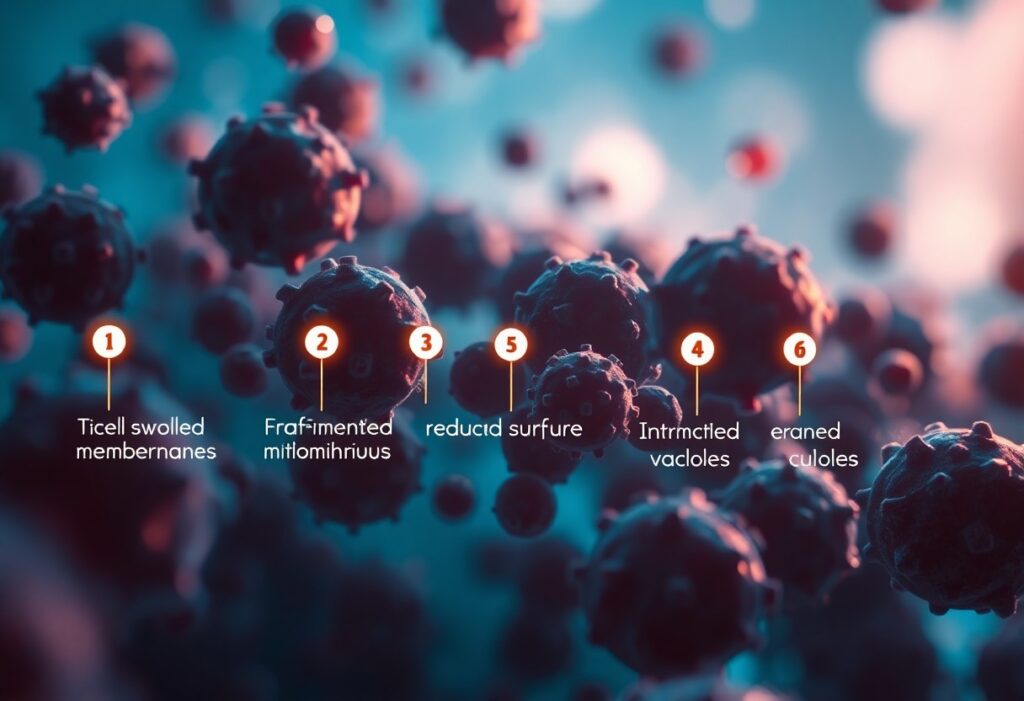

Cells respond to stress in ways you can detect: persistent fatigue, frequent infections, slow wound healing, swollen lymph nodes, unexplained inflammation, and prolonged recovery after exercise all point to weakened cellular immunity. If you notice several of these signs together, your immune cells may be taxed and warrant evaluation of lifestyle factors, nutrition, sleep, and medical testing to support recovery and restore effective immune function.
Immunity can falter in subtle ways; you may notice persistent fatigue, frequent minor infections, slow wound healing, increased allergies, prolonged inflammation, and unusual bruising-signals that your cellular immune response is under strain. Monitoring these signs and consulting a healthcare provider can help you identify underlying issues, adjust lifestyle factors, and consider targeted testing or therapies to restore immune resilience.
Persistent fatigue and malaise
When your energy never rebounds and you feel froggy or drained most days, that pattern often reflects ongoing immune activation or dysregulation; post-infectious fatigue can persist beyond 6 weeks in roughly 10-30% of cases, and low-grade inflammation (elevated CRP, IL-6) commonly correlates with symptom severity. If your work output drops by >25% or you require daily naps after minimal activity, treat immune strain as a likely contributor and document patterns for clinical review.
Why prolonged fatigue signals immune strain
Because cytokines such as IL-1, TNF-α and IL-6 produce “sickness behavior,” sustained elevations drive persistent tiredness and cognitive fog; studies link higher IL-6 with worse fatigue scores. Chronic immune activation diverts metabolic resources, impairs mitochondrial ATP production, and reduces muscle endurance. When you have recurrent infections or autoimmune history, findings like mildly elevated CRP (1-3 mg/L) or reduced NK-cell activity increase the probability that immune dysfunction is fueling your fatigue.
Practical assessment and when to investigate
Start evaluation if fatigue persists beyond 6 weeks, causes progressive functional loss, or accompanies fever, weight loss, night sweats, cognitive decline, or post-exertional malaise. Order CBC, CMP, TSH, ferritin, CRP/ESR, vitamin D and targeted infectious screens (HIV, EBV/CMV, Lyme) based on exposure; consider immunoglobulins and lymphocyte subsets if infections recur. Refer to primary care or immunology when abnormal labs, cytopenias, or inability to perform daily tasks are present.
For example, a 38-year-old with 10 weeks of post-viral fatigue and a 40% drop in work capacity had Hgb 11.2 g/dL and CRP 2 mg/L, prompting iron studies and immunologic testing that revealed low IgA. If you experience post-exertional malaise >24 hours, rapid functional decline, or hemoglobin drops, escalate evaluation within 2-4 weeks; otherwise repeat basic labs at 6 weeks and keep a symptom/activity diary to quantify change for your clinician.
Recurrent or unusually severe infections
If you get infections that are more frequent, deeper, or harder to clear than expected-recurrent sinusitis, multiple pneumonias, persistent thrush, or infections with unusual organisms-this signals strain on your cellular immunity. Recurrent viral or opportunistic fungal infections often point to T‑cell or NK‑cell problems, while repeated bacterial pneumonias suggest neutrophil or antibody dysfunction. Track frequency, severity, and response to antibiotics to guide targeted evaluation.
Patterns and likely immune-cell deficits
If you have >8 ear infections/year, >2 pneumonias/year, or need IV antibiotics for infections, think neutrophil defects or antibody failure; frequent viral warts, severe HSV, or persistent Candida suggest T‑cell or NK‑cell dysfunction; recurrent Neisseria meningococcal disease implicates terminal complement deficits. Low vaccine responses with repeated sinopulmonary infections point to B‑cell or antibody production problems; map the organism type and infection site to likely cellular deficits.
Diagnostic steps and when to seek care
See your primary care clinician or immunologist if you meet the above frequency thresholds, have infections requiring hospitalization, or get opportunistic organisms. Initial tests include CBC with differential, quantitative IgG/IgA/IgM and IgG subclasses, vaccine titers, and HIV screening; urgent referral is warranted for neutrophils <500/mm3 or recurrent severe infections.
Further evaluation often adds lymphocyte subsets (CD3, CD4, CD8, CD19), neutrophil oxidative burst (DHR) for CGD, CH50/CH100 for complement, and specific functional antibody testing; an IgG <500 mg/dL, absent vaccine titers, abnormal DHR, or severely low CD4 counts guide immunology-directed therapy such as IVIG or prophylactic antibiotics.
Recurrent or unusually severe infections
If you have more than four ear or sinus infections a year, two or more pneumonias within three years, severe shingles before age 50, persistent oral thrush, or unexplained disseminated infections, your cellular immunity may be strained. Recurrent viral reactivations (HSV, VZV, CMV), chronic mucocutaneous candidiasis, non-tuberculous mycobacterial infections and persistent HPV warts are common red flags that warrant prompt immunologic evaluation and targeted infection control.
Patterns that indicate compromised cellular immunity
Frequent or severe intracellular infections-recurrent herpes simplex, disseminated varicella, CMV retinitis-or opportunistic fungal disease such as Pneumocystis jirovecii pneumonia signal T‑cell dysfunction. Repeated atypical mycobacterial disease or severe viral reactivations despite standard therapy also point to impaired cellular responses. Neutropenia (<500/µL) drives bacterial and invasive fungal patterns, while isolated low CD4 counts produce classic opportunistic infections; correlate clinical pattern with basic lab abnormalities to narrow causes.
Diagnostic steps and immediate management
Begin with CBC with differential, CMP, HIV test, blood cultures and chest imaging; order lymphocyte subset flow cytometry (CD4, CD8, NK), quantitative immunoglobulins, and sputum/skin/fungal cultures. Start empiric antimicrobials guided by severity-broad-spectrum IV antibiotics for sepsis, acyclovir for severe HSV/VZV, and consider TMP‑SMX prophylaxis if CD4 <200. Admit for hemodynamic instability, use G‑CSF for severe neutropenia, and arrange urgent immunology/infectious disease consultation.
Interpretation matters: a CD4 <200 markedly increases PCP risk and mandates TMP‑SMX; CD4 <50 risks MAC, prompting azithromycin prophylaxis. If flow cytometry shows isolated CD8 or NK defects, pursue targeted viral testing; abnormal neutrophil oxidative burst (DHR test) indicates CGD and needs surgical/antifungal vigilance. Check vaccine responses (tetanus, pneumococcal) and lymphocyte proliferation assays for functional deficits, then tailor long‑term prophylaxis and immunomodulatory therapy with specialists.
Persistent fatigue and malaise disproportionate to activity
When your tiredness outlasts rest and is disproportional to exertion, immune-cell strain is often implicated: post-viral syndromes (including post-EBV and post-COVID) commonly leave you fatigued for months. You may experience cognitive fog, low-grade fevers, and unrefreshing sleep. Studies report prolonged fatigue in a sizeable minority after infections, and objective signs-persistent low-grade inflammation or lymphopenia-often correlate with symptom severity, so targeted evaluation can distinguish immune-driven fatigue from deconditioning or endocrine causes.
Mechanisms of immune-cell exhaustion
Persistent antigen exposure drives your T and NK cells into a dysfunctional state marked by upregulated inhibitory receptors (PD‑1, TIM‑3, LAG‑3), reduced cytokine output (IL‑2, IFN‑γ), impaired proliferation (lower Ki‑67), mitochondrial dysregulation, and telomere shortening. You’ll see a shift toward senescent CD28-/CD57+ T cells and blunted NK cytotoxicity in chronic infections or ongoing inflammation, which together reduce pathogen control and amplify malaise and post-exertional intolerance.
Practical tests and management strategies
Start with targeted labs: CBC with differential (lymphopenia <1.0×10^9/L), ESR/CRP, ferritin, TSH, B12, 25‑OH vitamin D (aim >30 ng/mL), AM cortisol, CMP, and lymphocyte subsets (CD3/CD4/CD8; normal CD4 500-1,500 cells/µL). Add IgG/IgA/IgM, EBV/CMV PCR if reactivation is suspected, and consider NK functional assays or cytokine panels. Manage by correcting deficiencies (iron if ferritin <30 ng/mL), optimizing sleep and pacing activity to avoid post-exertional malaise, treating confirmed infections, and referring to immunology when counts or function are abnormal.
Interpretation and stepwise care: if CD4 or total lymphocytes are low, order viral PCRs and autoimmune screens and repeat labs in 4-8 weeks; persistent hypogammaglobulinemia warrants immunology referral for possible Ig replacement. For documented viral reactivation, antiviral therapy may be indicated; for inflammatory-driven fatigue, prioritize sleep hygiene, cognitive pacing, and graded activity only with careful symptom tracking. Monitor vitamin D, ferritin, and thyroid function every 8-12 weeks during treatment and adjust interventions based on clinical response.
Slow or recurrent wound healing
Minor cuts and abrasions typically epithelialize within 7-14 days; when your wound lingers beyond 4 weeks or repeatedly reopens, that signals impaired cellular immunity or tissue perfusion. You should note patterns: diabetic foot ulcers often persist for months and pressure ulcers recur with immobilization. Delayed healing raises risk of secondary infection, increased inflammation, and scarring, and often coexists with poor glycemic control, steroid use, peripheral arterial disease, or nutritional deficiencies that blunt your repair capacity.
Immune mechanisms behind impaired tissue repair
Persistent neutrophil infiltration and elevated MMP activity can keep your wound stuck in an inflammatory phase, degrading extracellular matrix and growth factors like PDGF and VEGF. You may also have defective macrophage switching to pro-repair M2 phenotype, impaired angiogenesis, and fibroblast senescence; in diabetes, hyperglycemia reduces neutrophil chemotaxis and phagocytosis, increasing bioburden and prolonging inflammation, which together slow collagen deposition and re-epithelialization.
Red flags and clinical follow-up
Watch for expanding erythema, increasing pain, purulent drainage, foul odor, systemic fever (>38°C), exposed tendon or bone, or no measurable size reduction over 2-4 weeks. You should seek clinical evaluation for wound culture, CBC, HbA1c, ankle-brachial index, and imaging (ultrasound/CT/MRI) if deep infection or osteomyelitis is suspected; early debridement and targeted antibiotics are often required when infection is confirmed.
More detail: a useful clinical benchmark is a ≥50% reduction in wound area within 2 weeks of appropriate care-failure to hit that predicts chronicity and warrants specialist referral. You should expect vascular assessment (ABI <0.9 suggests PAD), optimization of glucose/nutrition, and consideration of advanced therapies (negative-pressure dressings, skin substitutes, or hyperbaric oxygen) depending on etiology and microbiology; timely multidisciplinary input reduces risk of limb loss in high-risk patients.
Poor wound healing and chronic low-grade inflammation
Persistent, slow-healing wounds and low-grade inflammation often signal that your cellular immunity is taxed: macrophages remain in a pro-inflammatory M1 state, neutrophil clearance falters, and cytokines like IL-1β and TNF-α stay elevated for weeks, while growth factors (VEGF, TGF-β) needed for angiogenesis and collagen deposition fall. Chronic wounds affect roughly 6.5 million Americans, and when your repair phase stalls the risk of infection and recurrence rises markedly.
How impaired cellular immunity disrupts tissue repair
When macrophage M1-to-M2 transition fails to occur within the expected 3-5 day window, you get prolonged matrix breakdown instead of rebuilding; persistent neutrophil extracellular traps (NETs) amplify local tissue damage, and senescent fibroblasts reduce collagen synthesis. In conditions like diabetes, impaired chemotaxis and reduced macrophage growth factor production cut capillary formation and slow re-epithelialization by days to weeks, turning normal healing into a chronic inflammatory state.
Clinical signs, prevention and treatment pointers
Watch for wounds that show little epithelialization after 2 weeks, ongoing serous or purulent exudate, low-grade erythema without systemic fever, or malodor; check for albumin <3.5 g/dL and HbA1c >7% as modifiable contributors. Intervene with regular debridement, offloading for diabetic foot ulcers, compression at 30-40 mmHg for venous disease, protein intake 1.2-1.5 g/kg/day, vitamin C 500-1,000 mg, zinc 15-30 mg, and consider NPWT or topical PDGF when standard care fails.
For diagnostics and escalation, get a CBC with differential (note lymphopenia <1.0 x10^9/L), CRP/ESR, wound culture, and albumin; if you have recurrent nonhealing wounds despite optimizing glucose and nutrition, refer to a multidisciplinary wound clinic and consider immunology evaluation for neutrophil or lymphocyte dysfunction. Weekly reassessment and targeted therapies (platelet-rich plasma, growth factors, or topical immunomodulators) improve outcomes when systemic immune deficits are identified and treated alongside local wound care.
Chronic low‑grade inflammation and autoimmune flares
Your immune system can smolder rather than explode, with IL‑6 and TNF‑α levels driving persistent fatigue, insulin resistance and accelerated atherosclerosis even when symptoms seem mild. Low‑grade inflammation is often reflected by hs‑CRP in the 1-3 mg/L range or modestly raised ESR, while autoimmune flares create abrupt rises in autoantibodies (anti‑CCP, ANA) and clinical signals like prolonged morning stiffness or new organ symptoms.
Symptoms and biomarkers to watch
You should watch for persistent fatigue, low‑grade fevers, new joint swelling or skin rashes and cognitive fog; objective markers include hs‑CRP (>3 mg/L indicates higher risk), ESR (>20 mm/h), rising anti‑CCP or ANA titers, low complement levels, elevated ferritin or IL‑6, and abnormal urinalysis suggesting renal involvement. Track trends every 6-12 weeks during flares to guide escalation.
Therapeutic implications and referral criteria
If you have persistent symptoms despite 4-6 weeks of NSAIDs or lifestyle measures, hs‑CRP consistently >10 mg/L, new organ dysfunction (proteinuria, cytopenias) or need for prednisone >10 mg/day beyond 4-12 weeks, refer to rheumatology or immunology. Consider urgent referral when anti‑dsDNA rises, complements fall, or imaging shows interstitial lung disease; early specialist input shortens time to DMARDs and biologics, improving outcomes.
When you and your specialist consider treatment, standard csDMARDs like methotrexate are typically trialed for 3-6 months (monitor LFTs, CBC every 4-8 weeks); failure of methotrexate or intolerance commonly leads to adding sulfasalazine or hydroxychloroquine, and persistent high disease activity prompts biologics (TNF or IL‑6 inhibitors). Coordinate referrals: nephrology for proteinuria, pulmonology for ILD or declining FVC, and dermatology for severe cutaneous disease to optimize combined therapy.
New or worsening autoimmune-type symptoms
When you develop new joint pain, rashes, sicca symptoms, neuropathy, or unexplained fevers after an infection, medication, or immunotherapy, consider cellular immune strain as the driver. Cancer checkpoint inhibitors cause immune-related adverse events in roughly 10-40% of patients, and post-infectious immune activation-seen after streptococcal infections or some respiratory viruses-can unmask autoreactivity within weeks to months.
Loss of immune tolerance at the cellular level
At the cellular level, you see failures in central or peripheral tolerance: incomplete thymic negative selection and impaired regulatory T cell (Treg) function-Tregs are normally ~5-10% of CD4+ cells-allow autoreactive T and B clones to expand. Molecular mimicry (e.g., streptococcal M protein or viral epitopes) and exposure of neoantigens from tissue damage promote autoantibody formation such as ANA or anti-SSA in susceptible individuals.
Distinguishing immune strain from primary autoimmune disease
You differentiate strain from primary autoimmune disease by timeline, trigger presence, antibody specificity, and evidence of organ damage: strain usually follows a clear precipitant and may remit after withdrawal or recovery, whereas primary autoimmune disorders display persistent, disease-specific high-titer autoantibodies and progressive organ-specific injury. For example, checkpoint-inhibitor arthritis often improves with steroids and drug hold; rheumatoid arthritis typically shows persistent anti-CCP positivity and erosions on imaging.
For practical evaluation you should combine labs and clinical trajectory: order CRP/ESR, targeted serologies (ANA, anti-dsDNA, anti-CCP), and repeat testing at 6-12 weeks because many post-infectious autoantibodies are transient. Pursue organ-specific testing or biopsy when signs point to end-organ involvement, and involve rheumatology early if symptoms persist beyond ~3 months or serology is equivocal.
Elevated inflammatory markers (CRP, ESR) without clear cause
An isolated rise in CRP or ESR-CRP >10 mg/L or ESR above age-adjusted norms (roughly men: age/2, women: (age+10)/2 mm/hr)-often flags immune activation even when you feel well. Transient causes include recent vaccination, minor infections, or trauma, while persistent elevation can reflect occult infection, autoimmune disease, metabolic inflammation from obesity, or malignancy. Track trends and correlate with symptoms like fever, weight loss, or new joint pain to prioritize further evaluation.
Interpreting nonspecific lab signals of immune stress
CRP rises rapidly within 6-8 hours and falls with a ~19-hour half-life, so it’s useful for short-term changes; ESR lags and is affected by anemia or high fibrinogen. For example, CRP can jump from <1 mg/L to >100 mg/L in severe bacterial sepsis, while ESR >50 mm/hr in an older patient raises concern for temporal arteritis. Use patterns, not single values, to infer acute versus chronic processes.
Targeted testing and differential considerations
Base next steps on age, symptoms, and marker magnitude: obtain CBC with differential, ferritin, urinalysis, blood cultures if febrile, chest x‑ray for pulmonary source, and autoimmune panels (ANA, RF, anti‑CCP) for arthralgia. If CRP remains ~20 mg/L with constitutional symptoms, consider CT abdomen/pelvis or PET‑CT to search for occult malignancy or abscess; if respiratory signs are present, add sputum culture and procalcitonin (>0.5 ng/mL suggests bacterial infection).
Dig deeper by interpreting specific tests in context: ferritin is an acute‑phase reactant (very high levels >1000 ng/mL suggest macrophage activation or severe infection), while procalcitonin distinguishes bacterial from viral causes. Repeat CRP in 48-72 hours to confirm persistence before advanced imaging; order temporal artery biopsy when ESR >50 mm/hr plus new headache or visual symptoms in older adults.
Lymphadenopathy, splenomegaly or mucosal abnormalities
What enlargement or mucosal changes suggest about immune activity
Enlargement of cervical, axillary or inguinal nodes beyond 1 cm, a spleen palpable >2 cm below the costal margin or mucosal lesions such as aphthous ulcers persisting over two weeks signal heightened immune activity. Tender, warm nodes usually indicate acute infection; non‑tender, firm or fixed nodes raise concern for lymphoma or metastatic disease. Splenic enlargement >13 cm on ultrasound often links to hematologic disorders or chronic infection, while gingival hypertrophy, petechiae or mucosal bleeding point to cytopenias affecting immune competence.
Referral criteria and targeted evaluation
You should seek referral when lymph nodes persist beyond four weeks, exceed 2 cm, enlarge progressively, or accompany B symptoms (fever >38°C, night sweats, weight loss >10% in six months). Also refer for splenomegaly causing early satiety, new cytopenias, mucosal lesions that bleed or fail to heal, or unexplained petechiae. Initial targeted tests include CBC with differential and smear, ESR/CRP, HIV and EBV serology, liver tests, blood cultures if febrile, and ultrasound or CT to define extent.
Excisional lymph node biopsy is preferred when malignancy is suspected; fine‑needle aspiration is less sensitive and reserved for certain metastatic or infectious cases. Use ultrasound for superficial nodes, CT/MRI for deep or thoracic disease and PET‑CT when staging lymphoma is likely. When you refer, supply duration, size with measurements, systemic symptoms, prior infections or immunosuppression and recent medications to help prioritize urgency and guide specialist investigations.
Abnormal lymphocyte counts or function (T/NK cell changes)
What specific cellular shifts mean for immunity
When your absolute lymphocyte count (ALC) falls below ~1.0 x10^9/L or CD4 drops under 500 cells/µL, your adaptive reserve narrows; CD4 <200 cells/µL markedly increases risk for PCP and opportunistic infections. An inverted CD4/CD8 ratio (<1) or persistently high activated CD8 counts suggests chronic viral stimulation or immune senescence. Low NK counts (<90 cells/µL) or reduced NK cytotoxicity correlate with recurrent herpesvirus reactivation and poorer tumor surveillance, while upregulation of PD‑1/TIM‑3 signals T‑cell exhaustion and reduced vaccine responsiveness.
Workup, specialist testing, and management priorities
Begin with CBC with differential and repeat counts, then order flow cytometry for CD3, CD4, CD8, CD19, CD16/56 plus quantitative IgG/IgA/IgM. Add HIV testing, targeted viral PCRs (CMV, EBV) if symptomatic, and functional assays (T‑cell mitogen proliferation, NK cytotoxicity) when indicated. If CD4 <200 cells/µL start PCP prophylaxis (TMP‑SMX); consider immunoglobulin replacement for IgG <400-500 mg/dL with recurrent infections and refer to clinical immunology for persistent or unexplained abnormalities.
Repeat abnormal counts twice over 2-12 weeks while you review medications (high‑dose steroids, purine analogs, biologics) and acute illnesses that can transiently suppress lymphocytes. Request specialized testing from reference labs-extended flow panels, NK functional assays, and mitogen responses-and consider NGS panels (>200 genes) for suspected primary immunodeficiency or early-onset disease. Initiate prophylaxis when your CD4 <200 cells/µL or ALC <0.5 x10^9/L with recurrent infections, give IVIG for IgG <400-500 mg/dL plus recurrent sinopulmonary disease, and coordinate immunomodulator adjustment or hematology referral for cytopenias or marrow concerns.
Abnormal laboratory markers (lymphopenia, altered lymphocyte subsets, elevated inflammatory markers)
Key lab signals of cellular immune strain
You should watch absolute lymphocyte count (ALC) – values below 1.0×10^9/L indicate lymphopenia and ALC under 0.5×10^9/L is severe. Altered subsets such as a falling CD4/CD8 ratio or CD4 <200 cells/µL raise infection risk. NK cell depletion and an elevated neutrophil‑to‑lymphocyte ratio (NLR >3.5) often accompany strain. Inflammatory markers commonly rise: CRP >10 mg/L, ferritin >300 ng/mL and increased IL‑6; these patterns predicted worse outcomes in chemotherapy and severe COVID cohorts.
How to interpret results and recommended follow-up
You must interpret labs in clinical context: a transient ALC dip may follow an acute viral illness or corticosteroids, whereas progressive declines suggest pathology. Repeat testing in 48-72 hours for acute changes or every 1-3 months for chronic monitoring. Refer to hematology/immunology if ALC <0.5×10^9/L, CD4 <200 cells/µL, or if markers worsen. Order flow cytometry, HIV/CMV/EBV PCRs, quantitative immunoglobulins and consider T‑cell functional assays, then correlate results with symptoms and medications.
If you present with fever plus lymphopenia or neutropenia, treat as possible febrile neutropenia-urgent evaluation and empiric broad‑spectrum antibiotics per protocols. For ongoing care, trend NLR and CRP; a twofold rise from baseline merits workup. Initiate PCP prophylaxis when CD4 <200 cells/µL, consider IVIG if recurrent infections and IgG <400 mg/dL, and correct deficiencies such as vitamin D <20 ng/mL to support immune recovery while addressing infectious or iatrogenic drivers.
Conclusion
Now you should view the six immune signals as actionable warnings: persistent fatigue, frequent infections, prolonged inflammation, delayed wound healing, swollen lymph nodes, and abnormal immune markers indicate your cellular immunity may be under strain. Assess patterns over time, optimize sleep, nutrition, and stress, and seek medical evaluation when signals persist or worsen to protect and restore your immune resilience.
To wrap up
Following this overview, you can recognize when your cellular immunity is under strain-persistent infections, prolonged fatigue, poor wound healing, unexplained inflammation, swollen lymph nodes, or abnormal labs-and take action: consult a clinician, optimize sleep and nutrition, manage stress, and follow recommended vaccines or treatments to restore immune balance.