
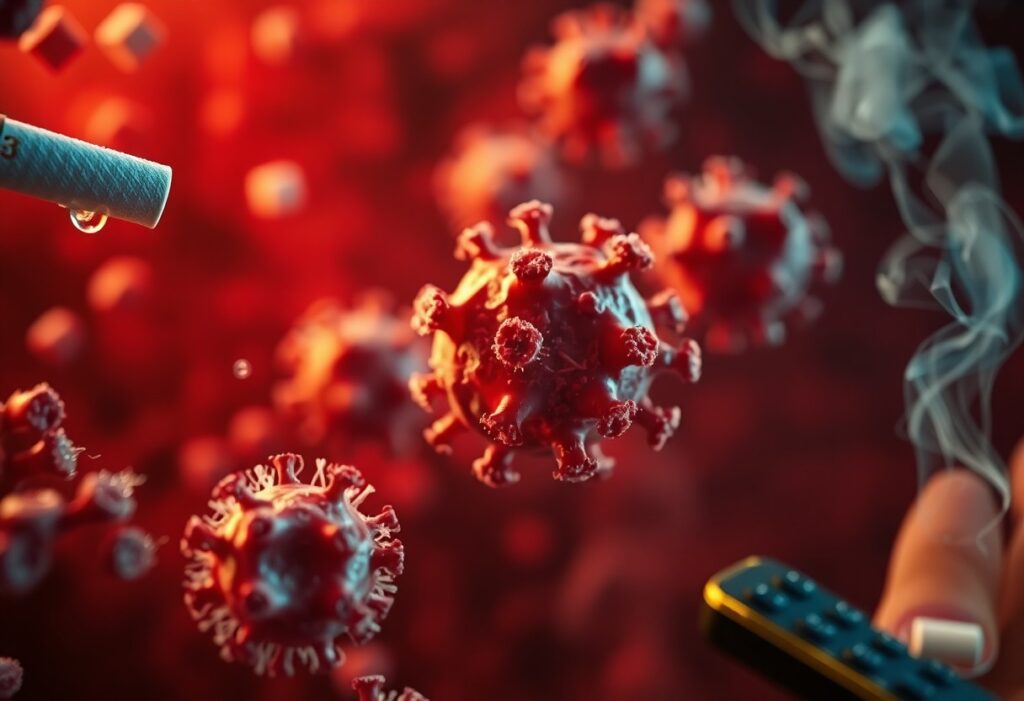

Recovery hinges on how effectively your immune cells respond; subtle lifestyle, environmental, and metabolic factors-chronic stress, poor sleep, nutrient gaps, toxin exposure, sedentary habits, microbiome imbalance, and unresolved inflammation-can blunt your cellular defense and slow your recovery. This post explains each hidden factor and gives actionable strategies to restore immune resilience and help you recover faster.
Key Takeaways:
- Chronic stress elevates cortisol, suppressing lymphocyte activity and hindering pathogen clearance.
- Poor sleep reduces natural killer and T-cell function, slowing infection resolution and vaccine responses.
- Deficiencies in vitamin D, C, zinc and iron impair innate and adaptive immune cell responses.
- Gut microbiome imbalance disrupts mucosal immunity and reduces production of immune-modulating metabolites.
- Obesity and sedentary lifestyle drive chronic inflammation that exhausts immune cells and delays healing.
- Environmental pollutants and smoking cause oxidative damage to immune cells and impair signaling.
- Frequent antibiotics, NSAIDs or long-term corticosteroids alter immune function or microbiota, slowing recovery.
The Role of Immune Cells in Defense
You rely on innate cells like neutrophils, which arrive within minutes and make up 50-70% of circulating leukocytes, to contain acute infection, while adaptive T and B cells take 3-7 days to mount specific, high-affinity responses; cytokines such as IL-6 and TNF-α drive systemic changes like fever and leukocyte mobilization, and recovery depends on timely pathogen clearance, antigen presentation, and controlled inflammation.
Types of Immune Cells
Neutrophils, macrophages, dendritic cells, B and T lymphocytes, and NK cells each execute distinct tasks: neutrophils phagocytose bacteria, macrophages clear debris and present antigen, dendritic cells prime naive T cells, B cells secrete antibodies, and NK cells eliminate virally infected cells. You can observe neutrophils dominating acute blood responses while lymphocyte clonal expansion shapes lasting immunity. After innate containment, adaptive responses refine targeting to eliminate residual pathogens.
- Neutrophils – rapid phagocytosis; first responders (50-70% of WBCs)
- Macrophages – tissue cleanup, MHC-II antigen presentation
- Dendritic cells – migrate to lymph nodes to activate naive T cells
- B cells & T cells – antibody production and antigen-specific cytotoxic/helper functions
- NK cells & granulocytes – innate cytotoxicity and parasite/allergy responses
| Neutrophils | Phagocytosis, NETs, rapid bacterial clearance (arrive in minutes) |
| Macrophages | Tissue-resident cleanup, M1/M2 polarization, antigen presentation on MHC-II |
| Dendritic Cells | Antigen uptake, migration to lymph nodes, T-cell priming |
| Lymphocytes (B/T) | B cells produce antibodies; CD4 help, CD8 kill via perforin/granzymes |
| NK Cells & Granulocytes | Innate cytotoxicity (missing-self recognition) and parasite/allergic defense |
Mechanisms of Action
Phagocytosis, complement-mediated opsonization and lysis, antigen presentation on MHC I/II, and cytotoxic killing via perforin and granzymes are core mechanisms; chemokines such as CXCL8 recruit neutrophils while IL-2 and IFN-γ expand and activate T cells, and you benefit when these actions are appropriately timed to clear pathogens without excessive collateral damage.
Recognition begins with pattern receptors or opsonins binding microbes, triggering engulfment and phagosome-lysosome fusion where reactive oxygen species and proteases kill pathogens; the complement cascade (classical, lectin, alternative) amplifies opsonization and forms MACs to lyse bacteria. Antigen-presenting cells load peptides onto MHC-II for CD4 activation or MHC-I for CD8 cross-presentation; CD8 T cells deploy perforin pores and granzymes to induce apoptosis, while NK cells sense “missing self” via KIRs to kill cells lacking MHC-I. Macrophage M1/M2 polarization then shifts tissue responses toward inflammation or repair – deficits in any step (e.g., NADPH oxidase defects in chronic granulomatous disease) produce recurrent infections and delayed recovery.
Hidden Factors That Weaken Immune Response
Several often-overlooked issues blunt cellular defense and prolong recovery: micronutrient gaps, chronic stress, poor sleep, environmental toxins, microbiome disruption, sedentary habits and low-grade inflammation. You can have normal cell counts yet markedly reduced function-neutrophil chemotaxis and T‑cell signaling both suffer. Perceiving which of these applies to your life lets you target corrections effectively.
- Micronutrient deficiencies (vitamin D, zinc, vitamin C)
- Chronic stress and cortisol dysregulation
- Poor sleep quality or short sleep duration
- Environmental toxins and air pollution
- Microbiome imbalance from antibiotics or diet
- Sedentary behavior or overtraining
- Chronic low‑grade inflammation (obesity, metabolic syndrome)
Nutritional Deficiencies
If your 25(OH)D is under 20 ng/mL, you face higher rates of respiratory infections; zinc shortages blunt neutrophil respiratory burst and T‑cell proliferation, while low vitamin C reduces leukocyte function. You may not see dramatic symptoms until a challenge (infection or wound) reveals impaired responses, so screen common micronutrients and correct deficits to restore cellular defenses.
Chronic Stress and Its Impact
When stress becomes chronic your HPA axis raises baseline cortisol, which suppresses lymphocyte proliferation and reduces natural killer cell cytotoxicity; studies of chronically stressed groups report 20-40% lower antibody responses to vaccines and slower wound healing, showing functional immune downregulation even with normal cell counts.
Mechanistically, repeated sympathetic and HPA activation shifts cytokine balance toward inflammation (elevated IL‑6, CRP) while impairing adaptive responses, accelerating telomere attrition in immune cells. You can reverse some effects: structured CBT, mindfulness, and regular moderate exercise have improved NK activity and antibody responses in randomized trials, so prioritize stress reduction as part of immune recovery.
Sleep Quality and Immune Function
Sleeping less than seven hours dramatically raises your susceptibility in viral challenge studies-nearly a threefold increase-and short or fragmented sleep reduces NK cell activity and vaccine efficacy, so sleep debt directly diminishes frontline cellular defenses and memory formation.
During slow‑wave sleep your body boosts growth hormone and downregulates sympathetic tone, promoting T‑cell trafficking and cytokine balance; extending sleep around vaccination has produced higher antibody titers in trials, so schedule consistent sleep (7-9 hours) and address apnea or fragmentation to optimize immune recovery.
Environmental Toxins
Chronic exposure to PM2.5, heavy metals (lead, cadmium) and persistent organic pollutants correlates with higher respiratory infection rates and impaired immune cell function; long‑term urban air pollution is linked to increased pneumonia hospitalizations, indicating toxins degrade both barrier and cellular defenses.
Toxins provoke oxidative stress, skew macrophage polarization, and perturb T‑cell signaling, while bioaccumulative agents blunt vaccine responses. You can reduce risk by improving indoor air (HEPA filtration), avoiding high‑exposure foods, and testing/remediating lead in older housing to lower your toxin burden and support immune cell recovery.
The Role of Inflammation in Recovery
Acute inflammation mobilizes neutrophils within minutes, peaks at 48-72 hours, and hands over to macrophage-led cleanup by days 3-7; if cytokines like IL-1 and TNF-α remain elevated, your tissue shifts toward catabolism, slowing collagen deposition and increasing infection risk. Clinical markers-hs-CRP >3 mg/L or rising ESR-predict prolonged recovery and higher complication rates after surgery.
Chronic Inflammation and Healing
When inflammation persists for months, M1 macrophage dominance and sustained IL-6/TNF signaling impair angiogenesis and fibroblast activity; in diabetes (HbA1c >7%) wound closure times often double, and smokers face roughly 30-40% higher surgical site infection rates, demonstrating how systemic low-grade inflammation undermines tissue repair.
Balance Between Inflammation and Repair
You need a timely switch from pro-inflammatory mediators to pro-resolving signals-lipoxins, resolvins and protectins-to trigger angiogenesis and matrix remodeling; failure to transition within 5-7 days frequently leads to fibrosis, non-healing ulcers, or chronic pain syndromes, especially in older adults with impaired SPM production.
You can influence that switch: increasing EPA/DHA intake (1-3 g/day) raises substrates for resolvins and, in small trials, shortens inflammatory duration; prolonged NSAID or opioid use post-injury has been linked in cohorts to delayed bone and soft-tissue healing. Keeping premeal glucose below ~140 mg/dL, avoiding long-term corticosteroid exposure, quitting smoking and using graded rehabilitation all promote macrophage phenotype switching and reduce fibrotic outcomes in high-risk groups like diabetics and the elderly.
The Importance of Gut Health
You rely on your gut because it contains roughly 70% of your immune cells and about 100 trillion microbes that shape systemic inflammation and pathogen defense. Changes in microbial diversity predict slower recovery-reduced diversity correlates with higher respiratory infection risk in older adults. Antibiotic courses can cut diversity for months, and dysbiosis increases intestinal permeability, allowing bacterial products to trigger chronic immune activation and delay tissue repair.
Gut Microbiome and Immune Interaction
Your microbiome trains and tunes immune cells: short-chain fatty acids (acetate, propionate, butyrate) produced from fiber feed colonocytes and induce regulatory T cells, lowering inflammatory cytokines. In germ-free mice, underdeveloped Peyer’s patches and low IgA illustrate how microbial signals shape immunity. Specific taxa-segmented filamentous bacteria driving Th17, and Bifidobacterium supporting barrier integrity-alter vaccine responses and infection clearance when their balance shifts.
Dietary Influences on Gut Health
Diet shapes your microbiome rapidly: consuming 25-38 g of fiber daily (≈25 g for women, 38 g for men) boosts SCFA-producing bacteria, while a high-fat, high-sugar Western pattern can lower diversity within days. Fermented foods and probiotic strains like Lactobacillus or Bifidobacterium strengthen your barrier and reduce inflammatory markers. Clinical trials report Mediterranean-style diets increase SCFA producers and lower CRP in about four weeks.
Targeting prebiotics and specific fibers amplifies benefits: 5-10 g/day of inulin-type fructans reliably raises Bifidobacterium counts, while 15-30 g/day of resistant starch increases butyrate production and improves postprandial glucose. You should favor beans, oats, onions, garlic and cooled cooked potatoes as practical sources, and cut processed meats and emulsified fats that promote gram-negative blooms and metabolic endotoxemia linked to slower recovery.
Strategies to Enhance Immune Function
Lifestyle Modifications
Prioritize sleep by aiming for 7-9 hours nightly since sleep loss reduces T-cell responsiveness. Combine 150 minutes/week of moderate aerobic activity with two resistance sessions and one HIIT session weekly to boost NK-cell activity and vaccine response. Use 20-minute daily mindfulness or breathing practices to lower cortisol, limit alcohol to ≤7 drinks/week to protect neutrophil function, maintain a BMI of 18.5-24.9, and follow a Mediterranean-style diet with 5+ vegetable servings daily.
Supplements and Nutraceuticals
Targeted supplements can fill gaps: if your 25(OH)D is low, 1,000-4,000 IU vitamin D3 daily often corrects insufficiency; vitamin C 500-1,000 mg/day has been shown to shorten some URIs; zinc 15-30 mg/day at onset may reduce cold duration; choose probiotics with documented strains (L. rhamnosus GG, B. lactis) and consider omega-3s (1-2 g EPA+DHA) to modulate inflammation.
Evidence shows dosage and timing matter: take zinc within 24 hours of symptom onset (limit to ≤40 mg/day short-term to avoid copper depletion), keep vitamin D guided by your 25(OH)D level, and use probiotics at ≥1 billion CFU/day of validated strains. Avoid chronic high-dose supplementation; note omega-3s above 3 g/day can increase bleeding risk. Discuss specific regimens with your clinician if you take medications or have chronic conditions.
Summing up
Ultimately, you need to recognize how seven hidden factors – poor sleep, chronic stress, nutrient gaps, sedentary behavior, environmental toxins, persistent inflammation, and unmanaged infections – blunt immune-cell function and slow recovery. By assessing and correcting these areas, optimizing sleep, diet, movement, toxin exposure, and targeted medical care, you restore your cellular defenses, shorten recovery times, and strengthen your resilience against future insults.
FAQ
Q: How does chronic sleep deprivation weaken immune cells and slow recovery?
A: Sleep loss reduces production and function of natural killer (NK) cells and impairs T-cell proliferation and signaling, lowers interferon and interleukin responses, and increases pro-inflammatory cytokines. These changes hinder pathogen clearance, impair formation of immune memory, and slow tissue repair and wound healing, making recovery from infections and injuries longer.
Q: In what ways does prolonged psychological stress impair cellular immune defenses?
A: Chronic stress raises glucocorticoid and catecholamine levels that suppress lymphocyte activity, reduce NK cell cytotoxicity, and shift immune balance toward sustained inflammation and impaired antiviral responses. Over time this leads to immune cell exhaustion, reduced vaccine responsiveness, and slower resolution of infections and tissue damage.
Q: How do micronutrient deficiencies undermine immune cell function?
A: Deficiencies in vitamin D, vitamin C, zinc, iron, and selenium disrupt neutrophil chemotaxis and phagocytosis, impair lymphocyte proliferation and antibody production, and weaken antioxidant defenses against oxidative stress. The result is reduced pathogen killing, dysregulated cytokine signaling, and delayed recovery from illness.
Q: Why does chronic low-grade inflammation blunt effective cellular immunity and healing?
A: Persistent inflammatory signaling drives immune cell dysregulation, promotes senescence and myeloid-biased hematopoiesis, and exhausts reparative pathways. This creates a background of tissue damage and impaired resolution that reduces the effectiveness of acute immune responses and prolongs recovery periods.
Q: How does an imbalanced gut microbiome affect immune cell defenses?
A: Dysbiosis alters antigen presentation, decreases production of short-chain fatty acids that regulate regulatory T cells, and weakens mucosal barrier integrity, increasing systemic exposure to microbial products. These shifts impair dendritic cell education and IgA responses, promote inflammation, and slow recovery from infections and gut-related injuries.
Q: What impact do environmental toxins and pollutants have on cellular immunity?
A: Exposure to heavy metals, air pollutants, and endocrine-disrupting chemicals induces oxidative stress, alters cytokine networks, and impairs phagocytosis and antigen presentation. Such exposures reduce vaccine efficacy, decrease immune surveillance, and delay tissue repair by disrupting cellular signaling and increasing inflammatory burden.
Q: How does sedentary behavior and lack of exercise reduce immune cell competence and recovery speed?
A: Physical inactivity lowers circulation-dependent trafficking of immune cells, reduces exercise-induced mobilization of NK cells and T cells, and promotes adiposity-driven inflammation with impaired leukocyte function. Regular moderate activity enhances immune surveillance, reduces baseline inflammation, and accelerates recovery, whereas sedentariness slows those processes.