
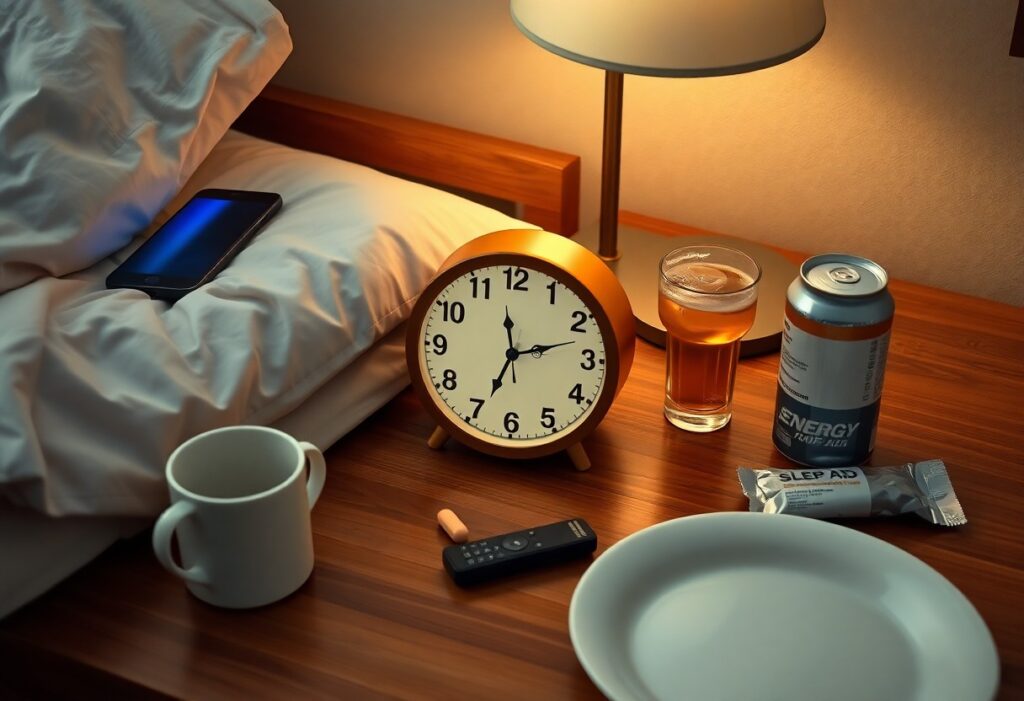

Timing dictates how your cortisol, melatonin, insulin and sex hormones cycle each day; this post exposes seven shocking mistakes-sleep drift, late-night light and screens, irregular meals, poorly timed exercise, misaligned medication, unmanaged stress, and caffeine misuse-that disrupt your daily hormone rhythm and explains clear, practical adjustments you can make to restore energy, mood and metabolic balance.
Key Takeaways:
- Skipping a protein-rich breakfast flattens insulin and appetite signals, worsening blood sugar and energy regulation throughout the day.
- Irregular sleep schedules and insufficient sleep shift cortisol and melatonin timing, impairing alertness, metabolism, and recovery.
- Late-night eating delays metabolic hormone cycles, increasing risk of weight gain and poorer glucose control.
- Consuming caffeine or stimulants late in the day prolongs elevated cortisol and suppresses nighttime melatonin release.
- Poor light exposure – too little bright light in the morning and excessive blue light at night – disrupts the circadian clock that times hormone release.
- Inconsistent or poorly timed exercise (especially intense late-night workouts) can spike cortisol at the wrong time and interfere with sleep and anabolic hormones.
- Chronic stress and inadequate recovery blunt HPA axis responsiveness, leading to fatigue, mood disturbances, and disrupted metabolic hormones.
Understanding Hormonal Rhythms
The Basics of Hormonal Timing
Your master clock, the suprachiasmatic nucleus, times hormone pulses so you wake, digest and repair efficiently: cortisol typically peaks around 7-9 AM to boost alertness, melatonin begins rising ~2 hours before your habitual bedtime, insulin spikes 30-60 minutes after meals, and growth hormone pulses during slow-wave sleep to support tissue repair. When you shift sleep, light exposure or meal times, these predictable peaks shift too, altering how you feel and perform.
The Importance of a Balanced Hormonal Rhythm
Disrupting that rhythm quickly affects metabolism and mood: even one night of restricted sleep can reduce insulin sensitivity by roughly 20-25%, increasing postprandial glucose; chronic misalignment is associated with higher rates of weight gain, impaired cognition and increased cardiovascular risk. If you work nights or constantly change sleep timing, these physiological changes compound, making weight control and energy regulation harder.
Mechanistically, mis-timed sleep and eating raise evening cortisol, blunt daytime testosterone and alter appetite hormones-leptin falls while ghrelin rises-so you crave carbs and consume more calories. Practical examples include night-eating patterns that worsen glycemic responses and time-restricted eating trials showing improved glucose when food is limited to daytime hours; aligning light, sleep and meals helps restore these hormone patterns.
Mistake #1: Skipping Meals
How missing meals derails your hormones
You trigger cascading hormone responses when you skip meals: within 3-6 hours ghrelin rises, cortisol and adrenaline increase to maintain blood glucose, and insulin response becomes exaggerated at the next meal; studies show people who skip breakfast often consume 20-40% more calories later, which spikes insulin and lipids and promotes fat storage. To stabilize appetite and protect metabolic rhythm, aim for balanced meals every 3-4 hours with protein and fiber to blunt ghrelin surges and prevent cortisol-driven cravings.
Mistake #2: Poor Sleep Hygiene
Sleep timing and light exposure
When you regularly get under 7-9 hours or shift your bedtime by more than 30 minutes, your cortisol rhythm and melatonin onset get thrown off. Dim lights and avoid screens 1-2 hours before bed, since evening blue light can delay melatonin by up to 90 minutes. Keeping a dark, cool room and a consistent wake time within 30 minutes restores overnight growth hormone peaks and insulin sensitivity; by contrast, rotating shift work raises metabolic risk by roughly 30-50% in many studies.
Mistake #3: Inconsistent Workout Routines
Irregular training blunts hormone benefits
When you alternate weeks of daily HIIT with long sedentary stretches, your cortisol rhythm and insulin sensitivity suffer; HIIT and resistance training improve insulin sensitivity for 24-48 hours and trigger testosterone and growth hormone surges that peak within 15-60 minutes post-exercise. Aim for 3-5 moderate-to-vigorous sessions per week and keep session timing consistent-morning resistance or afternoon cardio-to preserve diurnal hormone patterns and recovery.
Mistake #4: Ignoring Stress Levels
How chronic stress derails cortisol timing
When you let chronic stress persist, your cortisol rhythm flattens-normally cortisol rises about 50% within 30 minutes of waking and should fall by evening; persistent activation keeps evening levels elevated, impairing sleep and insulin sensitivity. For example, shift workers with ongoing stress show delayed cortisol decline and poorer glucose control. You can track stress via HRV or simple morning and evening symptom logs, and even 10 minutes of paced breathing or a brief walk can lower heart rate and shift your diurnal curve toward normal.
Mistake #5: Neglecting Nutritional Needs
Micros and macros that maintain your rhythm
When you underfuel or favor refined carbs, your insulin and leptin rhythms destabilize: aim for 20-30 g protein at breakfast and 25-30 g fiber daily to blunt glucose spikes and reduce afternoon cortisol; for example, swapping a 45 g bagel for 170 g Greek yogurt with berries stabilizes blood sugar within 1-2 hours, and correcting low magnesium or vitamin D helps normalize nocturnal cortisol.
To wrap up
Considering all points, you can restore your hormone rhythm by correcting timing errors, prioritizing consistent sleep-wake cycles, timed nutrient intake, morning light exposure, appropriately scheduled exercise, stress management, and proper medication/supplement timing. Small, deliberate timing changes yield measurable improvements in energy, mood, metabolism, and sleep. Stay consistent, track patterns, and adjust with your healthcare provider to optimize your daily hormonal balance.
FAQ
Q: What is hormonal timing and why does an irregular sleep schedule disrupt my daily hormone rhythm?
A: Hormonal timing refers to the predictable daily cycles of hormones like cortisol, melatonin, insulin and growth hormone. An irregular sleep schedule shifts the signals your brain sends to the endocrine system, causing cortisol to spike at the wrong times, melatonin release to be delayed, and metabolic hormones to misalign with food intake. Consistently going to bed and waking at different times weakens these signals, leading to poor sleep quality, daytime fatigue, appetite dysregulation and impaired glucose control. Stabilize sleep and wake times within a 30-60 minute window and use morning light exposure to reinforce the circadian signal.
Q: How does erratic meal timing or skipping breakfast throw off hormone balance?
A: Timing of meals acts as a secondary clock for metabolic hormones like insulin, ghrelin and leptin. Skipping breakfast or eating at unpredictable times forces insulin and hunger hormones to surge and fall unpredictably, which can increase appetite, impair glucose tolerance and promote fat storage. Consistent meal windows-especially a protein-rich breakfast within an hour of waking and regular meals every 3-5 hours-help align metabolic hormones with energy needs and improve blood sugar stability.
Q: Why does exposure to light at night interfere with my hormones?
A: Light-particularly blue light-suppresses melatonin production and signals the brain that it’s daytime, shifting the timing of sleep onset and downstream hormonal rhythms. Evening light exposure from screens or bright indoor lighting delays melatonin, shortens deep sleep and raises nighttime cortisol, disrupting repair processes and appetite regulation. Dim lights after sunset, use blue-light filters, and aim for bright natural light within 30-60 minutes of waking to reinforce the correct hormonal schedule.
Q: Can late or excessive caffeine intake mess with my hormonal rhythm?
A: Caffeine blocks adenosine and stimulates the nervous system, which can raise cortisol and shift sleep timing if consumed too late. Sensitivity varies, but caffeine consumed in the afternoon or evening can delay sleep onset, reduce slow-wave sleep and blunt overnight growth hormone release. Set a personalized caffeine cutoff-commonly 6-8 hours before bedtime-and monitor intake from coffee, tea, chocolate and some medications to protect nighttime hormonal recovery.
Q: How does chronic stress or constant high cortisol disrupt daily hormone patterns?
A: Persistent psychological or physiological stress keeps cortisol elevated outside its normal morning peak, impairing feedback loops that regulate thyroid function, sex hormones and metabolic control. Chronic high cortisol can reduce sleep quality, increase visceral fat, lower libido and impair immune function. Integrate stress-reduction practices (short breathing breaks, scheduled downtime, brief walks, mindfulness) and ensure sufficient sleep and nutrition to allow cortisol to follow its normal diurnal pattern.
Q: Does the timing of exercise affect my hormones, and can exercising at the wrong time cause problems?
A: Exercise timing influences cortisol, testosterone, insulin sensitivity and metabolic rate. Morning or early-afternoon workouts can boost daytime alertness, improve insulin sensitivity and align with natural cortisol rise; very late, intense workouts can elevate cortisol and delay melatonin onset in some people. Match workout intensity to time of day-higher intensity earlier, lighter activity in the evening-and test what timing supports your sleep and recovery.
Q: How do alcohol, medications and supplements impact hormonal timing and what should I adjust?
A: Alcohol disrupts REM sleep and can blunt nocturnal growth hormone and melatonin peaks; taking it close to bedtime shifts recovery and metabolic hormones. Some medications and supplements have time-dependent effects-e.g., steroids, thyroid meds, hormonal contraceptives and melatonin-so taking them at suboptimal times can misalign rhythms. Consult your clinician about optimal timing, avoid alcohol within 3-4 hours of bedtime, and follow evidence-based timing for any hormone-related medication or supplement to preserve daily hormonal patterns.