
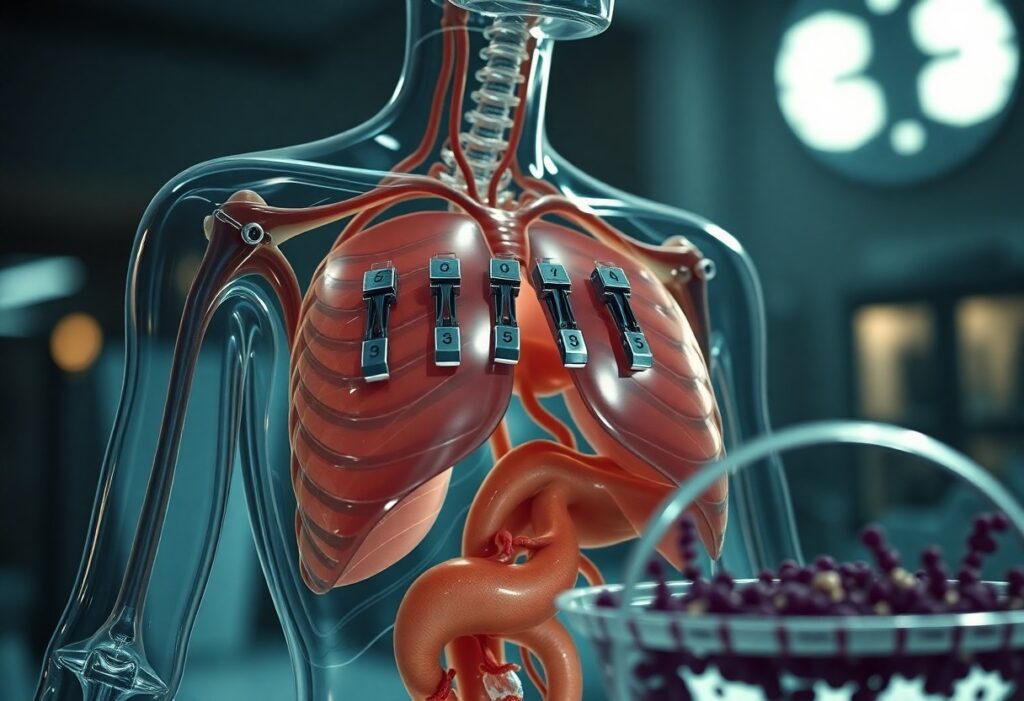

With chronic stress, your body shifts into survival mode, disrupting hormone balance and hindering cellular repair mechanisms; this overview shows how prolonged cortisol and inflammatory signaling impair sleep, digestion, reproductive function, immune resilience, metabolic regulation, tissue regeneration, and cellular detoxification, leaving you more vulnerable to illness and slowed recovery. You will learn the seven mechanisms that connect persistent stress to hormonal dysfunction and compromised cellular maintenance so you can identify and address them early.
Key Takeaways:
- Chronic HPA-axis activation raises cortisol and desensitizes hormone receptors, disrupting endocrine signaling.
- Persistent high cortisol suppresses sex hormones (estrogen, progesterone, testosterone), impairing reproductive function and libido.
- Stress reduces thyroid output and conversion to active T3, slowing metabolism and cellular energy delivery.
- Elevated cortisol and catecholamines promote insulin resistance and metabolic dysregulation, hindering nutrient-driven repair.
- Ongoing inflammation and oxidative stress increase cytokines and free radicals that damage DNA, proteins, and shorten telomeres.
- Sleep disruption from stress blunts melatonin and growth hormone pulses, preventing nocturnal cellular regeneration and repair.
- Chronic stress skews immune responses, delays wound healing, and raises infection and chronic disease risk.
Understanding Chronic Stress
Your body shifts from adaptive responses to a sustained state when stressors persist for weeks or months, keeping the HPA axis and sympathetic systems activated; that persistent signaling elevates cortisol and catecholamines, blunts diurnal rhythms, increases inflammatory cytokines, and reduces the efficiency of cellular repair mechanisms, so you accumulate allostatic load that drives hormonal resistance and tissue damage over time.
Definition of Chronic Stress
Chronic stress occurs when exposure to psychosocial or physiological stressors is ongoing rather than transient, producing measurable changes such as a flattened diurnal cortisol slope, elevated evening cortisol, higher baseline IL‑6/CRP, and sympathetic overdrive; you experience sustained hormonal signaling instead of the normal pulsatile, recoverable pattern that permits repair and hormonal receptor resetting.
Impact on Overall Health
Over time you face higher risk of cardiometabolic disease, insulin resistance, hypertension, suppressed immunity, impaired wound healing, reduced sex hormone production, and altered neuroplasticity; these effects combine to slow cellular repair, dysregulate endocrine axes (HPA, HPG, thyroid), and worsen outcomes in chronic conditions like diabetes and heart disease.
For example, caregiver studies and psychoneuroimmunology research document concrete effects: Epel et al. (2004) linked chronic caregiving stress to shorter telomeres consistent with accelerated cellular aging, Cohen et al. found dose‑dependent increases in susceptibility to upper respiratory infections with stress, and Kiecolt‑Glaser’s work shows slower wound healing and reduced antibody responses to vaccines in chronically stressed individuals.
Hormones Affected by Chronic Stress
Chronic stress skews multiple endocrine axes, so you see altered cortisol rhythms, elevated catecholamines, disrupted insulin sensitivity, suppressed thyroid output, and lower sex steroids like testosterone and estrogen. For example, the cortisol awakening response normally rises about 50% within 30-45 minutes after waking; chronic stress flattens that curve, which correlates with higher inflammation, impaired glucose tolerance, and slowed cellular repair.
Cortisol
Cortisol regulates metabolism, immune function, and the sleep-wake cycle, and when you have sustained elevation it desensitizes glucocorticoid receptors, promotes muscle protein breakdown, and shifts energy into visceral fat. Mechanistically, cortisol increases hepatic gluconeogenesis and antagonizes insulin, raising fasting glucose and contributing to metabolic syndrome while also suppressing inflammatory resolution needed for tissue repair.
Adrenaline
Adrenaline (epinephrine) drives acute cardiovascular and metabolic responses-raising heart rate, blood pressure, and mobilizing glucose-and its plasma half-life is only about 2 minutes, yet repeated surges create persistent sympathetic tone. When you experience frequent adrenaline spikes, you increase cardiac workload and vascular shear stress, which over time raises risk for hypertension and arrhythmias and impairs restorative sleep.
With chronic sympathetic activation you develop beta-adrenergic receptor desensitization and reduced heart rate variability (HRV), a strong predictor of cardiovascular risk. For you, that means higher resting heart rate, poorer stress recovery, increased oxidative stress on blood vessels, and worsened insulin resistance-effects that compound with age and amplify risks for cardiometabolic disease.
Cellular Repair Mechanisms
Your cells depend on DNA repair, proteostasis, autophagy and mitochondrial turnover to fix daily damage and preserve function; skin renews roughly every 28 days, gut epithelium in 3-5 days, and red blood cells last about 120 days. Efficient repair prevents mutations, maintains energy production and supports hormone signaling by keeping receptors and enzymes intact.
Importance of Cellular Repair
Repair pathways like base excision repair (BER), nucleotide excision repair (NER) and mismatch repair (MMR) correct an estimated 10,000-100,000 DNA lesions per cell each day. You rely on these systems plus proteasomal clearance to prevent protein aggregation, maintain stem cell pools and ensure endocrine tissues continue producing hormones at proper rates.
How Stress Disrupts Repair Processes
Chronic stress elevates glucocorticoids and inflammatory cytokines, increasing reactive oxygen species and blunting repair enzyme activity; studies show sustained stress is associated with reduced telomerase activity and shorter telomeres, in some cases equivalent to roughly a decade of accelerated aging. Your repair capacity then declines, raising mutation risk and promoting tissue dysfunction.
Glucocorticoid signaling can suppress expression of key repair proteins and impair autophagy, while sympathetic activation drives norepinephrine-mediated ROS that damage mitochondrial DNA-which accumulates mutations roughly 10-20× faster than nuclear DNA. As mitochondria lose efficiency, ATP falls and oxidative damage amplifies, creating a feed‑forward loop that further inhibits hormone synthesis and cellular renewal.
Consequences of Hormonal Imbalances
When stress-driven endocrine disruption takes hold, you see cascading effects: cortisol dominance suppresses sex hormones and DHEA, impairs T4→T3 conversion, and shifts metabolism toward insulin resistance and visceral fat accumulation; as a result, metabolic syndrome-present in roughly 30-35% of adults-becomes more likely, wound healing slows, and immune responsiveness falters, setting the stage for multi-system pathology rather than isolated symptoms.
Physical Health Risks
Physically, you face higher blood pressure, increased atherogenic lipid profiles, and greater risk of type 2 diabetes and osteoporosis from prolonged cortisol and altered sex-steroid balance; for example, visceral adiposity driven by cortisol raises LDL and lowers HDL, while chronic inflammation and immune suppression elevate infection and chronic-disease burdens over months to years.
Mental Health Implications
Mental health suffers as well: you often experience chronic anxiety, depressed mood, impaired concentration, and memory problems because sustained cortisol and reduced BDNF impair hippocampal and prefrontal function; numerous studies link HPA-axis hyperactivity to major depressive disorder and anxiety-spectrum conditions, with measurable cognitive decline on verbal memory and executive tests.
Delving deeper, you can develop sleep fragmentation, slowed processing speed, and diminished working memory-clinical imaging shows hippocampal volume reductions of up to ~10% in severe, prolonged cases-while persistent inflammation and neurotransmitter shifts (serotonin, norepinephrine) perpetuate maladaptive circuits; targeted interventions that lower cortisol and restore sleep often produce measurable cognitive and mood recovery.
Strategies to Mitigate Chronic Stress
You can blunt the endocrine cascade by targeting daily habits and training your stress response; practical wins include 150 minutes of moderate exercise weekly, 7-9 hours of sleep, reducing evening blue-light exposure, and stabilizing blood sugar with protein at breakfast and fiber-rich meals to prevent cortisol spikes.
Lifestyle Modifications
Prioritize consistent sleep timing, aim for 150 minutes of moderate aerobic activity plus two strength sessions per week, limit alcohol to moderate amounts (≤1 drink/day women, ≤2 men), keep caffeine out of the late afternoon, and add omega‑3s and magnesium-rich foods; small, sustained changes like a 20‑minute walk after meals lower cortisol and improve insulin sensitivity.
Stress Management Techniques
Use evidence-based practices: daily mindfulness or meditation for 10-20 minutes, diaphragmatic paced breathing (≈6 breaths/min or the 4‑7‑8 method) for 5-10 minutes to raise HRV, progressive muscle relaxation for 10-15 minutes, and brief CBT techniques to reframe automatic thoughts that fuel chronic stress.
For a practical protocol, try 10 minutes of guided mindfulness each morning and a 10‑minute paced‑breathing session midday, add 15 minutes of PMR before bed, and consider 6-12 CBT sessions or 8-12 HRV biofeedback trainings if stress reactivity remains high; devices and apps (HeartMath, Muse, guided meditation apps) can track progress and make adherence measurable.
To wrap up
So you need to tackle chronic stress because it derails your hormonal network – elevating cortisol, reducing thyroid and sex hormones, impairing insulin sensitivity, disrupting sleep hormones and growth factors, promoting inflammation, and blocking cellular repair and autophagy, all of which accelerate dysfunction and aging unless you intervene.
FAQ
Q: How does chronic stress and HPA-axis overactivation block hormone signaling and cellular repair?
A: Chronic stress drives persistent activation of the hypothalamic-pituitary-adrenal (HPA) axis, raising baseline cortisol and flattening its diurnal rhythm. Elevated cortisol downregulates glucocorticoid receptors, desensitizes downstream signaling, impairs negative feedback, and alters transcription of genes that coordinate repair (DNA repair enzymes, autophagy regulators). The net effect is reduced capacity for cells to respond to hormonal repair signals and to execute normal restoration programs after damage.
Q: In what ways does chronic stress-induced cortisol promote insulin resistance and metabolic damage?
A: Sustained cortisol increases gluconeogenesis, lipolysis and visceral fat deposition while inhibiting insulin signaling pathways (IRS phosphorylation, GLUT4 translocation). Cortisol-driven increases in free fatty acids and inflammatory cytokines further impair insulin receptor function, leading to hyperinsulinemia, higher glucose exposure, mitochondrial dysfunction and glycation – all of which hinder cellular repair processes.
Q: How does chronic stress suppress reproductive hormones and affect fertility and tissue maintenance?
A: Chronic stress suppresses hypothalamic GnRH pulses and reduces LH/FSH secretion, lowering ovarian and testicular production of estrogen, progesterone and testosterone. Elevated cortisol and prolactin can increase sex hormone-binding globulin (SHBG) or shift enzyme activity (aromatase, 5α‑reductase), decreasing bioavailable sex steroids. Lower sex hormones impair tissue repair, bone maintenance, muscle anabolism and reproductive function.
Q: How does ongoing stress interfere with thyroid function and cellular energy repair?
A: Stress and inflammation alter deiodinase activity, favoring conversion of T4 to inactive reverse T3 (rT3) and reducing T3 availability at tissues. Cytokines and cortisol can blunt TSH response and decrease thyroid hormone receptor sensitivity, lowering basal metabolic support for protein synthesis, mitochondrial turnover and repair pathways that depend on adequate thyroid signaling.
Q: How does chronic stress-driven inflammation impair cellular repair and hormone balance?
A: Stress increases proinflammatory mediators (IL‑6, TNF‑α, CRP) and activates NF‑κB, sustaining low-grade inflammation. Chronic inflammation disrupts insulin, thyroid and sex hormone signaling, promotes protease and ROS activity that damage extracellular matrix and DNA, and interferes with autophagy and stem cell function – all reducing effective repair and regenerative capacity.
Q: Why does stress-related sleep disruption block growth hormone/IGF-1-mediated repair?
A: Elevated evening cortisol and arousal fragment slow-wave sleep when growth hormone (GH) is normally secreted in pulses. Reduced GH/IGF‑1 signaling impairs protein synthesis, tissue regeneration, muscle repair and immune restoration. Sleep loss also increases inflammation and oxidative stress, compounding deficits in cellular maintenance and repair.
Q: How do oxidative stress, mitochondrial dysfunction and telomere shortening from chronic stress accelerate aging and limit repair?
A: Chronic stress elevates reactive oxygen species and impairs mitochondrial dynamics, increasing DNA and lipid damage. Oxidative damage and inflammatory signaling inhibit telomerase and accelerate telomere attrition, trigger epigenetic changes that silence repair genes, and reduce stem cell potency. These changes shorten cellular lifespan and blunt the ability to replace or repair damaged tissue.