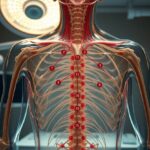

You need to grasp seven signaling events that trigger true tissue regeneration: injury sensing and controlled inflammation, resolution signals, stem/progenitor cell activation, growth factor gradients, metabolic reprogramming, extracellular matrix remodeling, and polarity/positional cues; understanding how these signals integrate lets you evaluate therapies, design experiments, and interpret regeneration outcomes with scientific precision.
Key Takeaways:
- Growth factors (EGF, FGF, PDGF, TGF-β) trigger local cell proliferation, migration and survival at injury sites.
- Immune-derived cytokines and macrophage signals (IL-6, TNF-α, IL-1) initiate debris clearance and transition inflammation toward regeneration.
- Bioelectric cues-membrane potential changes and ion fluxes (Ca2+, H+) set polarity and direct cell behavior and patterning.
- Transient reactive oxygen species (ROS) bursts act as signaling triggers that activate repair gene programs.
- Extracellular matrix remodeling and matricryptic signals (MMP activity, exposed ECM ligands) enable cell migration and integrin-mediated signaling.
- Developmental morphogens and pathways (Wnt/β-catenin, Notch, Hedgehog) activate stem/progenitor cells and guide tissue pattern formation.
- Mechanical and trophic inputs-tissue stiffness, stretch, angiogenic (VEGF) and nerve-derived signals-support vascularization, innervation and coordinated regrowth.
The Role of Cellular Signals in Repair
You rely on a tightly timed sequence of signals-early inflammatory chemokines, growth factor surges, and extracellular matrix (ECM) cues-to shift tissue from damage to rebuilding. Within 0-72 hours chemokines recruit neutrophils and macrophages; by days 3-7 growth factors like PDGF and VEGF drive fibroblast proliferation and angiogenesis. Dysregulation at any step skews outcomes toward scarring or chronic non-healing, so signal amplitude, timing, and spatial gradients determine whether regeneration proceeds or stalls.
Understanding Cellular Communication
You should think in terms of multiple communication modes: paracrine gradients deliver directional cues, autocrine loops sustain local activity, juxtacrine contacts (Notch, ephrin) control fate decisions, and gap junctions permit rapid ionic signaling. Extracellular vesicles and exosomes transfer microRNAs and proteins over millimeters, altering gene programs in recipient cells. In muscle, for example, Notch-mediated contact suppresses premature differentiation of satellite cells until proliferation is sufficient for repair.
Key Mechanisms of Cellular Signals
You can group core mechanisms into receptor classes and downstream cascades: receptor tyrosine kinases (VEGFR, FGFR) activate MAPK/ERK and PI3K/Akt for proliferation and survival; GPCRs modulate chemotaxis and inflammation; integrins sense ECM stiffness and link to focal adhesion kinase (FAK). Matrix metalloproteinases (MMPs) remodel ECM to expose cryptic binding sites, enabling cell migration and new vessel formation.
You should note how quantitative parameters shape outcomes: ligand concentration thresholds, receptor density, and gradient steepness set migration speed and proliferation rates. Clinically relevant examples include PDGF-BB (becaplermin) used for diabetic foot ulcers to enhance fibroblast recruitment within 48 hours, and TGF-β/SMAD signaling which, when prolonged, shifts healing toward fibrosis. In regenerative models like zebrafish, transient FGF and Nrg1 pulses re-activate cardiomyocyte proliferation, illustrating how pulse duration and context change tissue response.
Essential Signals for Cellular Regeneration
When tissue demands repair, seven signal classes must align: growth factors, stem cell cues, ECM remodeling, cytokine gradients, metabolic shifts, bioelectric fields, and mechanical stress-each with distinct timing (hours to weeks). For instance, VEGF rises within 24-48 hours to drive angiogenesis while TGF-β activity over days influences scarring, so you use temporal patterns to distinguish regenerative from fibrotic trajectories.
Growth Factors
You see growth factors such as EGF, PDGF, VEGF and FGF act as potent mitogens and chemoattractants; clinically, PDGF-BB at microgram-scale concentrations accelerates wound closure and VEGF promotes capillary sprouting within 48 hours in ischemia models.
- EGF – epithelial proliferation
- PDGF – fibroblast recruitment and matrix deposition
- VEGF – angiogenesis, capillary growth
- FGF – proliferation across lineages
- TGF-β – differentiation control and fibrosis modulation
Any imbalance or prolonged TGF-β signaling can shift healing toward scarring rather than functional regeneration.
Stem Cell Activation
You depend on resident stem cells to re-enter the cell cycle; satellite cells in skeletal muscle activate within 24 hours after injury, express Pax7/MyoD, and divide asymmetrically to both repair and replenish the niche under Notch/Wnt control.
In mice, transiently elevating Wnt3a (2-3×) or temporally inhibiting Notch for 48-72 hours expands progenitors and improves functional outcomes; you can monitor Pax7/MyoD kinetics to time growth-factor or small-molecule interventions precisely.
Extracellular Matrix Components
You need rapid ECM remodeling: fibrin and fibronectin form a provisional scaffold within minutes, collagen III predominates early and is gradually replaced by stiffer collagen I over weeks, altering cell migration and fate decisions.
Decellularized matrices enriched in laminin and fibronectin increase stem cell retention (>30% in some studies) and restore niche cues-so you must tune composition and crosslink density to promote integration and limit fibrosis.
Cytokines and Chemokines
You rely on chemokine gradients like CXCL12 and cytokines such as IL-6 to recruit immune and progenitor cells; neutrophils peak within hours, while macrophage phenotypic shifts from pro-inflammatory to reparative occur over 3-7 days and dictate downstream remodeling.
Blocking CCR2 in rodents reduces monocyte recruitment by ~60% and impairs regeneration, whereas delivering IL-4 between days 2-5 skews macrophages toward reparative states and improves tissue architecture-timing these signals is necessary for therapeutic modulation.
The Impact of Environmental Factors
Ambient factors-oxygen, nutrients, temperature, pH, and toxins-determine whether repair signals convert into effective regeneration; tissue oxygen typically runs 1-7% compared with 21% in air, and nutrient availability controls mTOR, sirtuins and epigenetic modifiers. Pollutants and microbiome metabolites further skew immune and progenitor responses, and temperature shifts alter enzyme kinetics and membrane fluidity. Recognizing how these external variables modulate intracellular signaling lets you tailor interventions like hypoxic preconditioning, nutrient modulation, or detoxification to favor repair.
- Oxygen tension: tissue 1-7% vs air 21%; HIF-1α activates VEGF and glycolysis below ~5% O2.
- Nutrients: leucine and branched-chain amino acids activate mTOR; NAD+ levels tune sirtuin activity and DNA repair.
- Toxins: cigarette smoke, heavy metals and PM2.5 increase ROS and suppress stem cell proliferation.
- Microbiome metabolites: butyrate and secondary bile acids shape macrophage polarization and local regeneration.
Influence of Oxygen Levels
Oxygen tension directly shapes cell fate: when your tissue drops below ~5% O2, HIF-1α stabilizes, upregulates VEGF and glycolytic enzymes, and promotes angiogenesis; mild hypoxia (2-5%) often enhances stem cell proliferation and survival, whereas severe hypoxia (<1%) drives necrosis, mitochondrial failure and impaired repair outcomes in muscle and skin models.
Role of Nutrients and Metabolites
Metabolic inputs set the stage for repair by modulating signaling and chromatin: you shift toward anabolic mTOR-driven growth with abundant amino acids and glucose, while NAD+, AMP/ATP ratios and AMPK/sirtuin activity push cells into catabolic, pro-autophagy states; acetyl-CoA and α-ketoglutarate directly influence histone acetylation and demethylation, altering lineage gene expression.
You can manipulate these pathways: boosting NAD+ with nicotinamide riboside restores aged muscle stem cell function in mouse studies, leucine supplementation acutely stimulates mTOR-dependent myogenesis, and short-term fasting or AMPK agonists enhance autophagy to clear damaged organelles in liver and muscle regeneration models, while targeted metabolites (acetate, α-KG) produce measurable epigenetic shifts that change progenitor proliferation and differentiation.
Pathways Involved in Regeneration
Conserved signaling cascades-Wnt, Notch, BMP, Hedgehog, and TGF-β-coordinate the spatial and temporal logic of repair, and you can see how gradient amplitude and timing convert a proliferative wave into differentiation. For example, after a two-thirds partial hepatectomy in mice, an IL-6 surge within 4-6 hours activates STAT3 and primes hepatocytes for synchronous cell-cycle entry; persistent TGF-β, by contrast, drives fibrotic remodeling instead of functional regeneration.
Wnt Signaling Pathway
Wnt signaling-especially the canonical Wnt/β-catenin branch-stabilizes β-catenin to activate proliferation programs; you depend on it for intestinal crypt maintenance where Lgr5+ stem cells require Wnt ligands. Loss of Wnt support collapses organoids within 48-72 hours, while aberrant activation is seen in ≈90% of colorectal cancers, illustrating why brief, spatially confined Wnt pulses, not continuous signaling, promote productive tissue renewal.
Notch Signaling Pathway
Notch signaling uses direct cell-cell contact-four receptors (Notch1-4) and ligands Delta-like/Jagged-to execute binary fate decisions; you see it enforce lateral inhibition and preserve stem cell pools. Activation requires proteolytic cleavage by γ-secretase to release the NICD, which translocates to the nucleus and remodels transcription. In skeletal muscle, Notch loss in satellite cells causes premature differentiation and markedly impairs regeneration in mouse injury models.
Dynamics and context determine Notch outcomes: short, spatially restricted Notch pulses maintain quiescence, while prolonged activation shifts cells toward supporting or fibrotic phenotypes. You should note cross-talk with Wnt and BMP-Notch can antagonize Wnt-driven differentiation in neural and intestinal settings. Pharmacologically, γ-secretase inhibitors abolish NICD production within hours but induce intestinal goblet-cell metaplasia in rodents, whereas ligand-specific antibodies (e.g., anti-DLL4) modulate angiogenesis and are being explored to tune repair without global Notch blockade.
Challenges in Cellular Repair
You encounter barriers that stop repair signals from becoming regeneration: depleted stem cell pools, chronic inflammation, fibrosis, metabolic dysfunction, and persistent infection. Heterochronic parabiosis (Conboy et al.) restored aged mouse muscle by exposing old tissues to young blood, showing systemic inhibitors accumulate with age. Clinically, diabetes gives about a 15% lifetime risk of foot ulcers, illustrating how systemic disease can block local repair and convert potential regeneration into chronic wounds or scar.
Aging and Regeneration
As you age, stem cell reservoirs shrink and senescent cells accumulate, shifting the secretome (SASP) and suppressing progenitor activity. NAD+ and mitochondrial function decline-by up to ~50% in some tissues-reducing cellular proliferation. Interventions like heterochronic plasma factors or senolytics (dasatinib+quercetin) restored muscle and lung repair in mice and showed signals in small human pilots, but you still face unresolved questions on dose, timing, and long-term safety.
Disease Implications
Disease states rewire repair pathways so your signals underperform or misfire. In diabetes, impaired angiogenesis and glycation slow wound closure-the lifetime foot ulcer risk is ~15%. After myocardial infarction, human cardiomyocyte renewal is <1% per year, so lost myocardium is largely replaced by scar. In fibrotic diseases like IPF (median survival 3-5 years), overactive TGF-β-driven repair causes organ stiffening instead of regeneration.
Mechanistically, chronic NF-κB/IL-1β signaling, skewed macrophage polarization, and ECM stiffening (activating YAP/TAZ) lock tissues into non‑regenerative states. For you, antifibrotics such as pirfenidone or nintedanib slow IPF progression but don’t restore architecture; topical PDGF-BB (becaplermin) can help diabetic ulcers yet has efficacy and safety limits. Current trials targeting senescent cells, matrix mechanics, or immune reprogramming show promise, but balancing regeneration with cancer risk and systemic effects remains a key translational hurdle.
Future Directions in Cellular Repair Research
Translational tools and next-step trials
You’ll see integration of single-cell and spatial transcriptomics with CRISPRa/i screens and intestinal and cardiac organoids to map regenerative states at tens of thousands of cells; zebrafish and axolotl models plus AAV and nanoparticle delivery are enabling targeted reactivation of Wnt/Notch pathways. Several early-phase trials testing Wnt modulators and ECM-mimetic scaffolds are underway, and you can expect bioelectrical and metabolic reprogramming approaches to enter clinical testing within the next 5-10 years.
Conclusion
From above, you can see that initiating cellular repair requires coordinated signaling: damage recognition, inflammatory modulation, growth factor release, stem cell activation, extracellular matrix remodeling, metabolic reprogramming, and resolution cues. By understanding how these seven signals interact and timing them appropriately, you can better design interventions or lifestyle strategies that promote true regeneration rather than scarring, empowering your efforts to restore tissue structure and function effectively.
FAQ
Q: What is the very first signal that alerts tissues a repair program must start?
A: The immediate triggers are damage-associated molecular patterns (DAMPs) released by necrotic or stressed cells – examples include extracellular ATP, HMGB1, mitochondrial DNA and heat-shock proteins. DAMPs engage pattern recognition receptors (TLRs, NLRs) on resident cells and innate immune cells, activating complement and inflammasomes, generating local cytokine and chemokine gradients that recruit phagocytes and prime downstream regenerative pathways.
Q: How does the inflammatory cytokine milieu shape the onset of regeneration?
A: Acute pro-inflammatory cytokines (IL-1β, IL-6, TNF-α) and chemokines (CCL2, CXCL8) drive debris clearance, vascular permeability, and leukocyte recruitment. A timely transition from pro-inflammatory to pro-resolution signals – often mediated by macrophage phenotype switching from classically activated (M1) to reparative (M2)-like states – is required to stop tissue destruction and supply growth-promoting factors that permit progenitor cell activation and tissue rebuilding.
Q: Which growth factors are necessary to push cells into proliferation and differentiation during early regeneration?
A: A cohort of growth factors released or activated after injury – including EGF, FGF family members (e.g., FGF2), PDGF, VEGF and IGF – bind receptor tyrosine kinases and activate MAPK/ERK, PI3K/Akt and STAT pathways. These signals stimulate cell-cycle re-entry of progenitors or dedifferentiated cells, induce angiogenesis, and coordinate epithelial/stromal interactions that establish a regenerative blastema or proliferative niche.
Q: What role do bioelectric and ionic signals play in initiating regenerative programs?
A: Changes in membrane potential (Vmem), ion fluxes (notably Ca2+ waves), and local electric fields occur within seconds to minutes of injury and modulate cell migration, polarity and gene expression. Ion channels, pumps (e.g., V-ATPase) and gap junctions propagate these bioelectric cues; experimentally altering Vmem or calcium signaling can switch on regeneration-associated transcriptional programs in vertebrates and invertebrates.
Q: How does extracellular matrix remodeling contribute to the start of regeneration?
A: Proteolytic remodeling by MMPs and ADAMs clears damaged matrix and exposes provisional matrix components (fibronectin, hyaluronan) that support cell migration and provide adhesive and biochemical cues. Integrin engagement and focal adhesion signaling (FAK, Src) transduce ECM changes into intracellular cascades that regulate proliferation, cell fate decisions, and re-establishment of a supportive niche for stem/progenitor cells.
Q: What metabolic and hypoxia-related signals trigger regenerative responses?
A: Injury-induced hypoxia stabilizes HIF-1α, promoting angiogenic and glycolytic programs that support proliferating cells. Changes in cellular energy status (ATP/AMP ratio sensed by AMPK), and low-to-moderate reactive oxygen species (ROS) bursts act as second messengers to activate MAPKs, redox-sensitive transcription factors (e.g., Nrf2), and metabolic reprogramming required for biosynthesis and survival during tissue replacement.
Q: Are mechanical forces and nerve-derived signals required for regeneration to begin?
A: Mechanical cues (tissue stretch, matrix stiffness, shear) are transduced via mechanosensors (integrins, PIEZO channels, YAP/TAZ) to modify gene expression and stem cell behavior. Neural inputs – neurotransmitters, neuropeptides and neurotrophic factors (e.g., NGF, BDNF, species-specific nerve factors) – often supply permissive or instructive signals; in many models denervation suppresses blastema formation, showing nerves provide vital trophic and patterning information at the start of regeneration.