
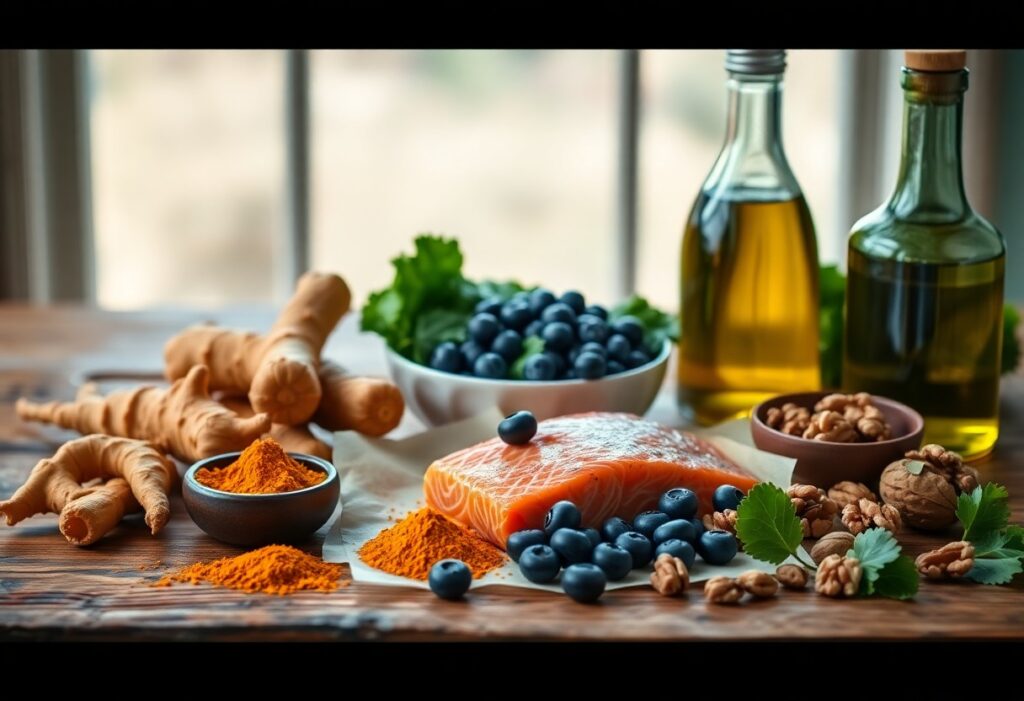

Wellness begins at the cellular level when you choose anti-inflammatory foods that send restorative signals to genes, mitochondria and immune cells. This guide highlights seven powerful food signals-omega-3s, polyphenols, fiber, vitamin D, minerals, fermented probiotics and phytonutrients-that help lower oxidative stress and chronic inflammation, giving you practical steps to reshape your diet and protect your long-term health.
Key Takeaways:
- Omega-3 fatty acids from fatty fish, flax, and chia lower pro-inflammatory signaling and support cell membrane function.
- Polyphenol-rich foods (berries, green tea, dark chocolate) activate antioxidant pathways (e.g., Nrf2) and reduce oxidative stress.
- Dietary fiber and resistant starch feed gut microbes to produce short-chain fatty acids like butyrate, which dampen inflammation.
- Antioxidant vitamins and minerals (vitamins C, E, selenium, zinc) neutralize free radicals and protect cellular components.
- Fermented foods and probiotics modulate the microbiome, reducing gut-derived inflammatory signals and improving barrier integrity.
- Sulforaphane and other phytochemicals in cruciferous vegetables induce detoxifying enzymes and attenuate cellular stress responses.
- Anti-inflammatory spices and compounds (curcumin, ginger, catechins) inhibit pro-inflammatory pathways (e.g., NF-κB); combine with healthy fats to enhance absorption.
Understanding Inflammation
When inflammatory signaling stays active, you experience systemic effects: elevated hs-CRP (>3 mg/L signals high cardiovascular risk), higher IL-6 and TNF-α, plus worsened insulin resistance and endothelial dysfunction. Clinical interventions that lower these markers-diet, exercise, sleep-translate into measurable risk reductions; for example, dietary changes often cut hs-CRP by roughly 15-30% within weeks to months.
What is Inflammation?
Inflammation is your immune system’s response to injury or pathogens, bringing neutrophils and macrophages to clear threats; acute inflammation resolves quickly and aids healing. When signaling molecules like IL-1β and TNF-α persist, inflammation becomes chronic, with immune cells infiltrating tissues and impairing function. You can monitor activity via hs-CRP, ESR or cytokine panels.
Causes of Chronic Inflammation
Persistent drivers include visceral adiposity, smoking, chronic infections, autoimmune diseases (e.g., rheumatoid arthritis, IBD) and environmental exposures like PM2.5; each sustains cytokine release and tissue damage. Diets high in added sugars, refined carbs and industrial trans fats raise hs-CRP and IL-6, while sedentary behavior and sleep disruption blunt anti-inflammatory mediators such as IL-10.
For example, visceral fat secretes IL-6 and TNF-α and often correlates with 2‑fold higher CRP in people with obesity; smokers commonly show substantially elevated CRP versus non-smokers. Periodontal infections increase systemic markers and link to higher cardiovascular events. Randomized trials (including Mediterranean-style interventions) have demonstrated consistent reductions in hs-CRP and IL-6, underscoring how addressing these specific causes lowers your long-term inflammatory load.
The Role of Diet in Inflammation
Dietary patterns powerfully shift your inflammatory baseline: Mediterranean and plant-forward diets reduce circulating hs-CRP and IL-6 in clinical trials, while Western diets elevate them. You can lower pro-inflammatory signaling by prioritizing whole foods, aiming for 25-30 g fiber/day, 1-3 g EPA+DHA daily, and keeping vitamin D >30 ng/mL; small, consistent changes often cut markers within 4-12 weeks in intervention studies.
How Food Influences Inflammatory Responses
When you eat, macronutrient quality and processing determine acute and chronic immune signaling: high saturated fat or refined-carb meals raise endotoxin (LPS) translocation and trigger TLR4/NF-κB pathways, whereas fiber-fermented short-chain fatty acids (butyrate) and polyphenols blunt cytokine production. For example, a single high-fat meal can increase postprandial IL-6 and oxidative stress within hours, amplifying chronic risk if repeated.
Key Nutrients for Reducing Inflammation
You should prioritize omega-3s (EPA+DHA 1-3 g/day), soluble fiber (25-30 g/day), polyphenols (curcumin 500-1,000 mg trials, EGCG, anthocyanins), vitamin D to maintain >30 ng/mL, magnesium ~300-400 mg/day, and extra virgin olive oil (1-2 tbsp/day). Fermented foods and diverse plant intake support beneficial microbes that further lower inflammatory mediators.
Omega-3s incorporate into cell membranes and generate resolvins that down-regulate NF-κB; fiber increases butyrate, which enhances regulatory T cells and gut barrier integrity; polyphenols inhibit COX/LOX and scavenge ROS. Practically, you can hit targets with fatty fish twice weekly, 3-4 servings of legumes/whole grains daily, turmeric with black pepper, leafy greens, nuts, and daily EVOO to produce measurable reductions in CRP and cytokines over months.
Seven Powerful Food Signals
These seven food signals – omega‑3s, antioxidant polyphenols, fermentable fiber, spices and herbs, fermented foods, nuts and seeds, and healthy monounsaturated fats – directly modulate cellular stress pathways such as NF‑κB and Nrf2, lower endotoxin translocation, and shift your circulating markers like hs‑CRP; integrating them into daily meals produces measurable reductions in pro‑inflammatory mediators and improves metabolic resilience.
Omega-3 Fatty Acids
You benefit from EPA and DHA found in salmon, mackerel, sardines and algae, plus ALA from flax and chia; aim for a baseline of ~250-500 mg combined EPA+DHA daily, with 1-3 g often used therapeutically, because these fats replace arachidonic acid in membranes, reduce pro‑inflammatory eicosanoids, and lower cytokine signaling.
Antioxidant-Rich Foods
Your intake of polyphenol‑rich foods – berries, dark chocolate (≥70%), green tea, coffee and colorful fruits and vegetables – scavenges reactive oxygen species and activates antioxidant defenses such as Nrf2, which reduces oxidative stress that otherwise amplifies inflammatory signaling.
Practical choices matter: one cup of blueberries, a 20-30 g square of dark chocolate, or 1-3 cups of green tea daily supplies meaningful flavonoids and catechins; combining these with high‑polyphenol olive oil or red grapes further diversifies the antioxidant profile and supports lower markers of oxidative damage.
Fiber and Whole Grains
You should target roughly 25-38 g of fiber per day (varies by sex and age) from oats, barley, whole wheat, beans and vegetables, because fermentable fiber feeds gut microbes that produce short‑chain fatty acids like butyrate, which strengthen the epithelial barrier and attenuate systemic inflammation.
Choose concrete swaps: replace refined grains with 1 cup cooked oats (≈4 g fiber), add ½ cup beans (≈7-9 g), and opt for whole‑grain bread or brown rice; gradually increase fiber and drink water to avoid GI discomfort while maximizing SCFA production and improved glycemic control.
Spices and Herbs
You get potent anti‑inflammatory signaling modulators from turmeric (curcumin), ginger, cinnamon, rosemary and oregano; these botanicals inhibit COX‑2 and NF‑κB pathways and deliver bioactive phytochemicals that complement macronutrient changes when used regularly in cooking or as standardized extracts.
Use practical dosing: sprinkle ½-1 teaspoon turmeric into sauces or smoothies and add a pinch of black pepper to boost curcumin absorption, grate 1-2 grams fresh ginger into dressings, and rotate herbs like rosemary and oregano for both flavor and sustained anti‑inflammatory benefit.
Fermented Foods
You alter immune signaling by adding live‑culture foods – yogurt with active cultures, kefir, kimchi, sauerkraut, miso and tempeh – which introduce beneficial microbes and metabolites that reduce gut permeability, lower LPS‑driven inflammation, and enhance regulatory cytokines like IL‑10.
Prioritize one serving daily (for example, 1 cup yogurt or kefir, 2 tablespoons sauerkraut or kimchi, or ¼ cup tempeh) and choose unpasteurized or “contains live cultures” labels; be mindful of sodium in fermented vegetables and balance portions accordingly.
Nuts and Seeds
You gain anti‑inflammatory nutrients from a daily small handful (~28-30 g) of nuts and seeds: walnuts for ALA, almonds for vitamin E, and flax or chia for fiber and lignans, all of which reduce oxidative stress, improve lipid profiles, and lower inflammatory markers in observational studies.
Include specific swaps: add 1 ounce (≈28 g) walnuts to salads for ~2.5 g ALA, stir 1-2 tablespoons ground flaxseed into yogurt for extra fiber and lignans, and snack on almonds for vitamin E (~7-8 mg per ounce) to support membrane protection and antioxidant capacity.
Healthy Fats
You should favor extra‑virgin olive oil, avocado, and fatty fish as primary fat sources because monounsaturated fats and olive polyphenols reduce LDL oxidation, improve endothelial function, and form part of Mediterranean patterns associated with lower inflammatory markers.
Make simple swaps: use 1-3 tablespoons of cold‑pressed extra‑virgin olive oil daily in dressings, add half an avocado to meals for ~10 g MUFA and fiber, and prefer olive oil for low‑heat cooking or finishing to preserve polyphenols like hydroxytyrosol for anti‑inflammatory benefit.
Creating an Anti-Inflammatory Meal Plan
Design meals so you hit measurable targets: aim for 25-30 g fiber per day, two 3.5 oz servings of oily fish weekly, and 1-2 tablespoons of extra‑virgin olive oil daily. Use a plate model – half nonstarchy vegetables and fruit, one quarter whole grains or legumes, one quarter lean protein – and batch-cook soups, stews, and grain bowls to make consistent choices easier during busy weeks.
Foods to Include
Prioritize omega‑3 sources (salmon, mackerel, flaxseed), polyphenol-rich berries and dark chocolate (70%+), cruciferous vegetables, leafy greens, legumes, whole oats and quinoa, nuts (1 oz walnuts ≈2.5 g ALA), turmeric and ginger, and fermented foods like kefir or yogurt for microbiome support; aim for at least 3 cups vegetables and 2 servings fruit daily to lower hs‑CRP and improve fiber intake.
Foods to Avoid
Limit added sugars to under 10% of total calories, avoid trans fats and partially hydrogenated oils, and minimize processed meats (bacon, sausages) and ultra‑processed snacks; these items are linked to higher systemic inflammation, worse lipid profiles, and increased cardiometabolic risk in cohort studies and meta‑analyses.
Refined carbohydrates and sugary beverages provoke postprandial glucose and oxidative stress that raise IL‑6 and hs‑CRP, while trans and excess saturated fats amplify pro‑inflammatory signaling and raise LDL. Processed meats contribute nitrates and heme iron tied to inflammation; practically, replace one processed item per day with a whole‑food alternative (e.g., turkey breast replaced by grilled salmon or a lentil salad) to reduce inflammatory load over weeks.
Lifestyle Factors That Support Cellular Health
Your non-diet choices dramatically tune inflammatory signaling: chronic sleep loss and stress upregulate NF-κB, smoking increases oxidative load, and sedentary behavior suppresses mitochondrial biogenesis. Targeted changes-consistent sleep timing, stress-reduction practices, regular resistance and aerobic movement, and limiting alcohol-translate into lower hs-CRP and improved insulin sensitivity in trials. After you implement these habits, biomarkers and energy typically improve within 4-12 weeks.
- Sleep: aim 7-9 hours nightly, consistent schedule
- Stress: daily 10-20 minutes of breathing or meditation
- Exercise: 150 minutes moderate aerobic + 2 strength sessions/week
- Hydration: 2-3 L/day, more with heat or activity
- Tobacco/alcohol: avoid smoking; limit alcohol to ≤1 (women) or ≤2 (men) drinks/day
Importance of Hydration
Cellular reactions depend on water: you need adequate intracellular hydration for nutrient transport, waste removal, and enzymatic activity. Aim roughly 2-3 liters/day (varies with body size and activity), use urine color as a simple gauge, and increase intake during exercise or heat. Even mild dehydration (~1-2% body weight loss) impairs performance and can raise cortisol, perpetuating inflammatory signaling.
Role of Exercise and Sleep
Both exercise and restorative sleep act synergistically to lower inflammation: meeting CDC guidelines-150 minutes/week of moderate aerobic activity plus two resistance sessions-reduces pro-inflammatory cytokines like IL-6 and TNF-α, while 7-9 hours of sleep supports hormonal balance and lowers hs-CRP. You should prioritize timing and consistency; evening heavy exercise or irregular sleep cycles blunt benefits and raise sympathetic tone.
Mechanistically, exercise activates AMPK and PGC-1α pathways to boost mitochondrial biogenesis and autophagy, improving redox balance; meanwhile, slow-wave sleep promotes growth hormone release and melatonin-mediated antioxidant action that aid mitochondrial repair. You benefit most from consistent weekly training and fixed sleep-wake times; in clinical trials, 8-12 week exercise programs commonly lower hs-CRP and improve insulin sensitivity in adults with metabolic syndrome.
To wrap up
Conclusively, you can reduce cellular stress and chronic inflammation by prioritizing the seven anti-inflammatory food signals-omega-3s, polyphenol-rich fruits and vegetables, fiber, fermented foods, nuts, spices like turmeric, and green tea-while minimizing processed fats and sugars; adopting these patterns supports cellular resilience, clearer metabolic markers, and long-term wellbeing.
FAQ
Q: What is an anti-inflammatory diet and what are the “7 powerful food signals” that calm cellular stress?
A: An anti-inflammatory diet emphasizes whole, minimally processed foods that send biochemical signals to cells reducing oxidative stress, inflammation, and maladaptive immune responses. The seven powerful food signals are: 1) long-chain omega-3 fatty acids (pro-resolving lipid mediators), 2) polyphenols and flavonoids (antioxidant and signaling modulators), 3) fermentable fiber (short-chain fatty acids like butyrate), 4) dietary antioxidants and micronutrients (vitamins C, E, selenium), 5) isothiocyanates and glucosinolates (e.g., sulforaphane) that induce detox and antioxidant pathways, 6) probiotics and prebiotics (microbiome-driven immune modulation), and 7) low glycemic-load carbohydrates and patterns that limit insulin spikes and advanced glycation end products. Each signal alters cellular pathways (oxidative stress, NF-κB, Nrf2, mitochondrial function, epigenetic marks) to reduce chronic cellular stress and support repair.
Q: By what molecular mechanisms do these food signals reduce cellular stress and inflammation?
A: These food signals act through overlapping molecular routes: omega-3s are converted to resolvins and protectins that promote resolution of inflammation; polyphenols and sulforaphane activate Nrf2-driven antioxidant gene expression and inhibit pro-inflammatory NF-κB signaling; fermentable fiber is metabolized by gut bacteria into short-chain fatty acids (butyrate, propionate) that strengthen the gut barrier, serve as HDAC inhibitors affecting gene expression, and promote regulatory T cells; antioxidants neutralize reactive oxygen species and prevent oxidative damage to lipids, proteins, and DNA; probiotics and prebiotics reshape microbiome composition, reduce endotoxin translocation and lower systemic inflammation; low glycemic-load eating reduces postprandial glucose/insulin peaks and formation of advanced glycation end products that otherwise trigger inflammatory pathways. Together these changes improve mitochondrial efficiency, enhance autophagy, shift macrophages toward an anti-inflammatory phenotype, and lower systemic inflammatory mediators such as CRP, IL-6, and TNF-α.
Q: Which specific foods deliver each of the seven signals and practical serving examples?
A: Omega-3s: fatty fish (salmon, mackerel, sardines) 2-3 servings/week or plant sources (chia, flax, walnuts) daily. Polyphenols: berries, dark purple fruits, green tea, cocoa (70%+), turmeric/curcumin, and extra virgin olive oil; include a cup of berries or green tea daily and 1-2 tbsp olive oil at meals. Fermentable fiber/SCFA support: legumes, oats, barley, apples, artichokes, asparagus, and plenty of vegetables; aim for 25-35 g fiber/day. Antioxidant micronutrients: citrus, bell peppers, nuts, seeds, leafy greens for vitamins C, E, selenium-rich foods like Brazil nuts (1-2 nuts/day). Isothiocyanates: cruciferous vegetables (broccoli, broccolini, Brussels sprouts, kale); include several servings per week and lightly chop/rest to maximize sulforaphane. Probiotics/prebiotics: yogurt, kefir, kimchi, sauerkraut, miso and prebiotic foods such as garlic, onion, leeks, and resistant starch (cooled cooked potatoes, green bananas). Low glycemic-load choices: whole grains (quinoa, barley), legumes, non-starchy vegetables, and whole fruits instead of refined carbs and sugary drinks.
Q: How should I prepare and combine foods to preserve or enhance their anti-inflammatory signals?
A: Use low-to-moderate heat methods (steaming, sautéing, braising, roasting) rather than high-temperature frying or charring that produces pro-inflammatory advanced glycation end products and oxidized fats. Pair fat-soluble polyphenols like curcumin with a healthy fat (olive oil, avocado) and a pinch of black pepper (piperine) to increase absorption. For cruciferous vegetables, finely chop or crush and wait 30-40 minutes before cooking to allow myrosinase to form sulforaphane; light steaming preserves activity better than prolonged boiling. Ferment vegetables to boost probiotic content while reducing FODMAPs for some people. Combine fiber and protein or healthy fat at meals to blunt postprandial glucose spikes and prolong satiety. Minimize ultra-processed foods, trans fats, and excess added sugars that counteract beneficial signals.
Q: How quickly will I notice benefits and which clinical or laboratory markers should be tracked?
A: Symptom improvements (less bloating, improved energy, reduced joint stiffness or pain) can appear within days to weeks for some people. Objective metabolic improvements-lower fasting glucose or insulin-often emerge over weeks to months; HbA1c changes require at least 2-3 months to evaluate. Inflammatory biomarkers such as high-sensitivity CRP, erythrocyte sedimentation rate (ESR), fasting insulin, and lipid panels can show measurable improvement within 4-12 weeks depending on baseline levels and adherence. Gut-related outcomes such as bowel regularity and reduced gas may change within days to weeks. For autoimmune or chronic inflammatory diseases, clinical assessment and biomarkers should be followed with a healthcare provider over months to assess meaningful change.
Q: Are there safety concerns, interactions, or people who should modify this approach?
A: Most whole-food approaches are safe, but precautions are needed in specific situations. High-dose omega-3 supplements can increase bleeding risk in people on anticoagulants; discuss dosing with a clinician. Certain polyphenol-rich extracts and grapefruit can alter drug metabolism via cytochrome P450 interactions; check with a pharmacist if taking prescription medications. Probiotic supplements may pose a risk in severely immunocompromised individuals or those with central venous catheters. People with kidney disease may need to limit high-potassium plant foods and consult renal guidance. Those with oxalate kidney stones should moderate high-oxalate foods (spinach, beet greens, certain nuts) and balance with dietary calcium. Pregnancy and breastfeeding call for clinician guidance on supplement use and high-dose botanicals. Adjust carbohydrate changes gradually for people on glucose-lowering medications to avoid hypoglycemia; coordinate medication changes with a provider.
Q: How do I translate these signals into a simple, sustainable weekly pattern and quick meal swaps?
A: Build a pattern around a Mediterranean-style template: daily vegetables (colorful, cruciferous, leafy), two to three servings of fatty fish weekly, regular legumes and whole grains, nuts and seeds as snacks, olive oil as the main fat, and fermented foods several times per week. Sample swaps: replace sugary breakfast cereal with oats topped with berries and ground flax; swap white rice for quinoa or lentils; trade chips for carrot sticks with hummus; choose grilled salmon over processed deli meats; enjoy green tea instead of sweetened beverages. Aim for plate composition of roughly half vegetables, one-quarter lean protein or legumes, and one-quarter whole grains or starchy vegetable, plus a small handful of nuts or a drizzle of olive oil. Consistency, variety of plant colors, and minimal processed food intake sustain the anti-inflammatory signals and support cellular resilience over time.