
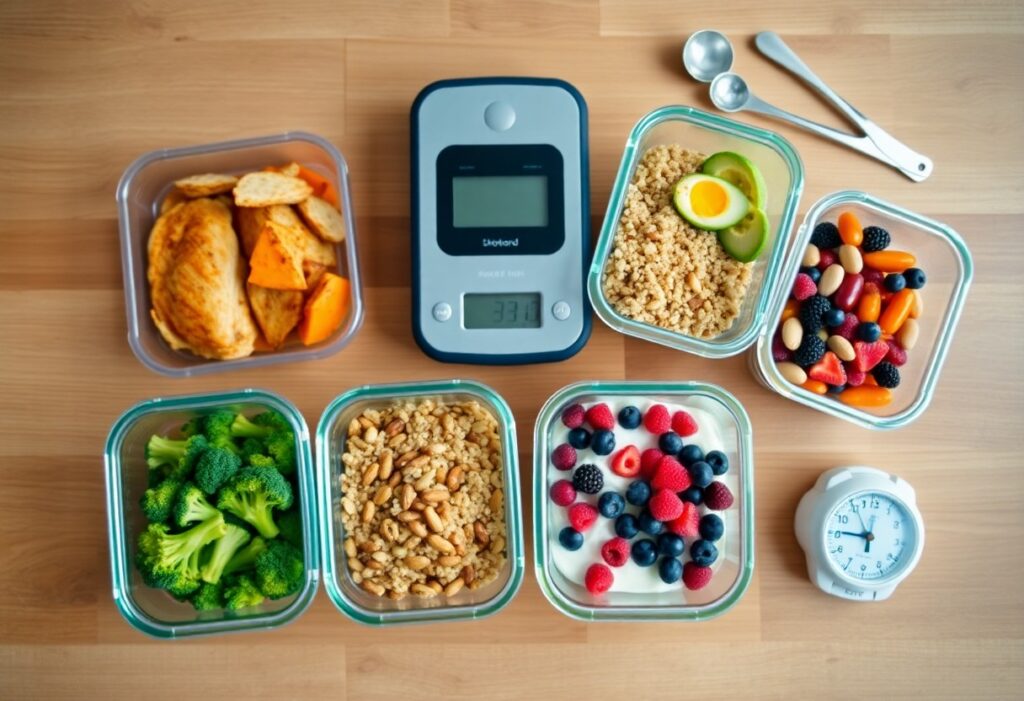

You can rebalance your macros to support tissue repair and steady hormones by prioritizing protein for rebuilding, omega-rich fats for signaling, and timed carbohydrates for energy recovery; adjust portion sizes, track intake briefly, and align meals with activity to stabilize blood sugar and repair processes. Follow these five evidence-based strategies to create a personalized, sustainable macro plan.
Understanding Macronutrients & Hormonal Repair
When repairing tissue you must match macros to the healing stage: target protein 1.2-2.0 g/kg to drive collagen and myofibrillar synthesis, carbohydrates 3-7 g/kg to refill glycogen and spare amino acids, and fats at 20-35% of calories to supply crucial fatty acids and cholesterol for membrane and steroid synthesis. For example, a 70 kg athlete might aim for 84-140 g protein and 210-490 g carbs daily to optimize repair and hormone production.
Roles of protein, carbohydrates and fats in tissue repair
You should eat 20-30 g high-quality protein per meal (about 2-3 g leucine) to activate mTOR and maximize synthesis; clinical protocols commonly use 1.2-1.5 g/kg post-injury for nitrogen balance. Carbohydrates refill glycogen-0.5-1.2 g/kg in the first 4 hours post-exertion helps recovery-and spare protein. Include 1-3 g/day EPA/DHA and 20-35% calories from fat to modulate inflammation and supply cholesterol for cell membranes.
How macros affect insulin, cortisol and sex hormone balance
You’ll see that carbs drive insulin-50 g glucose typically peaks insulin within 30-60 minutes-supporting anabolic signaling when timed around training. Protein also stimulates insulin and amino-acid-driven synthesis, while fats blunt postprandial insulin rises and slow absorption. Very low-carb or very-low-energy states raise cortisol, and persistently low dietary fat (<20% of calories) can impair sex-steroid production over weeks to months.
Mechanistically, insulin activates Akt/mTOR to promote protein synthesis and suppress proteolysis, countering cortisol’s catabolic effects which increase gluconeogenesis and muscle breakdown during energy deficit. Sex hormones require cholesterol and crucial fatty acids; if you restrict fat and energy intake substantially (examples include athletes with low energy availability), you’ll often see reduced LH pulsatility in women and lower testosterone in men, impairing recovery and reproductive function.
Protein: Timing, Quality & Dosage
You should target high-quality protein spaced across the day to drive repair and hormonal balance: aim for 3-5 evenly spaced feeds every 3-4 hours, each providing ~0.3-0.4 g/kg (roughly 20-40 g for most adults) and ~2.5-3 g leucine per meal. Prioritize fast-digesting whey or whole-foods post-workout, and a 30-40 g slow-release casein at night to sustain overnight muscle protein synthesis and stabilize amino acid availability for recovery.
Optimal per-meal protein, leucine threshold and distribution for repair
A practical target is 0.25-0.4 g/kg per meal with ~2.5-3 g leucine to maximally stimulate muscle protein synthesis; for a 70 kg person that’s ~18-28 g protein and ~2.5 g leucine. Space these amounts every 3-4 hours across 3-5 meals, skewing to the higher end if you’re older or in a large calorie deficit. Post-exercise, prioritize a feed within 0-2 hours to amplify repair.
Best sources and practical strategies to prevent muscle breakdown
Choose leucine-rich sources: whey concentrate/isolate, lean beef, chicken, eggs, dairy, and soy; whey delivers ~2.5 g leucine per 25 g protein bolus. Combine resistance training with timely protein (post-workout and pre-sleep), carry portable options like protein tubs or tuna pouches, and pair carbs with protein to support glycogen and reduce catabolism during heavy training phases.
For actionable swaps: have 25-30 g whey or a 150 g Greek yogurt + 20 g nuts after sessions, a 150-200 g chicken breast (30-40 g protein) at main meals, and 30-40 g casein or cottage cheese before bed. Studies show a pre-sleep casein dose increases overnight muscle protein synthesis; consuming protein within two hours post-exercise consistently minimizes net protein breakdown and aids hormonal recovery during dieting or heavy training.
Carbohydrates: Type & Timing for Stable Blood Sugar
You should prioritize whole-food, low-glycemic carbs-vegetables, legumes, berries, oats and intact grains-while cutting refined sugars and sugary drinks. Aim for about 25-45% of calories from carbs depending on activity level; many people stabilize blood sugar with 150-250 g/day divided across meals. Distribute carbs evenly to avoid sharp post-meal spikes and swap white rice or bread for quinoa, lentils or sweet potato to reduce glycemic load.
Prioritizing fiber, low-glycemic carbs and portion control
You should target 25-35 g of fiber daily, with soluble sources (oats, beans, apples) to slow glucose absorption and blunt peaks. Use portion rules: one cupped-hand of starchy carbs (≈30-45 g) per meal, half your plate non-starchy veg, and replace pastries with legumes or steel-cut oats to lower glycemic load by roughly 20-40%.
Strategic carb timing for recovery, sleep and insulin sensitivity
Front-load carbs when your insulin sensitivity is highest-typically morning and early afternoon-and keep dinners smaller and fiber-rich to reduce nocturnal glucose variability. After resistance training take ~0.5 g/kg carbs plus 20-30 g protein within 30-60 minutes to speed glycogen replenishment; on rest days shift total carbs toward the lower end of your daily range (e.g., 150 g vs 250 g when active).
For example, a 70 kg lifter would consume ~35 g carbs and ~25 g protein post-workout to support repair, while endurance athletes may need 1.0-1.2 g/kg after long sessions. If you have insulin resistance, move 60-70% of daily carbs to the first two meals and pair carbs with protein and fat to blunt peaks-earlier carb distribution has been shown to lower average glucose and improve insulin metrics over weeks.
Fats: Essential Lipids for Hormone Synthesis
Aim for roughly 25-35% of your daily calories from fats to maintain membrane fluidity, steroid hormone production and absorption of vitamins A, D, E and K. Cholesterol serves as the substrate for cortisol, testosterone and estrogens, so dietary sources like an egg yolk (~186 mg cholesterol) and whole‑food fats matter. You want a mix of omega‑3s, MUFAs and some SFAs to support prostaglandin balance, cellular repair and stable hormone signaling during recovery.
Role of omega-3/6, monounsaturates and dietary cholesterol in steroid hormones
Target 250-500 mg/day EPA+DHA and move your omega‑6:omega‑3 ratio toward ~4:1 or lower, since Western diets often reach 15:1-20:1 and that favors pro‑inflammatory eicosanoids. You should prioritize MUFA sources (extra‑virgin olive oil, olives; ~70-75% oleic acid) to support insulin sensitivity and membrane composition. Dietary cholesterol provides the raw material for steroidogenesis, so including whole eggs, shellfish and shellfish oils in moderation supports adrenal and gonadal hormone synthesis.
Fat quality, cooking considerations and pairing with other macros
Choose cold‑pressed, minimally processed fats for salads and finishers, reserve stable high‑oleic or refined oils for high heat, and avoid repeatedly heating PUFA‑rich seed oils. You should include 5-10 g of fat per meal to improve carotenoid and vitamin K/D absorption, and pair fats with fiber and protein to blunt postprandial glucose and protect anabolic hormone responses.
For practical swaps, use extra‑virgin olive oil (smoke ~190°C/375°F) and walnuts or flax for cold applications, and refined avocado or high‑oleic sunflower for searing (avocado ~270°C/520°F). Avoid heating flax or walnut oil. Pair a 30-60 g carbohydrate meal with ~10-15 g fat plus 15-30 g protein to reduce glucose spikes and insulin surges; for omega‑3 intake, 100 g wild salmon gives roughly 1.5-2 g EPA+DHA. Steer clear of industrial trans fats and repeated deep‑fry cycles to protect hormone and mitochondrial function.
Energy Balance & Macro Ratios for Repair vs. Fat Loss
For repair you’ll typically run a modest surplus (≈+5-15% above maintenance) with protein at 1.6-2.4 g/kg, carbs 3-6 g/kg to fuel glycogen restoration, and fats around 20-30% of calories. For fat loss aim for a deficit (≈−10-25%) while keeping protein high (2.0-2.4 g/kg) to preserve lean mass, carbs 1.5-3 g/kg depending on activity, and fats no lower than 20% to support hormones.
How total calories and macro splits influence tissue repair and body composition
Total calories set whether you’re in an anabolic or catabolic environment; macros determine what tissue is gained or lost. For an 80 kg athlete, 1.6-2.4 g/kg protein equals 128-192 g/day to support repair. If you maintain calories but drop protein, you risk net muscle loss; if you increase calories but keep protein low, you’ll gain fat more than functional tissue. Adjust carbs to training volume.
Sample macro frameworks tailored to common goals
Maintenance: at TDEE you target protein 1.6-2.0 g/kg, carbs 3-4 g/kg and fat 25-30% of calories. Repair/synthesis: +5-15% calories with protein 1.8-2.4 g/kg, carbs 3-6 g/kg and fat 20-30%. Fat loss: −10-25% calories while you keep protein 2.0-2.4 g/kg, carbs 1.5-2.5 g/kg and fat 25-30%. Recomposition: stay near maintenance with protein ~2.0 g/kg plus resistance training.
Dial frameworks to individual response: track body weight, strength and recovery over 2-6 weeks and adjust calories by 5-10% increments. For example, a 70 kg trainee targeting repair might aim for 1.8-2.2 g/kg protein (126-154 g), ~3.5-4.5 g/kg carbs (245-315 g) at +10% calories; if energy feels low, raise carbs before fat. Prioritize progressive overload and sleep for faster tissue synthesis.
Practical Tracking, Adjustment & Lifestyle Integration
You should use simple, repeatable measures: weigh yourself weekly, track body measurements biweekly, and log protein in grams per kg (1.6-2.2 g/kg) while monitoring total calories. Use apps or a spreadsheet to note sleep, stress, alcohol intake and training load so patterns emerge. Aim for 0.25-0.5% bodyweight change per week when changing calories, and prioritize consistency for 2-4 weeks before judging an adjustment’s success.
Simple tracking tools, biomarkers and performance cues
Use a food tracker (Cronometer, MyFitnessPal) plus weekly weigh-ins and photos. Check fasting glucose (<100 mg/dL), fasting insulin (<10 μIU/mL) and triglyceride/HDL ratio as metabolic anchors; add CGM or ketone meter if you're low-carb. Monitor strength (sets x reps at target tempo), RPE, resting heart rate and HRV for recovery signals-dropping strength or rising RPE indicates you need more carbs or calories.
When and how to adjust macros for stress, training or life changes
If training volume increases, raise carbs by 20-50 g on heavy days or use targeted carbs pre/post-workout; boost protein to 2.0-2.4 g/kg during repair phases. Under chronic stress or poor sleep, increase overall calories 5-15% and prioritize fats for hormone support (aim for 25-35% of calories). Make one change at a time and evaluate over 7-14 days using weight, sleep, mood and performance.
For example, a client added 40-60 g carbs on two weekly heavy lifting days and recovered strength within 10 days; another restored menstrual regularity after raising fat from 22% to ~30% of calories and keeping protein at 2 g/kg for six weeks. When travel or reduced training hits, cut carbs 10-20% and maintain protein to preserve lean mass; adjust progressively and log outcomes so you can revert or continue based on concrete data.
Summing up
As a reminder, balancing protein, fats, and carbohydrates through targeted timing, portion control, quality choices, meal frequency, and individualized ratios helps support tissue repair and hormonal stability; by tracking intake, prioritizing whole foods, adjusting for activity and stress, and consulting a clinician you optimize recovery and steady hormones for long-term wellness.