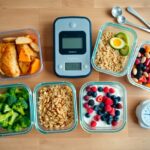


With autophagy central to cellular repair and longevity, you can stimulate renewal without extreme fasting by adopting targeted habits: timed protein intake, resistance training, moderate caloric cycling, quality sleep, and nutrient support like spermidine and polyphenols. These evidence-based strategies optimize cellular housekeeping, reduce metabolic stress, and preserve muscle while promoting clearance of damaged proteins and organelles, giving you a practical, sustainable plan to enhance your cellular health.
How autophagy works
When nutrients fall, your cell’s phagophore membranes expand around damaged proteins and organelles to form autophagosomes that fuse with lysosomes, where hydrolases degrade cargo and release amino acids and fatty acids back into metabolism. Selective processes like mitophagy target dysfunctional mitochondria to limit ROS, and basal autophagy continuously clears long-lived proteins-stress-induced upregulation during intermittent fasting or exercise increases turnover to preserve ATP and prevent toxic aggregate buildup.
Core mechanisms and molecular triggers (AMPK, mTOR, ULK1, mitophagy)
Energy sensing directs initiation: when your AMP/ATP ratio rises, AMPK phosphorylates ULK1 and inhibits mTORC1, relieving mTOR-mediated suppression of ULK1 and enabling phagophore nucleation via the Beclin-1/VPS34 complex. ULK1 coordinates downstream ATG machinery for membrane expansion, while mitophagy depends on PINK1 accumulation and Parkin-mediated ubiquitination to mark damaged mitochondria for clearance. Clinically relevant triggers include exercise, metformin-induced AMPK activation, and rapamycin-mediated mTOR inhibition.
Clinical benefits and biomarkers to watch
Modulating autophagy improves metabolic health and protects against neurodegeneration-mice lacking Atg5/Atg7 show rapid neuronal protein aggregation-and reduces tumor growth in select preclinical models. You should monitor LC3-II/LC3-I ratios and p62/SQSTM1 as intracellular flux indicators, circulating cell-free mtDNA for mitochondrial turnover, and metabolic markers like rising β-hydroxybutyrate during fasting; downstream clinical benefits often appear as lower fasting insulin and improved HOMA-IR.
For more practical monitoring, tissue biopsies measure LC3 lipidation and p62 accumulation (high p62 indicates impaired flux), while blood tests for PINK1/Parkin and cf‑mtDNA are emerging mitophagy markers. You can use a ketone meter-β‑hydroxybutyrate >0.5 mmol/L commonly signals nutritional ketosis that accompanies autophagy-and track fasting insulin, CRP, or functional readouts; combining biochemical markers with imaging or biopsy gives the most reliable assessment of autophagic activity.
Time‑restricted eating without over‑fasting
You can trigger cellular renewal by shortening your eating window rather than doing multi‑day fasts; a nightly 12-14 hour fast nudges autophagy-supporting metabolism while preserving muscle and daily function. For example, stopping food at 8:00 pm and resuming at 8:00-10:00 am creates a 12:12-14:10 pattern that increases nightly fat oxidation and ketone production for many people, improves sleep‑aligned circadian cues, and is far more sustainable than prolonged fasting for long‑term adherence.
Practical windows and stepwise implementation (12:12 → 14:10 approaches)
Start with 12:12 for two weeks: finish dinner by 8:00 pm and eat breakfast at 8:00 am, keep protein intake steady and hydrate; if tolerated, move to 13:11 for one week, then 14:10 (last bite 8:00 pm, first bite 10:00 am). Shift workouts to the feeding window or do light activity fasted, monitor energy, blood sugar if diabetic, and prioritize evening routines to support sleep and appetite control as you widen the nightly fast.
Evidence for autophagy activation and metabolic effects
Animal studies consistently show autophagy markers (LC3 conversion, p62 clearance) rise after 24-48 hours of fasting, while human data are mostly indirect: ketone levels and free fatty acids increase by 12-16 hours, and randomized TRE trials (8-12 weeks) report improved insulin sensitivity, blood pressure, and modest weight loss. Sutton et al. (2018) found early time‑restricted feeding improved insulin sensitivity in men with prediabetes, suggesting metabolic benefits precede definitive human autophagy measures.
Closer inspection shows humans seldom undergo tissue biopsies to track autophagy; instead studies measure ketogenesis, insulin, and gene expression. Ketones typically rise within 12-16 hours, signaling substrate shift; autophagy‑gene upregulation in muscle or blood occurs in some short‑term studies after weeks of TRE, and rodent work links those changes to cellular cleanup. Practically, you’ll likely see metabolic improvements (glucose, waistline, energy) before direct proof of increased autophagic flux in human tissues.
Targeted exercise to stimulate cellular renewal
Exercise that targets autophagy leverages intensity, resistance and timing to trigger cellular cleanup. You can use brief, high-intensity intervals and compound resistance moves to activate AMPK and transiently suppress mTOR; sessions as short as 20-30 minutes performed 3-4 times weekly reliably increase autophagy markers in small human studies.
HIIT, resistance training and timing that promote autophagy
HIIT protocols like 30-second all-out sprints with 90-120 seconds recovery for 6-10 rounds, or Tabata-style 20/10s x8, stimulate rapid AMPK activation; pair that with resistance training – 3 sets of 6-12 reps on compound lifts (squats, deadlifts, rows) – to promote mitophagy. You can train fasted mornings occasionally (1-3 times/week) or 2-4 hours after a light meal to maximize autophagy signals.
Mechanisms, expected outcomes and training precautions
You should avoid daily fasted HIIT; AMPK activation within minutes and transient mTOR suppression drive autophagosome formation and PINK1/Parkin mitophagy, producing improved mitochondrial density, reduced inflammation and typical VO2max gains of 5-15% over 6-12 weeks. Monitor your sleep, resting heart rate and perceived exertion, and reduce volume 20-30% if fatigue or immune signs appear.
Mechanistically, repeated AMPK spikes upregulate ULK1 and autophagy genes within hours, while exercise-induced mitochondrial damage selectively tags dysfunctional mitochondria via Parkin for removal. Human trials show autophagy marker shifts peaking 3-24 hours post-exercise, so alternating hard sessions with easy recovery days preserves gains. If you take glucose-lowering drugs, have cardiovascular disease, or are pregnant, get medical clearance; start with two quality sessions weekly, add a third after 4-6 weeks, and prioritize 20-30 g protein post-session to support repair.
Protein and amino‑acid cycling to modulate mTOR
To toggle mTOR toward autophagy you manipulate protein timing and amino‑acid composition rather than extend fasting; leucine and BCAAs are the strongest mTOR triggers – roughly 2-3 g leucine per meal activates translation – so short low‑protein intervals or low‑leucine meals between protein‑rich feeds create autophagy windows while allowing muscle preservation when you reintroduce targeted protein.
Practical strategies (meal composition, leucine timing, fasting‑mimic meals)
Structure meals so you concentrate high‑leucine proteins (whey, beef, salmon ≈2-3 g leucine per typical serving) around training or one main meal, and use low‑protein breakfasts or plant‑forward lunches to extend autophagy between feeds. You can use fasting‑mimic days of ~300-500 kcal with <10 g protein on nonconsecutive days. Track per‑meal leucine: keep it under ~2 g to minimize mTOR activation, or deliver 2-3 g when you need robust muscle synthesis.
Evidence, pitfalls and tailoring to goals
Animal models repeatedly show intermittent protein restriction raises autophagy markers and improves metabolic health; human trials are smaller but suggest short low‑protein cycles reduce insulin and inflammation. A clear pitfall is muscle loss if overall intake is too low-this risk rises with age-so align cycling to your goal: more frequent low‑protein windows for longevity, and concentrated leucine boluses (post‑workout or nightly) if hypertrophy is the aim.
For practical tailoring, aim for total protein 1.0-1.6 g/kg/day if you’re moderately active and 1.6-2.2 g/kg during heavy resistance training; older adults should target ≥1.2 g/kg to protect muscle. You can try two nonconsecutive low‑protein days per week (<0.6-0.8 g/kg) or a single 24-48 hour low‑protein window after a training block to boost autophagy without chronic loss. Monitor strength, body composition and energy: if you lose >0.5% lean mass monthly, ease the restriction.
Thermal stress: saunas, heat and cold exposure
You can trigger autophagy with controlled thermal stress: heat and cold each activate stress pathways (AMPK, heat-shock proteins, norepinephrine) that upregulate cellular cleanup. Short, repeated exposures-rather than one extreme session-tend to work best; animal studies show autophagy markers rise within hours of heat or cold, and human data (e.g., Finnish sauna cohorts) link frequent sauna use to lower cardiovascular risk, suggesting systemic benefits beyond acute molecular changes.
Protocols that enhance autophagy (sauna use, cold exposure dosing)
Try 15-30 minutes in a dry sauna at 70-90°C, 2-4 times weekly, or build toward 4-7 sessions if tolerated; contrast therapy of 3 cycles (10-15 min heat, 1-3 min cold) is effective. For cold, start with cold showers or 30-60 seconds ice baths and progress to 2-5 minutes at ~10-15°C. Combine with mild fasting or fasted morning training to amplify AMPK-driven autophagy, but increase exposure gradually.
Safety, contraindications and integration with other methods
Avoid intense thermal stress if you have unstable coronary disease, recent MI, uncontrolled hypertension, syncope history, severe arrhythmia, or pregnancy; also be cautious with severe Raynaud’s or epilepsy. Hydrate, avoid alcohol before sessions, and have a partner present for first-time ice baths. Monitor heart rate and stop if you feel dizziness, chest pain, or severe shortness of breath.
Check medication interactions-beta-blockers blunt tachycardia and can mask overheating, while diuretics and anticoagulants raise risk during heat or cold; consult your clinician if on these drugs. For integration, pair thermal sessions with resistance training and a 12-16 hour overnight fast rather than prolonged fasts over 24 hours, and progress from 1-2 weekly sessions to 3-4 as you tolerate, tracking blood pressure and HR recovery.
Supplements and safe adjuncts
Evidence‑backed compounds (spermidine, berberine, EGCG, others) and when to consider them
Spermidine, berberine and EGCG have human and animal data showing autophagy activation: spermidine linked to improved cellular renewal and cognitive markers in trials (~1.2 mg/day trial doses), berberine activates AMPK and lowers HbA1c by ~0.7% in meta‑analyses, and EGCG from green tea triggers autophagy pathways. You should consider them if you have insulin resistance, age‑related decline, limited fasting tolerance, or need an adjunct to diet/exercise rather than a primary therapy.
Dosing guidance, interactions and limitations of supplementation
Begin conservatively, track effects, and discuss supplements with your clinician if you take prescription meds. You must watch for drug interactions: berberine inhibits CYP3A4/CYP2D6 and P‑glycoprotein, EGCG can raise INR with warfarin and has dose‑dependent hepatotoxicity, and combined glucose‑lowering agents can produce hypoglycemia. Avoid using multiple potent bioactives at once, check baseline LFTs/INR and reassess after 4-8 weeks.
Practical dosing examples: berberine commonly 500 mg twice daily (up to 1,500 mg/day in studies), EGCG 250-400 mg/day (avoid sustained intake >800 mg/day due to liver risk), spermidine supplements in trials ~1.2 mg/day (supplement ranges 1-3 mg), and NAD+ boosters like NR/NMN 250-500 mg/day. Stop before surgery, avoid during pregnancy/breastfeeding, and consult your provider when on anticoagulants, statins, or glucose‑lowering drugs to adjust doses and monitor LFTs, glucose and INR.
Conclusion
As a reminder, you can support autophagy without extreme fasting by combining regular intermittent fasting, exercise (especially resistance and high-intensity intervals), a protein-timed, nutrient-dense diet, targeted supplementation like spermidine and omega‑3s, and sufficient sleep with stress management; applying these measures consistently helps your cells renew more effectively while minimizing metabolic strain and preserving muscle and function.