
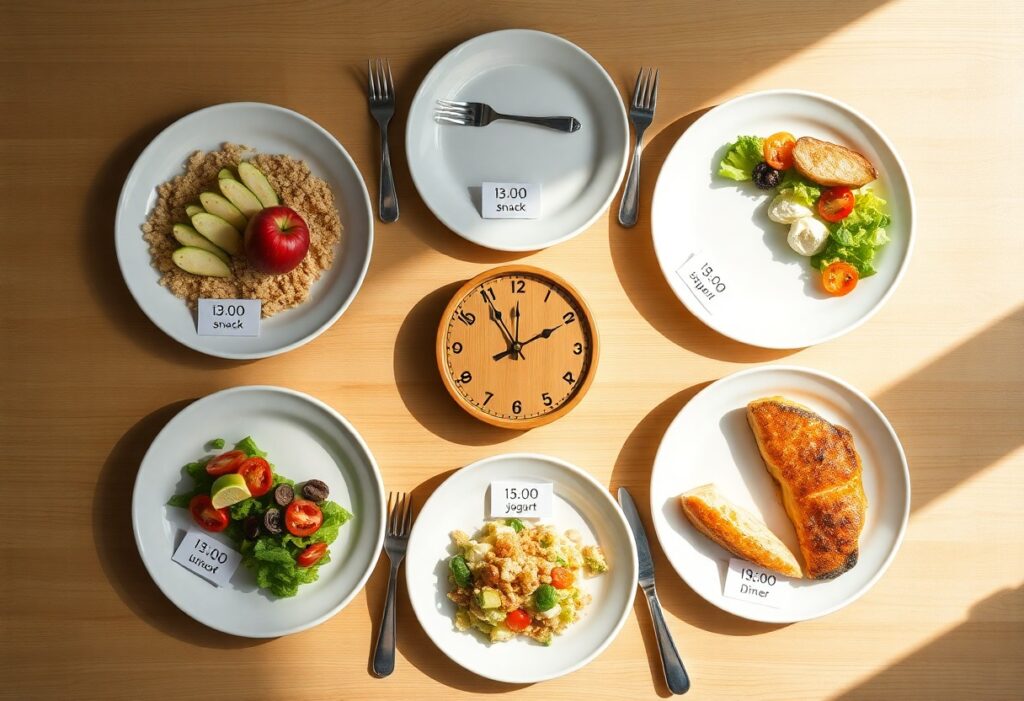

Circadian rhythms govern your metabolic cycles, so timing meals to match light-dark patterns can improve glucose control, insulin sensitivity, and sleep quality. This post explains five evidence-based schedules-time-restricted feeding, early time-restricted eating, intermittent fasting, consistent meal spacing, and pre-sleep fasting-to help you synchronize eating with your internal clock and support long-term metabolic health.
Circadian Biology and Metabolic Health
Your central clock in the suprachiasmatic nucleus tracks light-dark cycles while peripheral clocks in liver, muscle, adipose, and pancreas are strongly reset by when you eat; shifting meal timing rewrites rhythms of clock genes (BMAL1, PER) and downstream metabolic enzymes, which changes daily patterns of glucose production, insulin secretion, and lipid handling, so the timing of your calories can alter metabolic set points independent of calorie count.
How central and peripheral clocks respond to meal timing
When you eat becomes a dominant zeitgeber for peripheral tissues: feeding schedules shift hepatic and adipose clock phase within days, alter rhythmic expression of gluconeogenic and lipogenic genes, and modulate pancreatic beta-cell responsiveness, so late-night meals blunt morning insulin sensitivity and increase postprandial glucose excursions compared with earlier eating windows.
Clinical evidence linking timing to weight, glucose, lipids, and inflammation
Randomized and controlled trials of time-restricted eating (typically 8-10 hour windows) report modest weight loss (≈1-4% over 8-12 weeks) and improvements in fasting glucose, insulin and sometimes CRP; early time-restricted feeding (e.g., 8am-2pm) improved insulin sensitivity and blood pressure in a 5-week crossover trial, while cohort and shift-work studies link late eating to higher postprandial triglycerides and systemic inflammation.
Meta-analyses pooling 10-15 TRE trials show consistent, though modest, metabolic gains: greater benefit appears in participants with overweight, obesity, or metabolic syndrome, and interventions that align eating earlier in the day or compress intake to ≤10 hours tend to yield larger reductions in fasting insulin and systolic blood pressure-effects that can be clinically meaningful when combined with weight loss and lifestyle changes.
The 5 Proven Meal Timing Schedules
Early Time-Restricted Feeding (eTRF): morning-anchored 6-8 hour window
eTRF concentrates your eating into a 6-8 hour morning window (for example 7am-2pm or 8am-3pm), producing a 16-18 hour overnight fast that often improves insulin sensitivity and reduces evening glucose excursions; trials report better fasting glucose and reduced appetite when more calories are consumed earlier, making this pattern powerful if you wake early and want metabolic benefits without calorie counting.
16:8 Intermittent Fasting: flexible midday/evening window for adherence
16:8 gives you an 8-hour feeding window (commonly 12pm-8pm) and a 16-hour fast, balancing metabolic benefits with social flexibility; you can fit 2-3 meals, maintain strength-training performance, and sustain long-term adherence more easily than very restrictive schedules, so it’s widely used for weight management and blood-sugar control.
To implement 16:8, shift your start time by 30-60 minutes each few days until you hit your target window, prioritize 20-30g protein at each meal, and avoid caloric drinks during the fast; athletes often place workouts late in the feeding window to refuel, while others train fasted in the morning to boost fat oxidation-both approaches work if total intake and protein are adequate.
12-hour feeding / 12-hour fasting: a practical circadian-aligned baseline
The 12/12 model (for example 7am-7pm) aligns simply with day/night cues, improving sleep and glycemic patterns for many people without dramatic restriction; this baseline reduces late-night snacking, is easy to follow for families, and serves as a sensible starting point before trying narrower windows.
Practical adjustments include starting breakfast within an hour of waking and finishing the last meal at least 1-2 hours before bed; use this pattern to stabilize hunger signals, and track how your sleep and morning fasting glucose respond over 2-4 weeks before tightening the window.
Breakfast-frontloading / calorie distribution earlier in the day
Frontloading shifts most calories to earlier in the day-often 40-60% of daily intake by mid-afternoon-so you consume a substantial breakfast (e.g., 400-600 kcal) and a lighter dinner; studies show earlier calorie distribution can enhance satiety, reduce evening cravings, and improve weight-loss outcomes when combined with overall calorie control.
Execute this by swapping dinner and breakfast portions, aiming for a protein-rich morning meal (eggs, Greek yogurt, oats with nuts) and a vegetable-focused dinner under 500 kcal; track energy levels and hunger across two weeks to fine-tune the ratio that suits your schedule and workouts.
Nighttime fasting: strategies to avoid late-evening eating
Nighttime fasting centers on ending eating 2-3 hours before bed (for example stopping at 7pm if you sleep at 10pm), reducing postprandial glucose and caloric intake from late snacks; tactics include setting a strict last-eating alarm, brushing teeth early, and replacing late snacks with non-caloric beverages or light activities to break the habit loop.
More tactics: plan a satisfying dinner with protein, fiber, and healthy fats to lower overnight hunger, schedule evening rituals (walk, reading, warm shower) as cues that signal food-free time, and if hunger strikes, delay for 15-20 minutes and hydrate-over time your circadian appetite rhythmicity will strengthen and late-night urges will decline.
Designing Your Schedule: Practical Steps
Start by auditing your sleep, work, and current meal times for a week, then pick a baseline plan (12:12, 16:8, or eTRF 8am-2pm) that fits those constraints. Anchor one meal to your main wake period, distribute 20-40 g protein per sitting, and shift meal times gradually by 15-30 minutes per day until you hit target timing. Track energy, hunger, and sleep for two weeks and tweak the window or macro balance based on performance and satiety.
Selecting a plan by chronotype, work schedule, and goals
Match your plan to how you function: early chronotypes benefit from front-loaded windows (e.g., 7am-3pm) for improved glucose control, while night owls may prefer 12pm-8pm to maintain social and work alignment. For shift workers, anchor the largest meal at shift start and keep a consistent 4-6 hour “main window.” If your goal is fat loss, aim for a 8-10 hour window; for muscle gain, use a 10-14 hour spread with even protein distribution across 3-5 meals.
Meal composition, caffeine/exercise timing, and transition strategies
Structure meals with 20-40 g protein, high-fiber vegetables, and carbs clustered earlier if you need performance (40-50% of daily carbs before mid-afternoon), leaving heavier fats toward evening. Treat caffeine with its ~5-6 hour half-life-avoid consumption within 6 hours of desired sleep. Schedule resistance training 1-3 hours after a carbohydrate-protein meal for strength, or try morning fasted cardio if fat oxidation is a priority. When switching schedules, shift meals by 15-30 minutes daily and use consistent wake times and morning light exposure.
For practical examples: have ~30 g protein at breakfast (Greek yogurt + 30 g oats + berries), a midday plate with 30-40 g protein and starchy carbs for training days, and a lighter fat-forward dinner. If you sleep at 10pm, stop caffeine by 4pm to avoid sleep fragmentation; for late shifts, take a 400-600 kcal anchored meal at shift start and a 20-30 g protein snack before daytime sleep to preserve muscle. Adjust gradually and log sleep quality and postprandial energy to refine timing.
Special Populations and Clinical Considerations
Diabetes, pregnancy, older adults, and cardiometabolic disease
You should individualize meal timing: people with type 1 or insulin‑treated type 2 diabetes must coordinate meals with insulin/sulfonylureas to avoid hypoglycaemia, and small TRE trials showed modest A1c improvements (~0.2-0.5%) but variable safety. During pregnancy you need ~300 kcal/day extra in later trimesters and should avoid prolonged fasting. Older adults benefit from 25-30 g protein per meal to limit sarcopenia, and early feeding windows (6-8 hours) have improved insulin sensitivity and blood pressure in short cardiometabolic trials.
Shift workers, athletes, medication timing, and safety precautions
If you work nights, keep consistent schedules: have a larger pre‑shift meal and 1-2 protein‑rich snacks (15-25 g protein) overnight, avoid large high‑GI meals at 2-4 a.m., and use caffeine strategically. Athletes should time 20-40 g fast carbs before intense sessions and 30-40 g carbs plus 20-30 g protein within 30-60 minutes after training. With medications, align dosing (eg, short‑acting statins at night, adjust insulin/sulfonylureas) and consult your clinician to avoid harm.
For a practical plan, you can have a 600-800 kcal pre‑shift meal with 30-40 g carbs and 25-30 g protein, a 150-250 kcal mid‑shift snack (15-20 g protein, low‑GI), and a light post‑shift meal to stabilize glucose; an early‑morning athlete might take 20-40 g carbs plus 10-20 g protein if a full meal isn’t possible and then 0.25-0.4 g/kg protein after exercise. Prioritize safety by screening for hypoglycaemia risk, pregnancy, frailty, or disordered eating and use CGM or frequent glucose checks when changing timing alongside glucose‑lowering drugs.
Measuring Success and Monitoring
Track progress every 2-4 weeks using objective and subjective measures: body weight (aiming for ~0.5-1% body weight change per week if losing), sleep duration 7-9 hours with sleep efficiency >85%, daily energy ratings on a 1-10 scale, and glucose trends from fasting checks or CGM. Order metabolic labs every 8-12 weeks when adjusting long-term and every 3 months for HbA1c if diabetic. Use consistent logging (meals, window times, symptoms) to link timing changes to outcomes.
Key metrics: weight, sleep quality, energy, glucose, and labs
Focus on five KPIs: weight (weekly), sleep quality (total sleep time and sleep efficiency), subjective energy (morning and afternoon ratings), glucose control (fasting glucose, 1-2‑hour postprandial peaks, or CGM time-in-range >70% between 70-140 mg/dL), and labs (HbA1c, fasting lipids, CRP, fasting insulin). Expect meaningful metabolic shifts in 4-12 weeks: fasting glucose can drop 5-10 mg/dL and triglycerides often improve within 8-12 weeks.
How to trial, adjust windows, and handle social or travel disruptions
Start with a 2-4 week test of one window (example: 10-hour 8:00-18:00), then tighten or shift by 15-30 minutes every 3-4 days until you find sustainable timing. For social events, plan 1-2 flexible meals per week or compress the window next day to maintain weekly balance. During travel, anchor meals to local wake time and prioritize a protein-rich first meal to blunt spikes; log deviations so you can correlate them with sleep and glucose.
When crossing time zones, shift your eating window by ~1 hour per day in the direction of travel starting 48 hours before departure for trips >3 hours. If you must eat late socially, preserve an overnight fast of at least 10 hours afterward. For example, a client moved dinner 90 minutes earlier and within 6 weeks reported sleep efficiency rising from 78% to 86% and fasting glucose falling from 104 to 96 mg/dL; use small, incremental changes and objective tracking to replicate such wins.

Common Pitfalls and Troubleshooting
Overeating in feeding windows, nutrient quality, and hunger management
During an 8-hour feeding window you can easily overshoot energy needs; a daily surplus of 300-500 kcal adds roughly 0.5-1 kg per month. Favor 25-30 g protein per meal and 25-35 g fiber daily, use non-starchy vegetables to add volume, and split intake into 3-4 balanced meals to prevent bingeing. Slow eating (≥20 minutes), pre-meal water, and protein-rich snacks like Greek yogurt or canned tuna reduce overeating and stabilize hunger.
Adherence barriers, sleep disruption, and when to consult a clinician
Social schedules, rotating shifts, and caregiving often derail timing plans; start by increasing your overnight fast 30-60 minutes weekly until you reach 12-14 hours, then progress to 16:8 if tolerated. Aim to stop eating 2-3 hours before bedtime to support sleep and melatonin production, and use simple logs or apps to track patterns so you can identify triggers and adjust windows for real-life constraints.
Consult a clinician if you take insulin or sulfonylureas, experience blood glucose <70 mg/dL, are pregnant or breastfeeding, have an active eating-disorder history, or report unintentional weight loss >5% over 3 months. If sleep worsens after changing meal times-difficulty falling asleep or nonrestorative sleep for >2 weeks-pause late-night eating and seek medical advice; consider continuous glucose monitoring or medication adjustments under supervision.
Final Words
To wrap up, adopting one of these five meal-timing schedules can help align your eating with circadian rhythms, improve metabolic markers, stabilize energy and support weight management; choose a plan that fits your lifestyle, prioritize consistent timing, and adjust gradually to assess effects on sleep, glucose and appetite so you can sustain benefits long-term.