
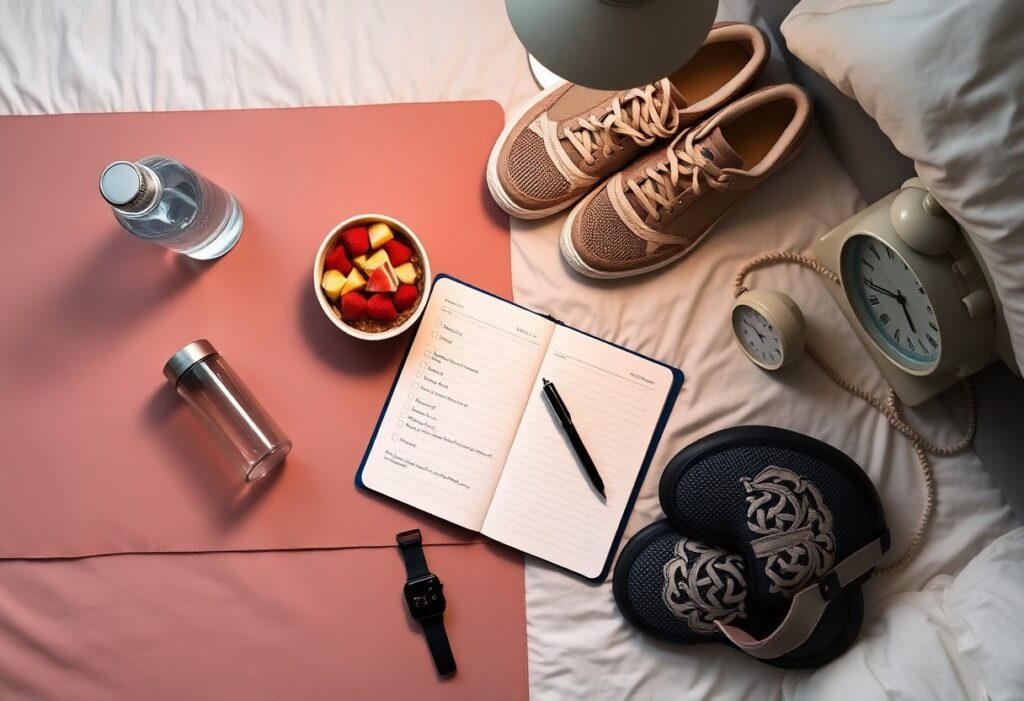

Sleep anchors your day; adopting five research-backed, easy-to-follow habits from morning through night lowers stress and restores deeper sleep. You’ll get a step-by-step, practical plan-backed by science-to shift routines, manage cortisol, and prime your nervous system for better nights and calmer days.
Habit 1 – Morning Reset: Sunlight, Movement, Hydration
First 30 minutes: natural light exposure and gentle movement
Within the first 30 minutes after waking, get 10-20 minutes of morning light and 10-15 minutes of gentle movement-walking, dynamic stretches, or yoga-to reduce sleep inertia and align your circadian rhythm. Natural light suppresses residual melatonin and supports the cortisol awakening response, while low-intensity activity raises alertness without causing a stress spike; keep intensity comfortable (you should be able to speak) and prioritize outdoor light over artificial indoor lighting when possible.
Hydration, breakfast timing, and stabilizing morning stress response
Drink 300-500 mL of water within 30 minutes of waking to restore fluid balance and help moderate morning cortisol, then eat within 45-90 minutes to stabilize blood sugar. Aim for 20-30 g of protein plus fiber-rich carbs (oats, fruit, veg) at breakfast to blunt glucose swings; avoid sugary cereals that provoke insulin and stress responses. If you consume caffeine, delaying coffee 60-90 minutes can reduce overlap with the cortisol peak around 30-45 minutes after wake.
You can combine two eggs or 150 g Greek yogurt with a tablespoon of chia, berries, and 15-30 g nuts (roughly 20-30 g protein and 5-8 g fiber); or choose oats with milk and a scoop of protein plus fruit. When you exercise in the morning, add 200-300 mL extra water and a small carb (banana or toast) to support performance and blunt cortisol spikes. Adding a pinch of salt or an electrolyte tablet after heavy sweating helps you retain fluids and recover faster.
Habit 2 – Midday Mindfulness to Reduce Stress
Slide a structured pause into your noon routine to interrupt cortisol peaks and reset focus: 5-15 minutes of deliberate breathing or movement after lunch lowers reactivity and improves afternoon productivity. You can pair this with a short walk, a screen-free tea, or a 2-5 minute grounding practice at your desk to reduce rumination and sharpen decision-making for the rest of the day.
Short breathing exercises and micro-meditations
Practice box breathing (4-4-4-4), the 4-7-8 cycle, or a 2-minute body-scan to quickly shift physiology; set your phone timer and repeat three cycles to see heart rate drop and attention tighten. You can do these seated, standing, or lying down-aim for 2-10 minutes per session and use them before meetings or after stressful emails to clear mental clutter.
Strategic breaks, task batching, and pacing energy
Use the Pomodoro or 90-minute ultradian blocks to batch similar tasks-schedule deep work in 60-90 minute chunks and reserve 15-30 minute recovery breaks for low-effort tasks or movement. You should check email only twice daily, group phone calls back-to-back, and protect at least one uninterrupted block for complex problem-solving to prevent decision fatigue and cumulative stress.
Map your energy across the day by logging task difficulty for three days, then align high-focus work with your peak windows (often morning or post-break); try a 50/10 rhythm for sustained output or a 25/5 Pomodoro for tighter focus. Combine a 10-20 minute midday walk or mobility routine with a light snack to restore glucose and cognitive performance, and batch administrative chores into two fixed slots to limit context-switching and preserve deep-focus capacity.
Habit 3 – Smart Stimulus Management for Calm Alertness
Manage light, sound and activity so your nervous system stays balanced: aim for 20-30 minutes of bright morning exposure (light therapy uses ~10,000 lux) to boost daytime alertness, dim lights and reduce blue light within 90 minutes of bedtime to let melatonin rise, and use brief sensory controls-white noise, earplugs, or a dim lamp-to downregulate stress when you need calm focus. These small environmental tweaks shift physiology more reliably than willpower alone.
Caffeine timing and movement-based resets
Caffeine’s average half-life is about five hours (3-7 hours range), so avoid late-afternoon doses and prefer 80-120 mg in the morning or early afternoon; pair short movement resets-2-5 minutes of brisk walking, stair climbs, or bodyweight intervals-to convert stimulant-driven jitter into focused energy and reduce post-lunch droop more effectively than caffeine alone.
Nutrition choices and brief restorative naps
Choose low-glycemic carbs plus 10-20 g protein and some healthy fat for sustained energy-examples: apple with 1 tbsp almond butter or Greek yogurt with berries-and schedule 10-20 minute naps during the 1-3 pm window to restore alertness without heavy sleep inertia, keeping naps short and in a cool, dim place.
For practical implementation, pack quick snacks (a ¾-cup Greek yogurt, a small banana with 12 almonds, or a hard-boiled egg plus whole-grain cracker) to hit that protein + fiber target; if you use a “coffee nap,” drink ~200 mg caffeine then nap 20 minutes so the stimulant kicks in as you wake. Set an alarm, keep naps ≤20 minutes, and avoid napping after 4 pm to protect nighttime sleep.

Habit 4 – Evening Wind‑Down: Digital Sunset and Relaxation Rituals
You set a deliberate digital sunset by cutting bright, blue‑rich screens 60 minutes before bed, switching household lamps to warm (≤3000K) bulbs, and dimming room light to a soft level. Studies link evening short‑wavelength exposure (~460 nm) to delayed melatonin onset, so you’ll improve sleep latency by reducing that input; practical changes-charging devices outside the bedroom and using amber bedside lighting-lower nighttime alertness and signal your body to shift toward sleep.
Screen tapering, light management, and tech boundaries
You taper screens by scheduling a 60‑minute wind‑down: enable night‑shift/warm color 1-2 hours before bed, reduce brightness to the lowest comfortable level, and activate app time limits for social feeds. You can also switch devices to grayscale after sunset, set automatic Do Not Disturb, and place chargers across the room so you avoid night checks; these simple barriers cut reactive phone use and blunt alerting notifications that fragment sleep.
Calming activities: journaling, low-intensity stretches, and rituals
You choose short, repeatable rituals-five minutes of gratitude or “brain dump” journaling, 10-15 minutes of low‑intensity stretching (neck rolls, hip openers, forward folds), and a 5-7 minute breathing or progressive muscle relaxation sequence. You can add a warm shower or herbal tea (caffeine‑free) as cueing rituals; consistent timing and minimal variety help condition your nervous system to downshift each night.
For implementation, try a 25‑minute routine: 5 minutes of focused journaling (list three concrete positives from the day and one task for tomorrow), 10 minutes of a stretch flow targeting hamstrings, hips, and chest, then 10 minutes of breathing-box breathing (4‑4‑4‑4) or 7‑count exhale breaths-and a 3‑minute body‑scan where you tense and relax major muscle groups for 5 seconds each. You’ll get clearer benefits when you repeat the same sequence nightly, since predictable cues strengthen the parasympathetic response and reduce pre‑sleep rumination.
Habit 5 – Optimize Sleep Environment and Pre‑Sleep Routine
Bedroom cues: temperature, darkness, noise control, bedding
Set your bedroom to 16-19°C (60-67°F) and aim for light levels under about 3 lux, since small LEDs can suppress melatonin. Use a fan or white‑noise machine to stabilize sound, keeping intermittent noise ideally below ~30 dB, and choose breathable, moisture‑wicking sheets if you run hot or insulating layers if you run cold. Pick a medium‑firm mattress for spinal support and cover bright displays or switch them to red tones to preserve physiological darkness.
Bedroom Cues and Quick Actions
| Cue | Quick action for you |
|---|---|
| Temperature | Set 16-19°C (60-67°F); use a fan, heater, or breathable bedding to stay in range. |
| Darkness | Block light to <3 lux with blackout curtains; cover LEDs or use red‑toned night lights. |
| Noise | Keep ambient noise <30 dB; use earplugs or white‑noise at 40-50 dB if needed. |
| Bedding | Match materials to your thermal profile-cotton/linen for hot sleepers, insulating layers for cold; medium‑firm mattress for many people. |
Consistent schedule and behavioral cues to promote sleep onset
Stick to a fixed bedtime and wake time within 30-60 minutes every day to anchor your circadian rhythm; consistent timing is linked to better sleep efficiency and daytime alertness. Dim lights and cut screens 60-90 minutes before bed to boost melatonin secretion, stop caffeine 6-8 hours before sleep (caffeine half‑life ≈5-6 hours), and build a 20-30 minute wind‑down-gentle stretching, reading, or breathing exercises-to signal your body that sleep is next.
Adopt stimulus control: use your bed only for sleep and sex so your environment cues sleep. If you’re awake more than 20 minutes, get up and do a quiet, dim‑lit activity until sleepy. Get 10-15 minutes of bright morning light within 30 minutes of waking to reinforce circadian timing, limit naps to ≤20 minutes before 3 p.m., and when needed adjust time in bed to target sleep efficiency ≥85% as you improve consolidation.
Practical Implementation and Troubleshooting
Habit stacking, gradual adoption, and tracking progress
Start small: pair a 2-5 minute breathing or stretch routine with an existing cue, like your morning coffee or bedtime teeth brushing. Add no more than one new habit per week and expect automaticity to take weeks-research often cites ~66 days to form stable routines. Track concrete metrics: sleep duration, sleep latency, a daily mood score (1-5), and optional HRV from a wearable. Use simple tools-paper habit trackers, Streaks, or a calendar-and celebrate 7-day streaks to maintain momentum.
Adapting for shift work, travel, and common barriers
When schedules vary, use timed light exposure and darkness: 10,000-lux bright light for 20-30 minutes at wake time and blackout curtains or an eye mask for daytime sleep. Limit naps to 20-30 minutes for quick recovery or a single 90-minute nap when you need deeper rest. Manage stimulants by avoiding caffeine 4-6 hours before your planned sleep window, and pack a white-noise device or noise-cancelling earphones to protect sleep in noisy environments.
For more targeted adaptation, shift your circadian phase by 30-60 minutes per day when traveling-moving earlier for eastward travel and later for westward-and combine that with low-dose melatonin (0.5-1 mg for sensitivity, up to 3 mg if tolerated) 30-90 minutes before desired sleep for 1-3 nights. If you work rotating shifts, favor forward rotation (day → evening → night) when possible and anchor a core 3-4 hour sleep block daily, adding strategic naps to reach 7-8 total hours. Practical gear-portable blackout covers, earplugs, timed light apps, and a strict calendar sleep block-reduces friction; one workplace trial showed scheduled nap breaks for night-shift nurses improved alertness and reduced self-reported errors, illustrating how small structural changes can yield measurable benefits.
Conclusion
With this in mind, you can make a simple Daily Reset part of your routine: anchor mornings with movement and intention, pace your day with micro-breaks, limit stimulants, unwind with a consistent evening ritual, and prioritize sleep-friendly habits. By practicing these five steps consistently, you reduce stress and reliably improve your sleep quality.