
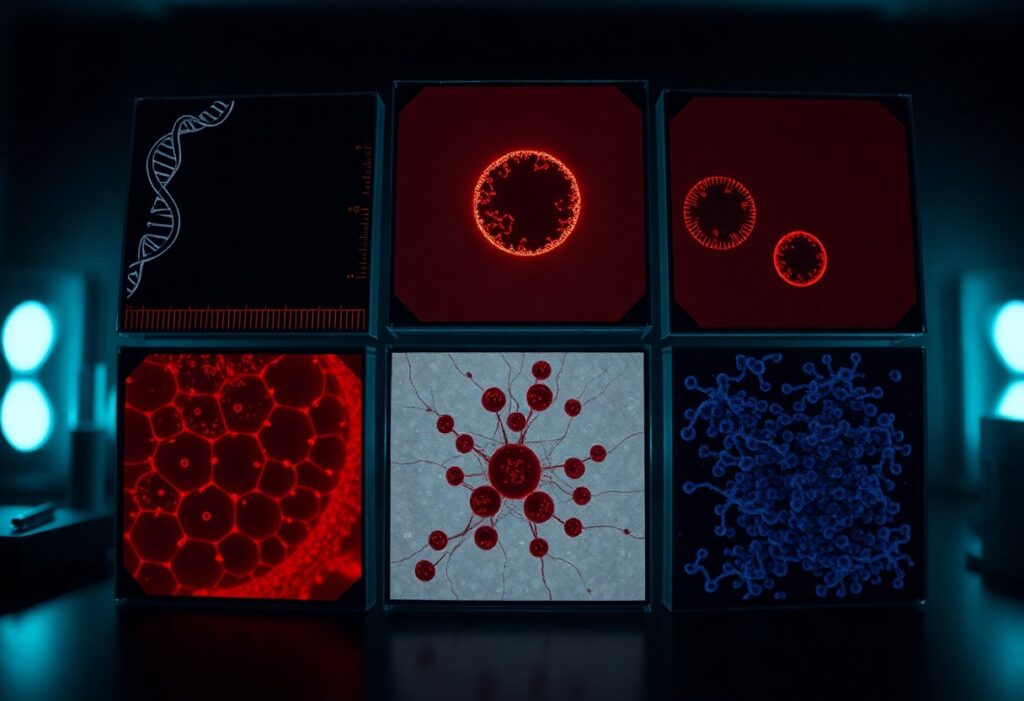

There’s a subtle but measurable decline in how well your body repairs itself as cells age, and this post distills six signals that indicate your repair capacity is waning. You’ll learn how persistent fatigue, slow wound healing, chronic inflammation, muscle loss, cognitive slowdown and increased infections reflect cellular senescence and diminished regenerative signaling, with practical markers and steps to assess and address each.
What is cellular aging?
You witness cellular aging as progressive loss of repair and resilience: telomeres shorten roughly 50-100 base pairs per somatic cell division, DNA sustains ~10,000 endogenous lesions per cell per day, and senescent cells can rise from under 1% in young tissue to 10-20% with age. These shifts impair your tissues’ ability to clear damage, raise local inflammation, and slow processes like wound closure-which can be 30-50% slower in older adults-undermining overall repair capacity.
Key definitions: repair capacity, cellular senescence, homeostasis
Your repair capacity is the net ability of cells and stem pools to detect, remove, and replace damaged components; when it falls, healing falters. Cellular senescence is a stable cell‑cycle arrest accompanied by a SASP rich in IL‑6, IL‑8 and MMPs that degrades nearby matrix. Homeostasis means steady internal function-ion gradients, proteostasis, and metabolic balance-whose loss magnifies damage and tips tissues toward degeneration.
Hallmarks most relevant to tissue repair
Telomere attrition, persistent DNA damage, senescence/SASP, stem‑cell exhaustion, impaired autophagy, chronic low‑grade inflammation (inflammaging), and extracellular matrix stiffening (AGEs and crosslinks) are the hallmarks that hit repair hardest. Each drives specific failures-reduced fibroblast proliferation, excess MMP activity, diminished satellite cell activation, and stiffer ECM that impedes cell migration-converging to slow regeneration and increase fibrosis.
Mechanistically, senescent cells secrete proteases and cytokines that both prevent neighboring cell proliferation and remodel ECM; for example, elevated MMPs cleave collagen while AGEs increase crosslinking and stiffness. Interventions illustrate causality: clearance of p16Ink4a+ senescent cells in mice (Baker et al., 2016) delayed multiple age phenotypes, and small human pilots using dasatinib+quercetin showed functional gains and reduced senescence markers. You can target autophagy (exercise, intermittent fasting) or senescent cells to partially restore repair capacity.
The 6 critical signals that your body is losing repair capacity
You’ll notice a cluster of measurable signs that repair systems are failing: persistent, low‑grade inflammation; slower wound closure; buildup of senescent cells with a harmful secretome; progressive muscle loss and weakness; falling mitochondrial ATP output; and shortening telomeres with weaker DNA repair. Each signal links to specific biomarkers (CRP, IL‑6, p16INK4a), functional declines (slower gait, delayed wound closure) and higher risk of chronic disease, and together they predict reduced resilience and higher morbidity as you age.
Chronic low‑grade inflammation (inflammaging)
You may have mildly elevated CRP or IL‑6 without an obvious infection – that persistent inflammatory tone fuels tissue damage over years. Values like CRP persistently above ~3 mg/L or chronically raised IL‑6 associate with higher cardiovascular and frailty risk, and this background inflammation interferes with regeneration by altering stem cell niches and immune clearance.
Slower wound healing and impaired tissue regeneration
You’ll see wounds that take noticeably longer to close and skin that thins; older adults often experience weeks instead of days for re‑epithelialization, and surgical recovery times increase. Reduced angiogenesis, slower keratinocyte migration and diminished growth factor signaling all slow repair, raising infection and scarring risk.
Mechanistically, macrophage polarization shifts, fibroblast proliferation falls, and local stem/progenitor cells become less responsive-VEGF and TGF‑β signaling decline and extracellular matrix remodeling becomes dysregulated. Clinically this shows as chronic ulcers (e.g., diabetic foot ulcers persisting months), weaker graft integration, and higher postoperative complication rates in people over 65.
Accumulation of senescent cells and a damaging SASP
You’ll accumulate cells that stop dividing but secrete inflammatory cytokines, proteases and growth factors (the SASP), which amplify local damage and attract immune cells that fail to clear them. Senescent cell burden rises with age in adipose, lung and joint tissues and drives nearby cell dysfunction and fibrosis.
SASP components like IL‑6, IL‑8 and MMPs remodel extracellular matrix and propagate senescence paracrinely, contributing to osteoarthritis and pulmonary fibrosis. Small human trials of senolytics (dasatinib plus quercetin) have reported improved walking distance and reductions in senescence markers, indicating that removing senescent cells can partially restore tissue function.
Progressive muscle loss, weakness and frailty
You’ll lose muscle mass and strength progressively: adults typically lose 3-8% of muscle mass per decade after 30, accelerating after 60, which translates into slower gait speed and higher fall risk. This sarcopenic change reduces metabolic reserve and independence.
Underlying causes include anabolic resistance to protein and exercise, loss of motor units, satellite cell decline and chronic inflammation. As muscle cross‑sectional area and power fall, risk of hospitalization, disability and mortality rises; targeted resistance training and higher protein intake (about 1.2-1.5 g/kg/day) are evidence‑based countermeasures.
Declining mitochondrial function and bioenergetic failure
You’ll have tissues that make less ATP and generate more reactive oxygen species; muscle and brain cells become energetically fragile. Age‑related declines in mitochondrial respiration and increased mtDNA damage correlate with fatigue, insulin resistance and neurodegeneration.
Key drivers are impaired mitophagy, accumulation of dysfunctional mitochondria, and lower NAD+ levels that blunt sirtuin/PGC‑1α signaling. Interventions that boost mitophagy or NAD+ precursors (NR, NMN) improve mitochondrial markers in animals and show modest metabolic and functional signals in early human trials.
Telomere shortening and compromised DNA repair
You’ll experience progressive telomere attrition and less efficient DNA repair pathways, increasing genomic instability and the chance a cell will senesce or die. Telomeres shorten with each cell division (on the order of tens of base pairs per year), and accelerated shortening links to smoking, obesity and chronic stress.
When telomeres become critically short, the DNA damage response induces senescence or apoptosis; concurrently, homologous recombination and nucleotide excision repair efficiency decline, elevating mutation burden. Clinical consequences include higher cancer risk, tissue dysfunction in high‑turnover organs, and accelerated aging syndromes when repair pathways are genetically impaired.
How these signals are detected
You detect declining repair capacity by layering molecular readouts, functional tests and clinical scores: low‑grade inflammation (CRP >3 mg/L, IL‑6 >2-3 pg/mL) flags systemic stress, telomere shortening (~20-40 bp/year) and reduced mitochondrial OCR/ATP indicate cellular dysfunction, and slowed gait or poor wound closure points to impaired tissue recovery. Combining assays raises predictive power-for example, older adults with high IL‑6 plus grip weakness have substantially higher hospitalization risk than either measure alone.
Biomarkers and lab tests (CRP, IL‑6, telomere measures, mitochondrial assays)
You rely on high‑sensitivity CRP and IL‑6 for inflammation (CRP >3 mg/L, IL‑6 >2-3 pg/mL), qPCR or Southern blot for leukocyte telomere length, and Seahorse OCR/ATP assays or JC‑1 membrane‑potential stains for mitochondria. Telomere tests report kilobase length differences and labs note variability; mitochondrial function labs quantify basal/maximal respiration and spare capacity, which drop markedly with age-related decline.
Functional assessments (wound tests, grip strength, frailty indices)
You use simple, validated measures: handgrip dynamometry (men <27 kg, women <16 kg suggests sarcopenia), gait speed (<0.8 m/s indicates mobility risk), timed up‑and‑go (>12 s shows impairment), and frailty scales (Fried: 3+ criteria = frail). Wound tests-small punch or tape‑strip models-track re‑epithelialization; delayed closure beyond expected 7-14 days signals reduced repair.
You administer grip testing with a calibrated dynamometer (three trials, best result recorded), measure gait speed over 4 m for reliability, and use the Fried phenotype (unintentional weight loss, exhaustion, low activity, slowness, weakness) to score frailty; 3+ positive items predicts roughly a two‑ to threefold increase in mortality and hospitalization. For wound testing, a 3 mm punch biopsy or standardized 5 mm tape‑strip applied under sterile conditions lets you measure epithelial gap closure and inflammatory cell infiltration over days to weeks, correlating with systemic biomarkers.
Mechanisms linking signals to reduced repair
Signals from telomere attrition, persistent DNA lesions and chronic inflammation funnel into the same repair bottlenecks: you start accumulating γH2AX foci and activating p53/p21, proteostasis becomes overwhelmed, and autophagic clearance falls behind. Telomeres shorten roughly 50-200 base pairs per division, which directly triggers DNA damage responses that suppress proliferation and repair programs, while the senescence-associated secretory phenotype (SASP) amplifies local tissue dysfunction and impairs regenerative cell recruitment.
Cellular pathways: DNA damage response, proteostasis, autophagy deficits
At the molecular level you see ATM/ATR and PARP signaling shift cells into longer arrest or senescence, with p53-driven transcription lowering stem cell proliferation. Protein quality control weakens as chaperones and the ubiquitin-proteasome system struggle to clear misfolded proteins, and mTOR hyperactivity suppresses ULK1/Beclin-1-dependent autophagy. Clinically relevant interventions such as rapamycin or AMPK activators can partially restore autophagic flux and improve repair in aged tissues.
Systemic drivers: metabolic dysfunction, oxidative stress, immune senescence
When you develop insulin resistance or metabolic syndrome, systemic inflammation rises-CRP and IL‑6 frequently increase twofold-while chronic hyperglycemia promotes advanced glycation end products that stiffen extracellular matrix and impede repair. Mitochondrial ROS production climbs, damaging lipids and DNA, and immune senescence reduces your NK and T cell surveillance so senescent cells accumulate and wound clearance slows, compounding tissue decline.
Digging deeper, insulin resistance diverts glucose into the polyol and hexosamine pathways, depleting NADPH and glutathione so your antioxidant defenses drop; AGEs crosslink collagen, delaying re-epithelialization after injury. Mitochondrial DNA deletions and impaired mitophagy increase ROS output, and thymic involution cuts naive T‑cell output by ~90-95% over adulthood, narrowing your adaptive response. Together these metabolic and immune shifts blunt progenitor recruitment, efferocytosis and remodeling, explaining slower healing and progressive organ dysfunction.
Evidence‑based interventions to preserve or restore repair capacity
If your repair capacity is slipping, combine proven lifestyle changes with targeted therapies: regular aerobic and resistance exercise, a Mediterranean-style diet, 7-9 hours of nightly sleep and stress reduction produce measurable improvements in mitochondrial function, inflammation and autophagy; meanwhile clinical and preclinical interventions-senolytics, NAD+ precursors, metformin and cell-based therapies-are showing reductions in senescent-cell burden, restored NAD+ pools and functional gains in small trials.
Lifestyle strategies: exercise, diet, sleep, stress management
You should aim for ≥150 minutes/week of moderate aerobic activity plus two resistance sessions weekly to preserve muscle and stimulate PGC-1α-driven mitochondrial biogenesis; adopt a Mediterranean-style diet rich in olive oil, fatty fish and polyphenols to lower systemic inflammation; target 7-9 hours of consolidated sleep to support DNA repair and glymphatic clearance; and use brief daily practices (10-20 minutes of mindfulness or HRV biofeedback) to blunt cortisol and the pro‑inflammatory SASP.
Medical and emerging therapies: senolytics, NAD+ precursors, metformin, cell therapies
You can consider investigational and repurposed agents under medical supervision: intermittent senolytic regimens (e.g., dasatinib + quercetin in pilot studies) selectively clear senescent cells; NAD+ precursors such as NR or NMN (commonly 250-1,000 mg/day in trials) raise cellular NAD+ and support sirtuins; metformin-being tested in the TAME paradigm-activates AMPK and may lower age-related inflammation; and mesenchymal cell or exosome therapies seek to restore tissue repair in small randomized or open‑label studies.
Mechanistically, senolytics trigger apoptosis in cells that rely on pro‑survival networks (BCL‑2, PI3K/AKT), with early human pilots reporting reduced senescence markers and functional gains; NAD+ boosters replenish NAD+ pools to reactivate sirtuins and mitochondrial function (multiple trials show dose-dependent blood NAD+ increases with NR/NMN); metformin reduces hepatic gluconeogenesis, activates AMPK and dampens SASP cytokines; and MSC/exosome therapies deliver trophic factors that modulate immunity and enhance regeneration-safety and larger RCTs are still needed for definitive guidance.
Clinical implications and practical steps
You should prioritize targeted assessment and a stepwise plan when multiple cellular-aging signals appear: baseline bloodwork (CBC, CMP, lipid panel, HbA1c, CRP, vitamin D, TSH), functional tests (grip strength, gait speed, body composition), and focused imaging or DEXA as indicated. Early lifestyle interventions-resistance training, protein intake 1.2-1.5 g/kg, 7-9 hours sleep-paired with risk-guided pharmacology can slow decline; track objective metrics every 3-12 months to judge response.
When to seek assessment and which specialists to consult
If you develop unexplained muscle loss, recurrent infections, rapid cognitive change, early osteoporosis, or metabolic instability before age 60, seek evaluation. Start with a primary care physician or geriatrician for comprehensive frailty and metabolic screening; add endocrinologists for hormonal/metabolic dysfunction, cardiologists for vascular risk, rheumatologists for inflammatory disease, dermatologists for photodamage/skin biopsy, and a clinical nutritionist or physiotherapist for tailored interventions.
Monitoring, prevention plans and realistic expectations
You should expect slowing or stabilization rather than reversal; measurable gains often appear in 3-12 months (strength, HbA1c, lipids), while cellular markers change slowly. Set specific targets-grip strength >26 kg men/16 kg women, gait speed >0.8 m/s, CRP <1 mg/L-and reassess interventions quarterly to yearly depending on risk.
Adopt a structured monitoring plan: baseline labs and functional measures, repeat basic labs and grip/gait every 3-6 months for active interventions, DEXA every 1-3 years if bone loss is present, and comprehensive review annually. Track quantifiable goals (body composition, HbA1c <6.5% if diabetic, LDL per cardiovascular risk, vitamin D >30 ng/mL). For interventions, prescribe progressive resistance training 2-3×/week, aim for 1.2-1.5 g/kg protein daily with 20-40 g per meal, prioritize sleep hygiene and stress reduction, and consider metformin or omega-3s when indicated-discuss experimental agents (rapalogs, senolytics) with specialists and view them as investigational. Use objective improvement (strength, gait, lab targets) to guide de-escalation or intensification and set patient-centered timelines so you have realistic, measurable expectations rather than promises of reversal.
Summing up
Drawing together, the six signals show how cellular aging undermines your body’s repair capacity, guiding you to monitor inflammation, persistent fatigue, slow wound healing, cognitive decline, muscle loss, and metabolic shifts. By recognizing these signs early and acting through lifestyle, medical review, and targeted interventions, you can slow degeneration and preserve function, extending resilience and quality of life.