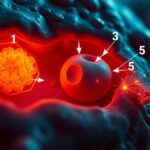


There’s mounting evidence that environmental stressors sabotage cellular function; this top-10 guide arms you with practical, science-backed strategies to protect your cells, accelerate recovery, and sustain metabolic and immune resilience in everyday life.
Boost antioxidant defenses
You can strengthen your cells against environmental stress by enhancing antioxidant defenses through diet, targeted supplements, and lifestyle choices that reduce oxidative load. Prioritize foods and nutrients that support endogenous systems like Nrf2 and glutathione, optimize sleep and exercise, and limit toxin exposure so your cells recover more efficiently and maintain redox balance.
Nrf2-activating foods
You should include Nrf2-activating foods such as cruciferous vegetables (broccoli, Brussels sprouts, kale), turmeric (curcumin), green tea, garlic, and colorful berries. These compounds stimulate cellular defense pathways that boost antioxidant enzyme production, enhancing your ability to neutralize reactive species and protect cellular structures from damage.
Glutathione precursor support
You can support glutathione synthesis by supplying precursors and cofactors: cysteine-rich foods or supplements (NAC), high-quality protein (whey, eggs, poultry), glycine sources, and adequate vitamin C, B6, selenium, and magnesium to optimize enzymatic activity and regeneration of glutathione pools.
For practical steps, eat sulfur-containing vegetables (onion, garlic, Brussels sprouts), include high-quality proteins, and consider NAC or glycine supplements if dietary intake is insufficient. Pair precursors with supportive nutrients like vitamin C and selenium; consult a clinician before starting supplements if you have medical conditions or take medications to ensure safe, effective dosing for your recovery goals.
Reduce oxidative stress
You can lower oxidative stress by strengthening your antioxidant defenses and minimizing exposures that generate free radicals. Emphasize a diet rich in colorful fruits and vegetables, prioritize restorative sleep, maintain steady physical activity, and limit alcohol and processed foods to support cellular repair and long-term resilience.
Limit pollution and smoke
You should reduce time spent in high-traffic areas, avoid indoor smoking, and improve indoor air with ventilation and HEPA filtration. Use masks in polluted environments, choose low-emission household products, and avoid wood or biomass smoke to protect your lungs and reduce systemic oxidative burden.
Avoid pro-oxidant exposures
You should minimize contact with known pro-oxidants like heavy metals, certain pesticides, excessive iron or copper supplements, and unnecessary prescription drugs that increase oxidative load. Opt for safer alternatives, follow safety guidelines at work, and reduce intake of highly processed, oxidized fats.
You can further protect cells by testing and filtering your water for heavy metals, choosing organic produce when possible, using protective clothing and sunscreen to limit UV exposure, and discussing chelation or detox therapies with a clinician if occupational exposures occur; avoid self-prescribing high-dose minerals or unregulated supplements that may act as pro-oxidants.
Support mitochondrial function
You can strengthen mitochondrial resilience by optimizing nutrient intake, steady aerobic activity, restorative sleep, and reducing toxin exposure; these practices help preserve membrane integrity, lower oxidative strain, and maintain efficient energy conversion so your cells recover faster after environmental stressors.
CoQ10 and carnitine
You should consider CoQ10 and carnitine to support electron transport and fatty acid shuttling into mitochondria; CoQ10 reduces oxidative damage while carnitine enhances fuel delivery. Dietary sources and targeted supplements can restore levels depleted by age, medications, or chronic stress-discuss dosing with your clinician.
Ensure ATP production
You can protect ATP production by supplying substrates and cofactors-stable glucose or fatty acid availability, B vitamins, magnesium, iron, and oxygen-while minimizing mitochondrial toxins and excessive inflammation. Regular moderate exercise and adequate sleep also stimulate biogenesis and improve ATP turnover for recovery.
You can research deeper by supporting the electron transport chain and oxidative phosphorylation: ensure adequate B2, B3, B6, B12 and magnesium for enzymatic function, maintain iron and copper for electron carriers, and preserve membrane phospholipids to sustain proton gradients; interventions like interval training and targeted nutrients increase mitochondrial density and ATP capacity.
Maintain membrane integrity
You maintain membrane integrity by supporting lipid composition, fluidity, and antioxidant defenses so membranes can recover from oxidative and physical stress. Prioritize dietary lipids that stabilize the bilayer, limit pro-inflammatory signaling, and supply repair building blocks. Practical steps include balanced omega-3 intake, phospholipid-rich foods, and antioxidants to reduce lipid peroxidation and preserve cellular function.
Omega-3 fatty acids
You include EPA and DHA to incorporate into membranes, increasing fluidity, dampening inflammatory cascades, and enhancing resilience to stress. Consume fatty fish, algal oils, or supplements to shift composition away from pro-inflammatory omega-6 derivatives. Regular intake helps maintain signaling fidelity, mitochondrial performance, and faster membrane repair during environmental challenges.
Phospholipid-rich nutrition
You boost repair by eating phospholipid-rich foods-egg yolks, soy, organ meats, and sunflower lecithin-that provide phosphatidylcholine and other headgroups critical for bilayer structure, curvature, and fusion. These nutrients supply the structural components needed to replace damaged lipids and optimize membrane-associated protein function during recovery.
Supplement options like phosphatidylcholine, citicoline, and sunflower lecithin give concentrated, bioavailable phospholipids; you combine them with dietary choline and healthy fats to enhance incorporation into membranes. Pairing these with antioxidants such as vitamin E and polyphenols protects newly integrated phospholipids from peroxidation, improving the durability of repairs and supporting barrier and signaling functions.
Promote detoxification pathways
You can enhance cellular recovery by supporting your body’s detoxification pathways-optimizing liver phase I and II enzyme balance, maintaining glutathione levels, and supplying key micronutrients like B vitamins, selenium, and zinc. Hydration, dietary fiber, regular exercise, and sleep improve clearance of waste and reduce oxidative burden, helping your cells restore function more effectively.
Phase I and II support
You need a balanced approach: phase I enzymes transform compounds, while phase II enzymes conjugate them for safe excretion. Support phase II with glutathione precursors (N-acetylcysteine, glycine), sulfur-containing foods, and adequate B vitamins and magnesium; provide antioxidants to neutralize reactive intermediates so your cells avoid additional damage.
Sulforaphane and milk thistle
You benefit from sulforaphane, which induces phase II and antioxidant defenses, and milk thistle (silymarin), which stabilizes liver cell membranes and supports glutathione regeneration. Together they enhance detox capacity, lower oxidative stress, and promote cellular recovery when used as part of a broader detox strategy.
Broccoli sprouts and other crucifers supply sulforaphane precursors-activate them by chopping or chewing and wait ~15 minutes to form myrosinase-driven sulforaphane. Standardized milk thistle extracts (commonly 80% silymarin, typical 200-420 mg/day) show liver-protective effects. Start low, monitor response, and if you take medications metabolized by CYP enzymes, consult your healthcare provider about potential interactions.
Reduce chronic inflammation
Inflammation is a persistent energy drain on your cells; you can lower it by combining an anti-inflammatory diet, regular movement, restorative sleep and stress management. Prioritize whole foods rich in antioxidants, limit processed sugars and industrial seed oils, and support repair with adequate protein, vitamin D and targeted omega-3s. Small, consistent changes reduce inflammatory signaling and accelerate cellular recovery.
Anti-inflammatory diet
An anti-inflammatory diet centers on colorful vegetables, berries, fatty fish, nuts and olive oil while minimizing refined carbs, added sugars and processed seed oils. You should include spices like turmeric and ginger, prioritize fiber and fermented foods for gut health, and keep portion control to avoid metabolic strain. Consistent eating patterns stabilize your immune responses and support cellular repair.
Targeted omega-6 reduction
Targeted omega-6 reduction means reducing excess linoleic acid from corn, soybean, sunflower and safflower oils and limiting deep-fried and highly processed foods. You replace those fats with extra-virgin olive or avocado oil, increase oily fish and flax or chia, and moderate high-omega-6 nuts. That shift helps rebalance your omega-6:omega-3 ratio and lower pro-inflammatory signaling.
Practical steps include reading labels for “vegetable oil” or “partially hydrogenated” terms, cooking with stable low-linoleic fats, avoiding frequent restaurant fried foods, and choosing whole-food snacks over seed-oil-rich chips. Aim to lower your omega-6 intake while boosting marine or algal omega-3s; many experts target a ratio under 4:1. Track changes over weeks and pair dietary shifts with exercise and sleep to magnify cellular recovery.
Optimize cellular hydration
Hydration at the cellular level supports metabolic reactions, nutrient transport, and waste removal. You can optimize cellular hydration by drinking water regularly, consuming hydrating foods, and supporting osmotic balance with electrolytes. Consistent hydration improves membrane flexibility and enzyme function, helping your cells recover from environmental stressors more effectively.
Proper electrolyte balance
Electrolytes like sodium, potassium, magnesium, and chloride maintain membrane potential and fluid distribution. You should balance these through a mix of whole foods, mineral-rich beverages, and targeted supplementation when necessary. Adequate electrolytes prevent cell shrinkage or swelling, preserve signaling pathways, and support recovery after heat, exercise, or toxin exposure.
Avoid chronic dehydration
Chronic dehydration reduces intracellular volume, impairs ATP production, and increases oxidative stress, slowing recovery. You can monitor urine color, thirst cues, and daily fluid intake to detect ongoing deficits. Prioritize steady hydration across the day rather than large boluses; this keeps your cells consistently supplied and resilient.
If you experience frequent headaches, fatigue, dry mouth, or reduced cognitive clarity, your body may be in a chronic low-hydration state. You should set simple habits: drink a glass on waking, carry a water bottle, include soups and fruits, and adjust intake for heat, alcohol, and diuretics. Small, habitual steps sustain cellular recovery.
Protect DNA repair
Your cells rely on efficient DNA repair to recover from environmental damage; you can support this by reducing oxidative stress, avoiding toxins, prioritizing sleep and movement, and supplying targeted nutrients. Optimizing NAD+ and methylation capacity, maintaining balanced metals, and controlling inflammation keeps repair pathways active so your genome stays resilient and damage gets resolved promptly.
Folate and niacin
Folate fuels one-carbon metabolism for nucleotide synthesis and methylation, while niacin forms NAD+, a substrate for many repair enzymes. You should consume leafy greens, legumes, and B-vitamin rich foods or consider supplementation when needed, ensuring adequate B12 if you take folate to support accurate repair and methylation processes.
Enhance repair enzymes
You can enhance repair enzyme activity by optimizing NAD+ availability, supplying important cofactors like magnesium and zinc, and reducing chronic inflammation that impairs function. Lifestyle measures such as regular exercise, controlled fasting, and a diet rich in polyphenols help maintain enzyme efficiency and support timely DNA lesion recognition and resolution.
To further boost repair enzymes, you can use NAD+ precursors (nicotinamide riboside or NMN), prioritize sleep and circadian alignment to support enzyme rhythms, and include foods high in polyphenols and sulfur amino acids to aid redox balance. Avoid excess alcohol and heavy metals which inhibit repair, and discuss targeted supplementation with a clinician to tailor doses to your needs.
Modulate stress response
You can reduce cellular wear by modulating your stress response through sleep, nutrition, physical activity, and targeted recovery strategies that lower systemic inflammation and oxidative burden. Managing cortisol rhythms and vagal tone helps preserve mitochondrial function and supports faster cellular repair after environmental insults.
Support HPA resilience
To support your HPA resilience, stabilize daily routines, prioritize consistent sleep, moderate caffeine, and use adaptogenic herbs under supervision. Strengthened HPA regulation reduces dysregulated cortisol exposure, protecting your immune balance and metabolic signaling that sustain cellular recovery.
Mind-body interventions
Mind-body interventions like paced breathing, progressive relaxation, and mindfulness reduce sympathetic activation and enhance parasympathetic tone, lowering cortisol peaks and oxidative stress. You can integrate brief practices into your day to improve stress reactivity and promote cellular repair mechanisms.
Practice 10-20 minutes of guided breathing, HRV biofeedback, or mindfulness daily to see measurable improvements in cortisol regulation and inflammation markers. Combine gentle yoga or tai chi two to three times weekly for body-mind coherence. Use smartphone apps or trained practitioners for technique and progression, and track sleep and mood to gauge benefits on your cellular recovery.
Improve circadian regulation
You can strengthen cellular recovery by aligning sleep, meals and activity with your internal clock. Consistent timing enhances melatonin signaling, DNA repair windows and mitochondrial restoration, reducing oxidative stress and improving metabolic resilience.
Consistent sleep timing
Going to bed and waking at the same times each day stabilizes your circadian rhythm, optimizing hormone cycles and repair processes. Aim for a regular sleep window, including weekends, to support sustained cellular maintenance and efficient recovery.
Light exposure management
Expose yourself to bright morning light and limit evening blue light to entrain your circadian phase; this supports timely melatonin release and sleep onset, enhancing nightly cellular repair and reducing inflammatory signaling.
Practical steps: get 10-30 minutes of natural light soon after waking, use bright indoor lighting if needed, and reduce screen exposure one to two hours before bed or use warm filters and blue‑blocking glasses. Dim household lights at night, favor red or amber tones for necessary illumination, and consider timed light therapy when dealing with shift work or jet lag to re-entrain your rhythm.
Conclusion
Following this, applying the ten protection strategies will strengthen your cells’ ability to recover from environmental insults: optimize nutrition and hydration, prioritize sleep and stress resilience, minimize toxic exposures, support antioxidant and repair pathways with targeted nutrients, and maintain consistent monitoring and lifestyle adjustments. By integrating these measures into your routine and tailoring them to your needs, you reinforce long-term cellular health and functional recovery.