
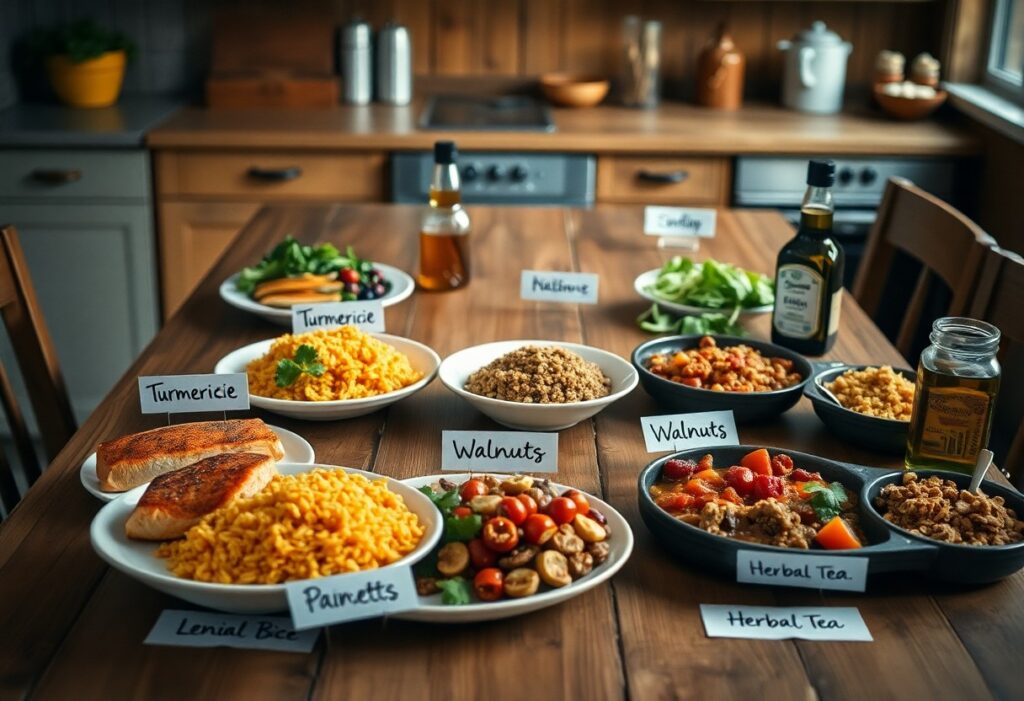

AntiInflammatory meal choices can lower inflammatory burden and support long-term healing; this list of 10 practical strategies shows you how to select whole anti-inflammatory foods, balance fats and carbs, prioritize fiber and antioxidants, time meals for steady blood sugar, and build repeatable meal plans that fit your lifestyle and health goals.
Focus whole, unprocessed foods
You build a healing diet by choosing whole foods-vegetables, fruits, legumes, whole grains, nuts, seeds, fish, and lean meats-over refined or chemical-heavy items. These foods deliver anti-inflammatory fats, fiber, vitamins, and polyphenols that support steady blood sugar, gut health, and cellular repair without additives that can provoke inflammation.
Colorful vegetables daily
You should fill at least half your plate with colorful vegetables every day to harness diverse antioxidants and phytonutrients. Mixing greens, reds, purples, and oranges gives you complementary compounds-beta-carotene, anthocyanins, and flavonoids-that reduce oxidative stress and support immune balance while providing fiber for gut healing.
Minimize packaged products
You limit processed and packaged foods because they often contain refined grains, added sugars, trans fats, and preservatives that promote inflammation. By choosing fresh or simply prepared items, you reduce exposure to inflammatory additives and control portion sizes, salt, and hidden sugars that undermine long-term healing.
You can make packaged-food avoidance practical: cook larger batches of whole foods, keep ready-to-eat vegetables washed and chopped, and carry simple snacks like nuts or fruit. When you must buy packaged items, scan labels for short ingredient lists, low added sugar, no hydrogenated oils, and minimal artificial additives to ensure the product aligns with your anti-inflammatory goals.
Prioritize omega-3 rich foods
You should make omega-3 sources a consistent part of your meals to lower chronic inflammation and support cellular repair; prioritize both marine and plant-based options, balance them with lower omega-6 foods, and rotate preferences so your plate delivers EPA, DHA, ALA, fiber, and antioxidants across the week.
Fatty fish twice weekly
You should aim for fatty fish like salmon, mackerel, sardines, or trout at least twice a week; a 3-4 ounce cooked portion provides EPA and DHA that modulate inflammatory pathways-choose grilling, baking, or poaching and prefer low-mercury or sustainably sourced options when possible.
Flax chia walnuts daily
You should add ground flaxseed, chia seeds, and a handful of walnuts to daily meals-sprinkle them on yogurt, oats, or salads-because their ALA, fiber, and polyphenols support anti-inflammatory processes and digestive health while complementing marine omega-3s.
For practical intake, include about 1 tablespoon ground flax, 1 tablespoon chia (soaked or stirred into liquids), and a small handful (about 1 ounce) of walnuts each day; grind flax for absorption, store seeds cool and airtight to prevent rancidity, and combine plant ALA with marine sources or algae oil since conversion to EPA/DHA is limited.
Choose anti-inflammatory spices
You can lower daily inflammation by using spices rich in anti-inflammatory phytochemicals – turmeric, ginger, garlic, cinnamon, rosemary, cumin and cayenne. Add them to grains, roasted vegetables, sauces and teas, rotate varieties to broaden benefits, and pair spices with healthy fats in your meals to support absorption and flavor.
Turmeric ginger garlic regularly
You should include turmeric, ginger and garlic in your regular cooking: turmeric for curcumin, ginger for gingerols and garlic for allicin. Use fresh or good-quality powder in soups, stir-fries, marinades and smoothies; frequent small doses over time help modulate inflammatory pathways and bolster antioxidant defenses.
Black pepper enhances absorption
You can enhance turmeric’s effectiveness by adding black pepper-piperine in black pepper markedly increases curcumin absorption. A pinch in dressings, sauces or golden milk makes curcumin more bioavailable so your body can better use its anti-inflammatory compounds; use moderate amounts if you take medications.
Piperine works by inhibiting enzymes that rapidly metabolize curcumin, raising blood levels and prolonging its activity. Research shows substantial increases in curcumin bioavailability when combined with piperine. Because piperine can affect drug-metabolizing enzymes and transporters, consult your clinician if you take prescription medications; culinary amounts are typically safe for most people.
Include fiber at meals
You should include fiber at every meal to steady blood sugar, support your gut microbiota, and lower systemic inflammation; pair vegetables, legumes, or whole grains with protein and healthy fats-for example a quinoa bowl with salmon and greens or lentil stew with a side salad. Start with modest portions and increase gradually so your digestion adapts while you gain lasting benefits for healing and energy.
Beans lentils whole grains
You can rely on beans, lentils, and intact whole grains as dense sources of soluble and insoluble fiber that feed beneficial microbes and moderate inflammatory responses; mash beans into spreads, add lentils to soups, and choose barley, brown rice, or farro. Soaking, rinsing, and slow cooking improve your digestion while maximizing nutrient availability for long-term healing.
Vegetables with every meal
You should aim to include vegetables at every meal to provide fiber, antioxidants, and micronutrients that support your tissue repair and lower inflammation; mix raw, steamed, and roasted options across meals, and focus on colorful choices like leafy greens, crucifers, and orange vegetables to cover a broad nutrient spectrum.
You can make vegetables effortless by batch-roasting a tray to add to bowls, tossing frozen greens into soups, and blending spinach or carrots into smoothies; aim for 1-2 cups per meal, vary textures, and flavor with herbs, citrus, or vinegars to increase intake. If your digestion is sensitive, cook vegetables until tender and introduce new types slowly so your gut adapts comfortably.
Prefer healthy fats
Choosing mainly monounsaturated fats and plant-based omega‑3s helps lower inflammation and supports long-term healing. Swap butter, margarine and processed oils for olive oil, avocados, nuts and seeds; use healthy oils for dressings and low-heat cooking, and keep portions sensible-fat is calorie-dense but enhances nutrient absorption and satiety when you prioritize quality sources.
Extra virgin olive oil
You should favor extra virgin olive oil for dressings, drizzling and gentle cooking because its polyphenols and monounsaturated fats lower inflammatory markers. Choose cold-pressed, dark-bottle varieties and store them in a cool, dark place. Add it at the end of cooking or to salads and grains to preserve antioxidants and flavor.
Avocado nuts seeds
Avocado, walnuts, almonds, chia and flax bring monounsaturated fats, fiber and plant-based omega‑3s that help soothe inflammation. You can add avocado to salads, snack on a small handful of nuts, or stir seeds into yogurt and smoothies. Keep portions moderate-a tablespoon of seeds or a small palmful of nuts provides benefits without excess calories.
For practical portions, aim for about 1/4-1/3 avocado, a 1-ounce (small handful) serving of nuts, or 1-2 tablespoons of seeds per meal. You can grind or soak flax for better omega‑3 absorption and rotate varieties to balance omega‑3 and omega‑6 intake. Store nuts and seeds in the fridge to prevent rancidity and preserve their anti-inflammatory properties.
Reduce refined carbohydrates
Refined carbohydrates drive rapid blood sugar swings and feed inflammatory pathways; you can lower systemic inflammation by reducing white bread, pastries and sugary snacks. Prioritize whole foods, more vegetables, lean proteins and healthy fats so your meals keep you satisfied and support steady healing over the long term.
Limit sugar sweetened drinks
Sugar-sweetened beverages produce quick glucose spikes and promote chronic inflammation; you should replace sodas, energy drinks and sweetened teas with water, unsweetened sparkling water or herbal tea. If you want flavor, infuse water with citrus or herbs to cut calories while keeping hydration and inflammation in check.
Choose whole grain options
Whole grains provide fiber, phytonutrients and a slower-release carbohydrate profile, so you experience fewer insulin surges; when you select bread, pasta or rice, choose whole-grain labels and minimal processing to help reduce inflammation and sustain energy throughout the day.
Opt for oats, quinoa, brown rice, barley, farro, bulgur and millet as easy swaps; you can boost nutrient density by pairing grains with beans or vegetables and controlling portions to match your activity level. When shopping, check the ingredient list for whole grain as the first item and avoid products with added sugars or refined flours.
Emphasize plant-based proteins
You should prioritize plant-based proteins-beans, lentils, tofu, tempeh, nuts, seeds-to reduce inflammation and support healing. These foods provide fiber, phytonutrients, and favorable fatty acid profiles compared with many animal proteins; making them central to meals helps stabilize blood sugar and nourish gut health.
Tofu tempeh legumes often
Include tofu, tempeh and legumes regularly; you can swap them for meat several times a week. Prepare them grilled, baked, or in stews with anti-inflammatory spices like turmeric and ginger to boost absorption and variety while keeping meals satisfying and nutrient-dense.
Limit processed meats
You should limit processed meats-sausages, deli slices, bacon-because they are linked to increased inflammation and impaired healing. Choose fresh lean meats or plant-based alternatives when you want an animal protein, and use processed options only rarely.
Processed meats contain preservatives (nitrates, nitrites), high salt and saturated fat, and compounds formed during smoking or high-heat cooking that can promote oxidative stress. By reducing them you lower exposure to pro-inflammatory agents; when you do eat them, pick nitrate-free labels, smaller portions, and pair with fiber-rich vegetables to blunt inflammatory responses.
Practice balanced portioning
You can support long-term healing by balancing portions across meals: half vegetables, a moderate serving of protein, and controlled carbohydrates with healthy fats. That structure steadies blood sugar, reduces calorie patterns linked to inflammation, and ensures you regularly get antioxidants, fiber, and vital amino acids that promote tissue repair and immune regulation.
Plate half vegetables
You should fill half your plate with non-starchy vegetables-leafy greens, crucifers, peppers and colorful roots-to boost fiber and anti-inflammatory phytonutrients. This volume lowers glycemic load, increases satiety, and supplies diverse substrates for your microbiome, helping reduce inflammatory signals and support recovery over time.
Moderate portions protein carb
You should choose a palm-sized portion of lean protein and a measured serving of whole grains or starchy vegetables tailored to your activity level. Moderate portions provide the amino acids and steady glucose needed for repair while preventing large post-meal spikes that can drive inflammatory pathways.
A practical guide: aim for about 3-4 oz (85-115 g) cooked protein per meal (palm-sized) and roughly ½ to 1 cup cooked whole grains or starchy vegetables, adjusted for your needs. Use visual cues-palm for protein, cupped hand for carbs-and pair them with fiber and healthy fats to slow digestion and blunt inflammatory responses.
Hydrate with anti-inflammatory beverages
Prioritize fluids that reduce inflammation and support healing: green tea, tart cherry juice, bone broth, and water infused with citrus and herbs. If you drink consistently throughout the day, you maintain your joint lubrication, aid digestion, and support cellular repair while minimizing sugary drinks.
Green tea regularly
You should include 1-3 cups of green tea daily for its polyphenols, especially EGCG, which lower inflammatory markers and protect cells. Drink plain or lightly steeped to preserve antioxidants; avoid adding sugar. If you consume caffeine, schedule cups earlier to prevent sleep disruption.
Water infused citrus herbs
Flavoring water with lemon or orange slices and fresh herbs like mint or basil encourages you to drink more while contributing vitamin C and plant compounds that modulate inflammation. Make large pitchers to sip over the day, replacing sugary beverages and promoting steady hydration.
To make infused water, add thin citrus slices and a handful of herb sprigs to a liter of cold water and steep in the fridge 2-6 hours for best flavor. Replace slices daily and vary combinations-lemon+mint, orange+rosemary-to keep it interesting. If you have acid sensitivity or dental concerns, dilute citrus more or omit peels.
Plan meals and snacks
You can reduce inflammation long-term by planning meals and snacks around whole, minimally processed foods: prioritize colorful vegetables, omega-3 sources, legumes, whole grains, and healthy fats. Schedule eating times, batch-cook staples, and keep anti-inflammatory ingredients visible so you consistently choose nourishing options instead of reactive, processed foods.
Meal prep simplifies choices
When you prep meals, decision fatigue disappears and healthy choices become automatic: cook grains and proteins in batches, roast a variety of vegetables, portion meals into containers, and freeze extras for busy days. Simple templates-protein + veg + healthy fat-make assembly fast and keep inflammation-supportive nutrients balanced.
Portable healthy snacks
Pack snacks that combine protein, fiber, and healthy fat so you stay satisfied and steady: mixed nuts with dried berries, hummus with sliced peppers, Greek yogurt with seeds, or hard-boiled eggs and avocado. These options curb cravings and prevent spikes that promote inflammation.
For portability, pre-portion snacks into small containers or reusable bags, use insulated jars for yogurt or dips, and choose shelf-stable items like nut butter packets, roasted chickpeas, or whole fruit when refrigeration isn’t available. Vary flavors and textures so you won’t get bored and are more likely to stick with anti-inflammatory habits.
Conclusion
On the whole, adopting an anti-inflammatory diet through these 10 practical meal strategies empowers you to reduce chronic inflammation, support tissue repair, and sustain long-term well-being. By prioritizing whole foods, balanced macronutrients, anti-inflammatory fats, fiber-rich plants, and consistent meal patterns, you give your body the tools to heal, manage symptoms, and improve energy-making lasting dietary changes that fit your lifestyle and goals.