
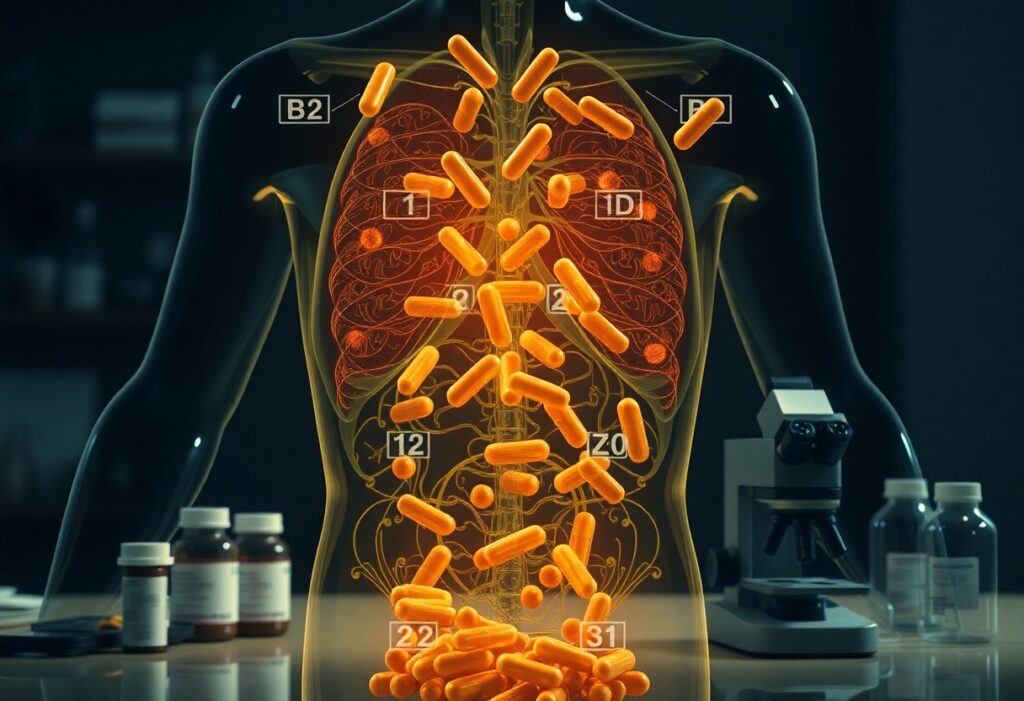

With cellular-level deficits often overlooked, you may be missing key vitamins, minerals, and cofactors that directly affect mitochondrial function and energy production; this paragraph outlines nine hidden nutrient gaps, how they impair your metabolic efficiency, and practical steps you can take to restore cellular fuel, boost stamina, and reduce persistent fatigue.
Cellular Energy 101
Mitochondria, ATP and the biochemistry of cellular fuel
Within your cells the mitochondria generate roughly 90% of ATP via oxidative phosphorylation; glycolysis yields 2 ATP while full oxidation of one glucose produces about 30-32 ATP. They also buffer calcium and modulate ROS and apoptosis, so mitochondrial dysfunction reduces ATP output and raises oxidative stress, which you often perceive as chronic low energy or exercise intolerance.
Nutrient cofactors and metabolic pathways that sustain energy
Your metabolic machinery depends on specific cofactors: thiamine (B1) for pyruvate dehydrogenase, riboflavin (B2) and niacin (B3) for FAD/FMN and NAD, pantothenate (B5) for CoA, magnesium for ATP binding, iron and copper for electron transport, and CoQ10 as an electron carrier. Deficiencies-common with poor diet, age, or medications-limit flux through PDH, TCA, and ETC, lowering ATP and raising lactate or fatigue.
- Thiamine (B1): enables pyruvate → acetyl‑CoA via PDH.
- Niacin (B3): forms NAD+/NADH, important for catabolic oxidation.
- Riboflavin (B2) and CoQ10: shuttle electrons through complexes I-III.
- This reduces ATP production and increases fatigue when these cofactors are insufficient.
Pathway flux depends on cofactor availability and redox balance: when NAD+ is low the TCA cycle stalls, and limited CoA impairs beta‑oxidation. During high demand, AMPK activation shifts substrate use toward glucose uptake and fatty acid oxidation; for example, endurance training increases mitochondrial biogenesis, but chronic nutrient shortfalls blunt that adaptive response for you.
- Medications: statins can lower CoQ10 and impair electron transport.
- Lifestyle: alcohol and high‑sugar diets deplete thiamine and skew NAD+/NADH ratios.
- Genetics and age: mtDNA variants or declining enzyme expression can cut efficiency by 10-30%.
- This is why targeted dietary changes, supplementation, and exercise often restore metabolic throughput.
The 9 Hidden Nutrient Gaps That Drain Energy
The nine key nutrients (B12, folate, iron, magnesium, vitamin D, CoQ10, omega‑3s, zinc, selenium)
These nine nutrients keep your mitochondria, red blood cells, antioxidant defenses and thyroid-driven metabolism functioning. B12 and folate support DNA synthesis and healthy RBCs; iron carries oxygen and forms cytochromes in the electron transport chain; magnesium stabilizes Mg‑ATP and activates over 300 enzymes; vitamin D influences muscle and mitochondrial signaling; CoQ10 shuttles electrons in the ETC (statins can lower levels ~20-40%); omega‑3s maintain membrane fluidity; zinc and selenium power antioxidant and thyroid enzymes.
How deficits in each specifically impair cellular energy
When you lack any of these, ATP production and metabolic resilience fall. B12/folate deficits produce megaloblastic anemia and elevated homocysteine that impair oxygen delivery; iron deficiency reduces hemoglobin and cytochrome efficiency; low magnesium means less usable Mg‑ATP and slowed kinase activity; vitamin D insufficiency can blunt mitochondrial respiration in muscle; CoQ10 shortages create electron bottlenecks and excess ROS; inadequate omega‑3s disrupt membrane dynamics; zinc/selenium shortages weaken glutathione peroxidases and T4→T3 conversion.
You can see this in clinical examples: iron deficiency anemia-affecting ~1.6 billion people-often causes fatigue long before other signs; older adults show B12 deficiency rates roughly 6-20% with elevated methylmalonic acid linked to lethargy; statin users frequently report myalgias as CoQ10 falls 20-40%; trials link vitamin D <20 ng/mL to lower muscle strength; and without enough magnesium you cannot form Mg‑ATP complexes required for every phosphorylation step in cellular energy use.
Causes and Risk Factors for Nutrient Gaps
Your nutrient shortfalls usually come from layered, specific causes: restrictive eating, poor absorption, drugs, surgery and genetics. You may have multiple overlapping risks that quietly lower B12, iron, vitamin D, magnesium and folate. Data show aging, pregnancy and bariatric surgery markedly increase deficiency rates, so assess history and symptoms when energy stays low.
- Restricted diets (vegan, very low-calorie) without targeted supplementation
- Malabsorption from celiac disease, Crohn’s, SIBO or post-surgical anatomy
- Age-related reduced gastric acid and intrinsic factor affecting B12
- Pregnancy, adolescence and rapid growth raising iron and folate demand
- Chronic diseases (CKD, liver disease, inflammatory conditions)
- Long-term medications (metformin, PPIs, anticonvulsants, statins)
- Bariatric procedures (Roux-en-Y, sleeve) with high rates of iron and B12 loss
- Genetic variants (MTHFR, PEMT, other polymorphisms) altering nutrient metabolism
After reviewing these, prioritize testing for B12, iron, vitamin D and folate if you have two or more items above.
Dietary patterns, malabsorption and life stages
If you follow a restricted eating pattern, the gaps are predictable: vegans without B12 supplements will develop deficiency over years, and very-low-fat diets reduce absorption of vitamins A, D, E and K. You should know pregnancy raises iron RDA to 27 mg/day and adolescents need more zinc and iron during growth; older adults commonly have atrophic gastritis, reducing B12 absorption in roughly 10-30% of seniors.
Medications, chronic illness and genetic vulnerabilities
Several common drugs lower specific nutrients: metformin is linked to B12 reductions (studies report up to ~30% prevalence with long-term use), PPIs can impair B12 and magnesium over months to years, and enzyme-inducing anticonvulsants accelerate vitamin D breakdown. You also face malabsorption with celiac disease or inflammatory bowel disease, and CKD alters vitamin D activation and iron handling.
More detail: metformin interferes with intestinal B12 uptake in a dose- and duration-dependent way, often reversible with oral B12 or calcium; long-term PPI use reduces gastric acidity, hindering B12 release from food and raising hypomagnesemia risk; MTHFR C677T homozygosity can cut 5‑MTHF production by up to ~60-70%, raising folate needs and altering homocysteine handling, so genotype-guided supplementation or active folate may help you.
Recognizing Deficiency: Symptoms and Clinical Clues
Symptoms often present as overlapping patterns rather than single signs, so you should map fatigue, cognitive fog, muscle weakness, and mood changes to likely nutrient deficits; for example, ferritin under 30 ng/mL commonly aligns with iron-deficiency fatigue, vitamin B12 below ~200 pg/mL with neuropathy and memory loss, and 25(OH)D under 20 ng/mL with bone pain and proximal weakness.
Symptom clusters that point to specific gaps
If you have microcytic anemia, pica, and brittle nails, think iron deficiency (ferritin <30 ng/mL); paresthesias plus macrocytosis suggest B12 insufficiency (<200 pg/mL); diffuse muscle cramps, insomnia and arrhythmia hint at low magnesium (<0.8 mmol/L) or potassium (<3.5 mEq/L); hair thinning with dry skin and delayed wound healing can indicate crucial fatty acid or zinc shortfalls.
Red flags and differential diagnosis
When symptoms include unintentional weight loss, night sweats, persistent fever, focal neurologic deficits, or rapidly progressive decline over weeks, you need to broaden the differential beyond simple nutrient gaps to malignancy, infection, autoimmune disease, or endocrine failure and pursue urgent workup.
Further evaluation should combine targeted labs and red-flag screening: CBC with smear, ferritin, B12/folate, 25(OH)D, CMP, TSH, CRP/ESR, and basic infectious or oncologic markers as indicated; for example, pancytopenia or markedly elevated CRP/ESR shifts priority to hematologic or inflammatory etiologies, while orthostatic hypotension and hyponatremia raise concern for adrenal insufficiency-act on these clues rather than empiric supplementation alone.
Testing and Functional Assessment
You should focus testing on objective deficits that explain low energy – ferritin, B12 (with MMA), 25(OH)D, magnesium (RBC if available), thyroid panel, CBC, metabolic panel, fasting glucose/HbA1c, and basic adrenal screening. Correlate lab patterns with symptoms: ferritin under 50 ng/mL often impairs mitochondrial function, vitamin D below 30 ng/mL reduces muscle performance, and elevated fasting insulin with normal glucose suggests insulin resistance contributing to fatigue.
Recommended lab tests and interpretation tips
Order a core set: CBC with indices, ferritin, iron/TIBC, fasting glucose and HbA1c, CMP, serum B12 plus methylmalonic acid, 25(OH)D, RBC or serum magnesium, TSH/free T4/free T3, AM cortisol, and homocysteine. Use functional targets where evidence links them to energy: ferritin >50 ng/mL, 25(OH)D 40-60 ng/mL, HbA1c <5.7%. After you must prioritize deficits that most strongly match the clinical picture before adding supplements or referrals.
- CBC: look for low MCV (iron) or low Hb that explains dyspnea on exertion.
- Ferritin+iron studies: ferritin 15-50 ng/mL may cause fatigue even with normal Hb.
- B12 + MMA: normal serum B12 with MMA >0.4-0.45 µmol/L indicates functional deficiency.
- 25(OH)D: aim for 40-60 ng/mL to support muscle and mood.
- RBC magnesium: more sensitive than serum for intracellular deficiency affecting ATP.
- Thyroid panel: assess free T3 and reverse T3 if fatigue persists despite normal TSH.
When to use specialized/functional testing
If you still have disabling fatigue after 8-12 weeks of correcting obvious lab abnormalities, escalate to specialized testing: organic acids for B‑vitamin and mitochondrial metabolites, DUTCH or 24‑hour urine for sex/adrenal hormones, stool PCR for dysbiosis, and heavy metal panels when exposure is suspected. Use these when standard labs are inconclusive or symptoms are multisystem (GI, cognitive, orthostatic) or when you’re an athlete with unexplained performance drop.
For example, organic acid testing can reveal low riboflavin or B2 (elevated ethylmalonate) or mitochondrial dysfunction (elevated lactate/pyruvate ratios); DUTCH testing quantifies cortisol rhythm and androgen patterns that spot hidden HPA axis issues; comprehensive stool panels identify Giardia, SIBO markers, or reduced butyrate producers that impair nutrient absorption. If you’ve had normal serum B12 but MMA = 0.8 µmol/L and persistent fatigue, targeted methylcobalamin 1,000 mcg daily often yields improvement within 4-8 weeks.
Correcting Gaps: Practical Food‑First and Supplement Strategies
Adopt a food‑first plan that targets the nine gaps: prioritize 20-30 g protein at each meal, two weekly servings of fatty fish for EPA/DHA, magnesium‑rich nuts and leafy greens, and fermented foods to support B vitamins and gut absorption. Pair iron‑rich plant or animal meals with vitamin C, eat fat with carotenoid and vitamin D sources, and limit coffee or tea within an hour of iron. Use lab data to guide focused supplementation only when dietary changes fall short.
Targeted dietary approaches, meal planning and absorption enhancers
Design meals that combine purpose and absorption: a 25 g protein breakfast (Greek yogurt + chia), a spinach‑orange salad at lunch to boost nonheme iron uptake, and roasted salmon with sautéed kale for vitamin D and iron. Add 1-2 teaspoons olive oil to salads to improve fat‑soluble vitamin uptake, avoid tea or coffee within 60 minutes of iron meals, and rotate legumes, nuts, and seeds to cover zinc, magnesium and folate without overrelying on supplements.
Evidence‑based supplementation, dosing and safety considerations
Order baseline labs-25(OH)D, ferritin, B12, CBC-and tailor dosing: vitamin D typically 1,000-2,000 IU/day (up to 4,000 IU under supervision), oral B12 500-1,000 mcg for low stores, magnesium glycinate 200-400 mg at night, omega‑3 EPA/DHA 250-1,000 mg/day, and iron repletion guided by ferritin with usual elemental doses around 45 mg/day or alternate‑day regimens. Watch interactions (anticoagulants, calcium with iron) and monitor symptoms and labs every 8-12 weeks.
Supplement specifics that improve outcomes: take iron with 50-100 mg vitamin C or orange juice and separate calcium or antacids by 2 hours, prefer magnesium glycinate for sleep and fewer GI effects, and give vitamin D with your largest meal to boost absorption. Alternate‑day iron (e.g., 60-100 mg elemental every other day) often raises absorption and lowers GI upset. Check ferritin and 25(OH)D after 8-12 weeks and adjust dosing rather than escalating without testing.
Conclusion
Now you have a clear map of nine hidden nutrient gaps that sap cellular energy; addressing them through targeted testing, nutrient-dense foods, strategic supplementation, and lifestyle adjustments will improve your mitochondrial function and daily vitality. Prioritize consistent intake of key vitamins, minerals, omega-3s, and protein, monitor progress, and work with a qualified practitioner to personalize interventions for sustained, measurable energy gains.