
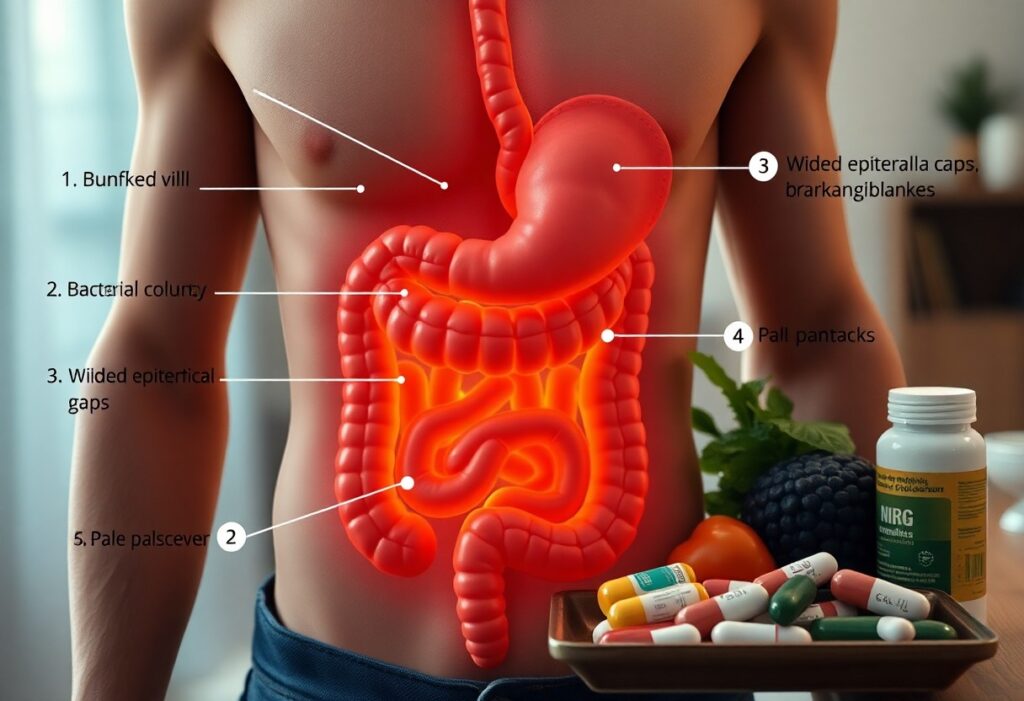

Many people assume that a “good diet” guarantees nutrient absorption, but you can still suffer deficiencies because of gut-related factors. Dysbiosis, low stomach acid, pancreatic enzyme insufficiency, leaky gut, chronic inflammation, medication interactions and unresolved food intolerances all impair digestion and uptake, so you need targeted testing and interventions to restore your microbial balance, digestive function and nutrient transport for real improvement.
Key Takeaways:
- Low stomach acid (hypochlorhydria) reduces protein breakdown and impairs absorption of B12, iron, calcium and other minerals.
- Pancreatic enzyme insufficiency prevents proper digestion of fats, proteins and carbs, causing nutrient loss and deficiencies.
- Dysbiosis and SIBO let bacteria consume or deplete nutrients and damage the mucosa, contributing to B12, fat-soluble vitamin and mineral deficits.
- Bile acid deficiency or gallbladder/liver dysfunction limits fat emulsification and absorption of vitamins A, D, E and K.
- Intestinal inflammation, celiac disease, Crohn’s or flattened villi reduce absorptive surface area and block micronutrient uptake.
- Medications and supplements (PPIs, antibiotics, metformin, certain chelators) and prior GI surgeries can markedly interfere with nutrient absorption.
- Chronic stress, poor sleep or abnormal gut motility alter digestive secretions and blood flow, lowering overall nutrient uptake.
Understanding Nutrient Absorption
Nutrient uptake depends on coordinated action across organs, enzymes and the gut lining: stomach acid and pepsin start protein breakdown, pancreatic enzymes finish digestion, bile emulsifies fats, and the small intestine-with a villous surface expanded to an estimated 200-300 m² by microvilli-absorbs amino acids, sugars, fatty acids and micronutrients into your bloodstream or lymphatics.
The Digestive Process
You mechanically and chemically break food down: chewing and gastric motility reduce particle size while stomach pH (about 1.5-3.5) denatures proteins, pancreatic enzymes (optimal near pH 7-8) and bile complete digestion, and enterocytes with specific transporters absorb nutrients over a small-intestine transit time typically 3-6 hours.
Key Factors Affecting Absorption
Several specific issues blunt absorption: low stomach acid impairs B12 and iron release, pancreatic insufficiency reduces lipase causing fat malabsorption, bile salt deficiency limits fat-soluble vitamin uptake, dysbiosis or SIBO (seen in up to ~15% of IBS patients) deconjugates bile and competes for nutrients, and medications (PPIs, metformin) or surgeries like Roux-en-Y bypass markedly alter uptake.
- Low gastric acid limits mineral and B12 release from food.
- Pancreatic enzyme insufficiency causes steatorrhea and fat-soluble vitamin loss.
- Bile salt malabsorption decreases absorption of vitamins A, D, E, K.
- Microbial imbalance can both consume nutrients and damage mucosa.
- Recognizing these specific mechanisms lets you target testing and therapy rather than just increasing dietary intake.
You can often pinpoint the dominant mechanism: for example, a fecal elastase <200 µg/g indicates pancreatic insufficiency requiring enzyme replacement; positive breath tests suggest SIBO needing tailored antibiotics; and long-term PPI use correlates with higher rates of B12 and magnesium deficiency in observational cohorts.
- Order fecal elastase to evaluate pancreatic function.
- Use hydrogen breath testing for suspected SIBO after carbohydrate challenge.
- Check serum B12, ferritin and vitamin D in patients on chronic PPIs or after bariatric surgery.
- Consider stool PCR or sequencing when dysbiosis is suspected post-antibiotics.
- Recognizing the right test saves time, avoids unnecessary supplements, and directs effective treatment.
Hidden Reasons for Poor Nutrient Absorption
Gut Microbiome Imbalance
If your microbial diversity is low-common after repeated antibiotics or poor fiber intake-you lose bacteria that synthesize or liberate nutrients like vitamin K, some B vitamins and short-chain fatty acids that help mineral uptake. Small intestinal bacterial overgrowth (SIBO) appears in up to 10-15% of chronic IBS cases and causes carbohydrate fermentation that blocks absorption of fat and B12, so changes in your microbiome directly reduce what you actually absorb.
Inflammation and Gut Health
Chronic intestinal inflammation-whether from IBD, recurrent infections, or unresolved food reactions-damages villi and reduces transporter proteins, impairing absorption of iron, B12 and fats. In active inflammatory bowel disease, iron deficiency occurs in roughly half of patients, and ongoing mucosal inflammation lowers expression of nutrient transporters, so inflammation often explains persistent deficiencies despite adequate intake.
Pro-inflammatory cytokines like IL-6 and TNF-α alter enterocyte function and tight junctions, while localized inflammation shortens villous height, reducing surface area for absorption. For example, Crohn’s disease affecting the terminal ileum commonly produces B12 deficiency; chronic colitis increases iron loss and hepcidin-driven sequestration, so you can have both reduced uptake and increased losses simultaneously.
Enzyme Deficiencies
If your digestive enzymes are low-lactase deficiency affects an estimated 65% of adults globally-certain nutrients never get broken down into absorbable forms. Exocrine pancreatic insufficiency from chronic pancreatitis or post‑surgical states lowers lipase and proteases, producing steatorrhea and fat‑soluble vitamin losses, so enzyme gaps directly translate to missed calories and micronutrients.
Diagnostics like fecal elastase and hydrogen breath tests identify pancreatic insufficiency and carbohydrate malabsorption; pancreatic enzyme replacement therapy (tailored dosing per meal) restores fat digestion in many patients. For lactase deficiency, hydrogen breath testing or symptom-directed trials clarify whether you’re malabsorbing lactose and losing calcium or vitamin D as a result.
Intestinal Permeability
When your gut barrier is compromised, larger molecules and microbes cross into the lamina propria, provoking immune activation that diverts resources and interferes with nutrient uptake. Elevated zonulin and increased lactulose-mannitol ratios correlate with poorer nutrient status in conditions like celiac disease or NSAID-induced injury, so permeability issues often accompany malabsorption.
Tests such as the lactulose‑mannitol assay and stool markers (calprotectin) help quantify barrier dysfunction, while interventions that reduce NSAID exposure, treat underlying infection, or provide targeted nutrients (zinc, glutamine) have shown benefit in restoring barrier integrity in trials, thereby improving downstream absorption of minerals and vitamins.
Food Sensitivities
Non‑IgE‑mediated food reactions and true intolerances (e.g., celiac disease, prevalence ~1%) can cause mucosal damage or rapid transit that impairs absorption of iron, folate and fat‑soluble vitamins. FODMAP intolerance drives osmotic diarrhea and bacterial fermentation, reducing contact time for nutrient uptake, so unrecognized sensitivities frequently explain persistent deficiencies.
Elimination diets followed by controlled reintroduction and objective testing (celiac serology and duodenal biopsy when indicated) are the diagnostic backbone; empiric low‑FODMAP trials with dietitian guidance clarify carbohydrate malabsorption, while identifying and removing the trigger often restores absorption within weeks to months.
Medications and Supplements
Common drugs alter your absorption: proton pump inhibitors reduce gastric acidity needed for B12 and iron release, and long‑term PPI use is associated with higher B12 deficiency risk; metformin lowers B12 levels by ~10-30% in many users; broad‑spectrum antibiotics can suppress vitamin K-producing flora. Even over‑the‑counter NSAIDs and high‑dose zinc supplements interfere with mucosal integrity or copper balance, so your med list often explains malabsorption patterns.
Reviewing duration and combinations matters-for example, PPI use beyond two years increases B12 risk and metformin’s B12 effect often appears after months. Antibiotic courses can reduce gut diversity for several months, so timing of deficiencies relative to medication exposure helps pinpoint causation and guide monitoring or replacement strategies.
Stress and Lifestyle Factors
Psychological and physical stress alter gastric acid, gut motility and microbiome composition, lowering nutrient uptake; poor sleep and heavy alcohol use worsen this.
- Chronic stress raises cortisol and slows gastric emptying.
- Poor sleep (<7 hours) reduces microbial diversity.
- Heavy alcohol (>3 drinks/day) impairs folate and thiamine absorption.
After prolonged stress and lifestyle strain, you’ll often see measurable drops in iron, B vitamins and fat‑soluble vitamin status.
Behavioral patterns compound effects: shift work increases GI symptom prevalence by ~1.5× and intermittent fasting without adaptation can reduce mineral absorption; targeted lifestyle changes improve outcomes alongside medical treatment.
- Regular sleep (7-8 hours) supports microbiome resilience.
- Moderate exercise (150 min/week) normalizes transit time.
After addressing these factors you often recover otherwise unexplained nutrient deficits.
How to Improve Nutrient Absorption
Prioritize simple, evidence-based tweaks: pair 100-200 mg vitamin C (a small citrus or ½ cup strawberries) with plant iron sources to boost non-heme iron absorption two- to three-fold, avoid calcium-heavy drinks with iron-rich meals, and space antacids or proton-pump inhibitors at least two hours from iron or zinc supplements. Chew thoroughly (aim 20-30 chews per bite) to increase enzyme contact, and cook tomatoes with a fat source to raise lycopene bioavailability by multiple fold.
Dietary Adjustments
Rotate food pairings to maximize uptake: combine spinach or beans with a vitamin C source, cook cruciferous vegetables lightly to reduce goitrogens if you have low iodine, and include small amounts of dietary fat (5-10 g) with fat-soluble vitamins. Limit high-phytate whole grains at a single meal or soak/ferment them to cut phytate content by 30-60%, and consider spacing calcium supplements away from iron-rich meals by two hours.
Lifestyle Changes
Manage stress, sleep, and activity to support gut function: chronic stress and under 7 hours of sleep have been linked with altered gut microbiota and permeability, while moderate daily exercise (30 minutes) improves transit time and microbial diversity. Stop smoking and reduce alcohol to under one drink per day for women and two for men to protect mucosal integrity and nutrient uptake.
Practical examples help: if you take NSAIDs frequently, reducing use or switching to topical options often reduces intestinal inflammation and can raise iron and B12 absorption within weeks; similarly, establishing a regular sleep schedule and brief daily walks improved digestive symptoms and serum ferritin in small intervention trials of 6-12 weeks.
Probiotics and Prebiotics
Introduce targeted probiotics and prebiotics to restore microbial functions that aid absorption: strains like Lactobacillus rhamnosus, Bifidobacterium longum, and Saccharomyces boulardii at doses of 1-10 billion CFU daily have shown benefit for nutrient-related dysbiosis, while prebiotics such as inulin, FOS, or 10-20 g resistant starch feed butyrate-producing bacteria and improve mineral uptake.
For implementation, choose a clinically studied probiotic strain for your issue (e.g., S. boulardii for antibiotic-associated dysbiosis) and gradually add prebiotic fibers over 1-2 weeks to minimize gas; follow labs-improvements in stool consistency, ferritin, or B12 after 8-12 weeks suggest the regimen is enhancing absorption.
Summing up
To wrap up, even with a solid diet you may fail to absorb nutrients because your gut environment – low stomach acid, enzyme or bile insufficiency, dysbiosis or SIBO, inflammation, medications, and chronic stress – impairs digestion and uptake; assessing symptoms, testing where appropriate, and addressing root causes will help restore your digestive function and nutrient status.
FAQ
Q: Why might low stomach acid cause poor nutrient absorption even if I eat a healthy diet?
A: Low stomach acid (hypochlorhydria) prevents proper protein breakdown and impairs absorption of minerals and vitamins that need an acidic environment-especially iron, calcium, magnesium, and vitamin B12. Signs include bloating, gas soon after meals, belching, and feeling full quickly. Causes include age, long-term use of proton pump inhibitors (PPIs), H. pylori infection, and chronic stress. Evaluation can include a clinician-guided trial or testing for H. pylori and, in specialized centers, Heidelberg or gastric pH testing. Management options are treating underlying infection, adjusting or stopping acid-suppressing drugs under medical supervision, dietary strategies (smaller, more frequent meals; fermented foods), and, when appropriate and supervised, supplemental betaine HCl or pepsin to aid digestion.
Q: How does chronic stress interfere with nutrient absorption?
A: Chronic stress alters gut motility and blood flow, reduces digestive enzyme and acid secretion, and shifts immune and microbiome balance-each step lowering nutrient uptake. Elevated cortisol and sympathetic tone slow intestinal transit or cause dysmotility, which can lead to dysbiosis and impaired fat and micronutrient absorption. Practical steps include regular sleep, targeted stress-reduction practices (breathing, meditation, cognitive behavioral approaches), timed meals in a calm environment to support parasympathetic digestion, and working with a clinician to address long-standing stress and any gut-brain axis disorders.
Q: Could medications be blocking absorption even when my diet is good?
A: Yes-several common drugs affect absorption. Proton pump inhibitors and H2 blockers reduce acid needed for B12, iron and calcium uptake; metformin is linked to B12 deficiency; some anticonvulsants and oral contraceptives affect folate and other B vitamins; long or repeated antibiotic courses disrupt the microbiome and secondary nutrient synthesis/absorption. Discuss medication review with your prescriber, consider monitoring levels (B12, iron studies, vitamin D, magnesium), and explore alternatives, dosing adjustments, or targeted supplementation as advised by a clinician.
Q: Can small intestinal bacterial overgrowth (SIBO) or dysbiosis cause malabsorption despite eating well?
A: Yes-SIBO and broader dysbiosis can consume nutrients (e.g., bacteria using B12), deconjugate bile acids causing fat malabsorption, and damage the mucosa. Symptoms include bloating, gas, diarrhea, and fluctuating weight. Diagnosis is typically via lactulose or glucose breath testing and clinical evaluation. Treatment often combines targeted antimicrobials (pharmaceutical or herbal per clinician choice), dietary adjustments to reduce fermentable substrates, prokinetic agents to improve motility, and staged microbiome restoration using diet and selective probiotics to reduce recurrence.
Q: Is pancreatic enzyme insufficiency a hidden reason for poor nutrient uptake?
A: Yes-insufficient pancreatic enzyme output (exocrine pancreatic insufficiency) leads to poor digestion of fats, proteins, and carbohydrates, resulting in greasy stools, weight loss, and deficiencies in fat-soluble vitamins (A, D, E, K) and some amino acids. Causes include chronic pancreatitis, cystic fibrosis, pancreatic surgery, and long-standing diabetes. Testing includes fecal elastase or direct pancreatic function tests. Management typically involves pancreatic enzyme replacement therapy (timed with meals), optimizing fat intake and absorption strategies, and monitoring nutrient levels under medical supervision.
Q: How do bile and liver function impact absorption, particularly of fat-soluble nutrients?
A: Bile acids emulsify dietary fats so lipases can break them down and allow absorption of fat-soluble vitamins. Reduced bile production or flow (cholestasis), impaired bile salt recycling, or post-cholecystectomy changes can cause fat malabsorption and deficiencies in vitamins A, D, E and K. Tests include liver function panels, imaging, and fecal fat or elastase tests if fat malabsorption is suspected. Interventions include addressing liver or biliary disease, using medium-chain triglycerides that bypass micelle formation for absorption, supervised bile acid replacement (like ox bile) in select cases, and targeted supplementation of fat-soluble vitamins guided by lab monitoring.
Q: Could celiac disease, food intolerances, or intestinal inflammation explain poor absorption even with a “good diet”?
A: Yes-immune-mediated conditions like celiac disease damage the small intestinal lining and villi, causing broad malabsorption (iron, folate, calcium, fat-soluble vitamins). Inflammatory bowel diseases and chronic enteritis also impair absorption. Non-celiac food intolerances and chronic inflammation change permeability and nutrient uptake. Testing includes celiac serology (tTG IgA with total IgA), endoscopic biopsy when indicated, stool calprotectin for intestinal inflammation, and targeted allergy/intolerance evaluation. Treatment varies by diagnosis: strict gluten-free diet for celiac disease, anti-inflammatory or immunomodulatory therapy for IBD, elimination diets for intolerances, and nutritional repletion with professional guidance.