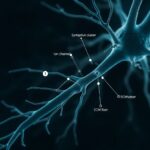


Just when you fast, exercise, or encounter nutrient stress, autophagy shifts your cells into recycling mode, dismantling damaged proteins and organelles to maintain function and supply substrates for energy. Understanding the six molecular and physiological signals that trigger this pathway helps you optimize lifestyle, therapeutic, and dietary choices to support cellular cleanup, longevity, and resilience against disease.
You can trigger autophagy through several specific signals – nutrient scarcity, energy stress, exercise, hypoxia, infection, and protein misfolding – that shift your cells from growth to cleanup mode. This post explains how those signals integrate via pathways such as mTOR, AMPK, and sirtuins to initiate selective and bulk autophagy, helping you understand when and why your body activates cellular recycling.
Nutrient deprivation – mTOR inhibition as a primary trigger
mTORC1 senses amino-acid and energy availability and, when inhibited by nutrient deprivation, releases ULK1 to initiate autophagy. You’ll see autophagic flux increase within hours in many tissues as lysosomal degradation ramps up. Clinically relevant interventions-fasting, protein restriction, or pharmacologic mTOR inhibitors-lower mTORC1 activity and shift cells toward recycling damaged organelles and mobilizing intracellular amino acids for survival.
Mechanism: amino-acid sensing and Rag/mTORC1 pathway
Sensors such as Sestrin2 (leucine), CASTOR1 (arginine) and SAMTOR feed into GATOR complexes that regulate Rag GTPases; those Rags control mTORC1 recruitment to the lysosomal surface via Ragulator and the v‑ATPase. You experience mTORC1 inactivation when RagA/B adopt the GDP-bound state, preventing lysosomal localization and allowing ULK1 activation and phagophore formation.
Physiological contexts: fasting, protein restriction, dietary signals
Short-term fasting (12-24+ hours), intermittent protocols like 16:8, and targeted protein or leucine restriction reduce plasma amino acids and suppress mTORC1, prompting autophagy. You can also mimic this signal pharmacologically with rapalogs or by lowering branched-chain amino acids; timing and magnitude determine which tissues (liver, muscle, brain) mount the strongest autophagic response.
Rodent studies typically show a 2-3× increase in hepatic autophagy markers after 24 hours of fasting, whereas human biomarkers are more variable but rise notably after 24-48 hours in many volunteers. You should know that carbohydrate depletion and AMPK activation synergize with amino-acid sensing to enhance autophagy; likewise, exercise creates transient amino-acid and energy stress that pulses autophagic activity. Practically, cycling protein intake or using intermittent fasting produces repeated mTORC1-off windows that favor cellular cleanup without continuous catabolism.
Nutrient deprivation
When nutrient supply falls, your cells shift from growth to recycling within hours: autophagy ramps up to liberate amino acids, fatty acids and sugars for ATP production and protein synthesis. Amino-acid and glucose scarcity trigger coordinated signals across the lysosome and cytosol, increasing LC3 lipidation and autophagosome formation; in liver and muscle this response can be detectable after several hours of fasting, preserving energy balance and preventing proteotoxic stress.
mTORC1 inhibition and autophagy initiation
When mTORC1 activity drops you remove inhibitory phosphorylation from the ULK1-Atg13-FIP200 initiation complex, allowing ULK1 kinase activity to nucleate the phagophore. Pharmacologic agents like rapamycin, energetic stress that activates AMPK, and nutrient deprivation all suppress mTORC1, so you rapidly recruit the VPS34 complex, boost PI3P production and engage WIPI proteins to expand the isolation membrane.
Amino-acid sensors (Rag GTPases, GCN2) and lysosomal signaling
Rag GTPases relay cytosolic amino-acid levels to the lysosomal surface: when amino acids are abundant RagA/B in the GTP state recruits mTORC1 to the lysosome, keeping autophagy off; when amino acids fall, uncharged tRNAs activate GCN2 kinase, phosphorylating eIF2α and driving ATF4-dependent transcription that induces autophagy genes so you can replenish key metabolites.
Mechanistically, RagA/B-RagC/D operate as obligate heterodimers whose nucleotide states determine mTORC1 docking via the Ragulator complex and the lysosomal v-ATPase; SLC38A9 functions as a lysosomal arginine sensor/transporter that modulates this axis. At the same time, GCN2 sensing of uncharged tRNAs raises eIF2α phosphorylation and ATF4 levels, selectively upregulating ATG transcripts (for example LC3 and ATG5) so your cells both halt growth programs and actively assemble the autophagy machinery.
Energy stress – AMPK and cellular energy sensing
When your AMP/ATP ratio rises during fasting, intense exercise or glucose deprivation, AMPK senses that energetic shortfall and is activated by Thr172 phosphorylation from LKB1; this flips the cell from growth to conservation. Activated AMPK inhibits mTORC1 and directly engages the ULK1 complex, initiating autophagy within minutes so your cell can recycle substrates and stabilize ATP levels.
Mechanism: AMP/ATP ratio, AMPK→ULK1 activation
As AMP increases relative to ATP, AMP binds the AMPK γ subunit and facilitates Thr172 phosphorylation by LKB1, producing robust AMPK activation. AMPK then phosphorylates ULK1 at sites such as Ser317 and Ser777 and suppresses mTORC1 via phosphorylation of Raptor/TSC2, releasing ULK1 from inhibition and driving phagophore nucleation at defined assembly sites.
Outcomes: restoration of ATP, promotion of mitophagy
AMPK restores ATP by switching on catabolic pathways-phosphorylating ACC (e.g., Ser79) to lower malonyl‑CoA and increase β‑oxidation-while activating ULK1-dependent autophagy. You also see selective mitophagy: dysfunctional mitochondria are fragmented, tagged and engulfed, which reduces ROS leak and improves ATP yield per mitochondrion.
For example, in exercise and fasting models AMPK activation correlates with rapid ULK1 phosphorylation, LC3 lipidation and Parkin recruitment, often within hours, producing measurable increases in mitochondrial quality and ATP-per-oxygen ratios. Mechanistically, AMPK promotes mitochondrial fission factors to segregate damaged mitochondria, enables their ULK1-driven engulfment, and concurrently supports mitochondrial renewal through PGC‑1α-linked biogenesis, so turnover increases overall respiratory efficiency rather than merely reducing mitochondrial mass.
Energy stress
When energy demand outpaces supply, your cellular AMP/ATP ratio rises and triggers conserved energy-sensing pathways that shift cells into a recycling mode. AMPK activation and mTORC1 inhibition rapidly increase autophagic flux to salvage amino acids and maintain ATP, a response observed after 12-24 hours of fasting or during high-intensity exercise when skeletal muscle AMPK activity can double. This energy-driven autophagy preserves bioenergetics and removes dysfunctional organelles to restore homeostasis.
AMPK activation, ULK1 phosphorylation and autophagy induction
AMPK senses rising AMP/ADP and, after LKB1-mediated Thr172 phosphorylation, becomes fully active; you then see direct phosphorylation of ULK1 (e.g., Ser317, Ser777) that liberates the ULK1-ATG13-FIP200 complex to nucleate phagophores. At the same time AMPK inhibits mTORC1 and prevents ULK1 inhibitory phosphorylation (Ser757), so autophagy initiation proceeds. Pharmacologic AMPK activators such as AICAR or metformin reproduce this sequence and raise autophagic markers within hours.
Cellular ATP/AMP ratio and mitochondrial feedback
Your ATP/AMP ratio directly shapes mitochondrial behavior: falling ATP reduces membrane potential, elevates ROS and stabilizes PINK1 on the outer membrane, which recruits Parkin to ubiquitinate outer-membrane proteins and mark mitochondria for mitophagy. In cell models, PINK1 stabilization and Parkin translocation occur within 10-60 minutes after acute depolarization (CCCP), coupling localized energy collapse to selective autophagic removal.
You can probe this feedback experimentally: protonophores (CCCP) and complex I inhibitors (rotenone) collapse Δψm and trigger PINK1/Parkin-dependent mitophagy within minutes, measurable by mt-Keima fluorescence shifts or by increased LC3-II and decreased TOM20 on Western blots. Clinically relevant stresses such as myocardial ischemia-reperfusion and prolonged hypoxia produce similar ATP depletion, robust AMPK activation and enhanced mitophagy, illustrating how energetic failure flags damaged mitochondria for targeted clearance.
Hypoxia and oxidative stress signals
When your tissue oxygen falls and reactive oxygen species (ROS) rise, autophagy is rapidly engaged to remove damaged mitochondria and rebalance metabolism. Oxygen below ~2-5% stabilizes HIF-1α, while H2O2 and superoxide activate AMPK and stress kinases; together these inputs suppress mTOR and activate ULK1-driven autophagosome formation. In practice, this signaling shifts cells from growth to maintenance, limiting proteotoxicity and preserving ATP during acute oxygen or redox stress.
Mechanism: HIF-1α, ROS-mediated signaling, BNIP3/NIX induction
HIF-1α accumulation under low O2 drives transcription of BNIP3 and NIX within hours, and ROS (notably H2O2) concurrently activates AMPK and inhibits mTOR to free ULK1. BNIP3/NIX displace Beclin-1 from Bcl-2 and expose LC3-interacting regions, tagging damaged mitochondria for mitophagy. You can trace these events from HIF-1α stabilization to LC3 recruitment, linking hypoxia and redox cues directly to autophagic clearance.
Relevance: ischemia, tumor microenvironment, redox balance
In ischemic episodes like myocardial infarction or stroke, oxygen drops to single-digit percentiles and ROS surge on reperfusion, so your cells rely on autophagy to limit necrosis and preserve viable tissue. Solid tumors often exhibit pO2 <10 mmHg, where hypoxia-driven autophagy supports survival and therapy resistance. Maintaining NADPH/glutathione pools via autophagy-mediated substrate recycling is central to your cellular redox balance under these stresses.
Clinically, short-term autophagy during ischemic preconditioning reduces infarct size in rodent models, whereas excessive or prolonged autophagy after reperfusion can exacerbate cell loss. In oncology, inhibiting autophagy with chloroquine or hydroxychloroquine has been tested alongside chemotherapy and radiotherapy to overcome hypoxia-associated resistance, yielding mixed outcomes that highlight context dependence and the need to target specific nodes like BNIP3-driven mitophagy in certain tumor types.
Hypoxia
When oxygen falls below ~5% in tissues, you rapidly switch on signaling that promotes selective autophagy to preserve energy and remove damaged mitochondria; this is especially evident in tumor cores, ischemic myocardium and exercising muscle where HIF stabilization, AMPK activation and ROS signaling converge to reduce anabolic mTOR activity and increase catabolic clearance.
HIF-1α, BNIP3/NIX and induction of mitophagy
HIF-1α induction upregulates BNIP3 and NIX (BNIP3L), which use LIR motifs to bind LC3 and displace Bcl-2 from Beclin-1, driving mitophagy; you see this during erythroid maturation (NIX-dependent mitochondrial clearance) and in ischemic heart tissue where BNIP3 expression spikes and promotes removal of dysfunctional mitochondria.
Hypoxia-driven metabolic shifts and ROS-mediated signaling
As you shift from oxidative phosphorylation (~30-36 ATP/glucose) to glycolysis (2 ATP/glucose), increased glycolytic flux and mitochondrial electron transport chain stress produce ROS that stabilize HIF and activate AMPK/MAPK pathways, thereby promoting ULK1-dependent autophagy and adaptive metabolic reprogramming in hypoxic cells.
Mechanistically, hypoxia lowers cellular ATP, raising AMP/ATP ratio to activate AMPK, which phosphorylates ULK1 (e.g., Ser317/Ser777) and suppresses mTORC1, so you initiate autophagosome formation; concurrently, ROS from Complex III and dysfunctional mitochondria inhibit prolyl hydroxylases to stabilize HIF‑1α and oxidize ATG4 cysteines to favor LC3 lipidation. In tumors, this combined response-HIF-driven glycolysis plus ROS/AMPK-mediated autophagy-allows cells to survive prolonged hypoxia and resist therapy, while in ischemic preconditioning measured increases in autophagy correlate with reduced cell death in multiple animal studies.
Accumulation of damaged proteins and organelles
Your cells rely on autophagy to clear large, insoluble protein aggregates and dysfunctional organelles that the proteasome cannot handle. In neurons, misfolded alpha-synuclein and hyperphosphorylated tau form inclusions while damaged mitochondria produce ROS and compromise ATP supply; both increase with age and impaired autophagic flux. Proteotoxic deposits typically carry ubiquitin and p62 tags, marking them for selective removal and correlating with synaptic loss and cognitive decline in disease models.
Selective autophagy: aggrephagy and mitophagy (PINK1/Parkin, p62)
When a mitochondrion loses membrane potential, PINK1 accumulates on the outer membrane and recruits Parkin, an E3 ligase that ubiquitinates outer-membrane proteins to trigger mitophagy. You rely on receptors like p62/SQSTM1 (which binds K63-linked ubiquitin chains via its UBA domain and LC3 via its LIR motif) and NBR1 to cluster and deliver aggregates during aggrephagy. Loss-of-function mutations in PINK1 or Parkin account for a substantial fraction of early-onset familial Parkinson’s, directly linking selective autophagy failure to human disease.
Consequences: proteostasis, prevention of neurodegeneration
If autophagy declines, your proteostasis balance shifts toward accumulation of insoluble proteins and dysfunctional mitochondria that disrupt axonal transport and synaptic transmission. Neuron-specific deletion of Atg5 or Atg7 in mice yields ubiquitin-positive inclusions with progressive motor and cognitive deficits, proving that impaired autophagy causes neurodegeneration. Clinically, reduced autophagic flux associates with higher alpha-synuclein and tau burden, while mTOR inhibition (e.g., rapamycin) lowers aggregate load in multiple animal models.
In autopsy studies, p62 and ubiquitin co-localize with Lewy bodies and neurofibrillary tangles, tying clearance failure to human pathology. You should note that chronic aggregate accumulation activates microglia and pro-inflammatory cytokines, amplifying neuronal injury, while persistent mitochondrial defects cut ATP and raise ROS. Experimental approaches – Parkin overexpression or small-molecule mitophagy enhancers – rescue dopaminergic neuron loss in rodent Parkinson’s models, highlighting proteostasis restoration as a viable therapeutic strategy.
Endoplasmic reticulum stress & protein misfolding
When misfolded proteins overload the ER, you shift the cell from folding-focused responses to degradative pathways; prolonged ER stress drives selective autophagy of ER subdomains to remove aggregates and restore proteostasis. Experimental ER stressors like tunicamycin or thapsigargin rapidly elevate LC3-II and promote p62 turnover, and genetic loss of ER-phagy factors in cells shows accumulation of ubiquitinated ER proteins and impaired secretion of collagen and other secretory cargos.
UPR branches (PERK/eIF2α/ATF4) linking ER stress to autophagy
PERK phosphorylates eIF2α at Ser51, dampening global translation while enabling preferential translation of ATF4; you then get ATF4-driven transcriptional upregulation of autophagy-related genes (examples: ATG5, ATG7, MAP1LC3B) and amino-acid recovery programs. In cell models, PERK activation within hours increases LC3 lipidation and autophagosome formation, and pharmacologic PERK inhibition blunts autophagy induction during acute ER stress.
ER-phagy receptors and clearance of misfolded proteins
Specific ER-phagy receptors-FAM134B, TEX264, CCPG1, SEC62, RTN3 and ATL3 among others-use LC3-interacting region (LIR) motifs to link ER fragments carrying misfolded clients to autophagosomes. You can trace physiological relevance: FAM134B mutations cause hereditary sensory neuropathy type II, and SEC62 mediates recovER-phagy during recovery from stress, illustrating how receptor loss perturbs ER proteostasis and cell function.
Mechanistically, these receptors differ in topology and cargo recognition: FAM134B contains a reticulon homology domain to sculpt ER membranes and a LIR motif to recruit LC3/GABARAP, TEX264 is a high-abundance receptor that clears large ER areas during starvation, and CCPG1 is UPR-induced to target luminal aggregates. You should note co-factors like calnexin/BiP and ubiquitin adapters often cooperate, so ER-phagy can handle both membrane-embedded and luminal misfolded proteins; disrupting any receptor increases ER load, impairs secretion, and sensitizes cells to proteotoxic stress.
Pathogen detection and immune-driven autophagy
You sense pathogens when pattern-recognition receptors and damage signals mark bacteria, viruses, or damaged vacuoles, triggering autophagy to sequester and degrade them. Sensors like cGAS-STING, TLRs and NODs recruit adaptors (galectin-8, ubiquitin tags) that bind LC3 via receptors such as p62, NDP52 and OPTN, while TBK1 phosphorylation boosts receptor activity; for example, xenophagy limits intracellular Salmonella and restricts Mycobacterium replication in macrophages.
Xenophagy and pattern-recognition receptor pathways
You activate xenophagy when microbes are ubiquitinated or expose glycans on damaged membranes; galectin-8 binds exposed host glycans and recruits NDP52, linking cargo to the ATG8/LC3 conjugation system. NOD2 and cGAS-STING also induce autophagosome formation, and genetic variants like ATG16L1 T300A impair this axis and associate with inflammatory bowel disease through defective bacterial clearance.
Cross-talk with inflammation and antigen presentation
You use autophagy to tone down inflammation by removing damaged mitochondria and inflammasome activators, thereby limiting IL-1β and IL-18 release. Simultaneously, autophagy routes cytosolic and phagosomal antigens into MHC II pathways for CD4 T cell priming, affecting vaccine responses and antimicrobial immunity.
You can see specific examples: mitophagy prevents NLRP3 activation by clearing mitochondrial ROS and mtDNA, while autophagy-mediated presentation of viral proteins such as EBV EBNA1 to MHC II demonstrates how autophagy boosts adaptive responses. Interferon-γ and type I IFNs further modulate these circuits, enhancing pathogen clearance yet requiring balance to avoid excessive inflammation.
Pathogen and immune signals
When pathogens breach barriers, your immune sensors translate detection into autophagic responses: TLRs and cytosolic receptors activate signaling (MyD88/TRIF, STING) that mobilizes Beclin-1/VPS34 and LC3 lipidation to direct xenophagy toward Salmonella, Listeria and Mycobacterium. Interferons amplify this axis-IFN-γ drives GTPases that expose bacterial niches while type I interferons modulate autophagic flux-so you can deliver intracellular microbes to lysosomes for degradation.
TLRs, interferons and activation of xenophagy
TLR engagement (for example TLR4 sensing LPS) signals through MyD88/TRIF to activate ULK1 and Beclin-1 complexes, producing rapid LC3 recruitment to pathogen-containing compartments. IFN-γ enhances GTPases such as GBPs and IRGs that destabilize bacterial vacuoles, and type I interferons fine-tune autophagic flux; together these signals convert pattern recognition into targeted xenophagy against intracellular bacteria.
Selective autophagy receptors (p62, NDP52, OPTN) in host defense
p62, NDP52 and OPTN detect ubiquitinated microbes and bridge them to LC3 via LIR motifs so you can direct pathogens into autophagosomes. p62 aggregates cargo, NDP52 senses galectin-exposed ruptured vacuoles, and OPTN-when phosphorylated by TBK1-strengthens LC3 binding, enhancing clearance of Salmonella and limiting bacterial replication in macrophages.
Diving deeper, p62’s UBA domain prefers K63-linked ubiquitin and its PB1 domain mediates oligomerization, allowing you to form large cargo assemblies; NDP52 has a SKICH domain and binds galectin-8 on damaged vacuoles to nucleate autophagy factors; OPTN’s LIR is phosphorylated by TBK1 (Ser177) to increase LC3 affinity. These complementary specificities explain why loss of any single receptor typically reduces but does not eliminate xenophagic defense.
Hormonal, growth-factor and pharmacological modulation
Hormonal control: insulin/IGF, growth factors and autophagy regulation
Insulin and IGF activate PI3K-Akt to stimulate mTORC1, which directly phosphorylates ULK1 and suppresses autophagy, while growth factors like EGF and PDGF signal via receptor tyrosine kinases to the same pathway; conversely, energy stress activates AMPK to inhibit mTORC1 and phosphorylate ULK1, promoting autophagy. Human fasting and caloric-restriction studies show reduced insulin/IGF-1 correlates with increased autophagic markers. After you lower circulating insulin/IGF through diet, intermittent fasting or pharmacology, autophagy signaling shifts within hours.
- If you have high insulin/IGF: PI3K-Akt → mTORC1 → autophagy inhibited.
- If you experience low energy: AMPK activation → mTORC1 inhibition → ULK1 activation → autophagy induced.
- If growth factors are elevated: RTK signaling reinforces mTORC1-driven suppression of autophagy.
Therapeutic modulators: rapamycin, spermidine, fasting mimetics, clinical implications
Rapamycin (mTORC1 inhibitor) robustly induces autophagy and increased median lifespan by ~9-14% in mouse studies when given in diet (~14 ppm); spermidine, a dietary polyamine, induces autophagy via EP300 inhibition and improved cardiac function in rodents, with small RCTs suggesting modest benefits in older adults; fasting-mimicking diets (5-day cycles) and AMPK activators like metformin lower IGF-1 and raise autophagy markers, but you must balance benefits against immunosuppression and metabolic side effects.
Mechanistically, rapalogs blunt mTORC1-driven protein synthesis and promote autophagosome formation, yet chronic dosing can impair glucose tolerance and immune function, so intermittent or low-dose regimens are under study; spermidine trials often use ~1 mg/day equivalents from standardized extracts and appear well tolerated with signals for improved mitochondrial quality control; fasting-mimicking diets (Valter Longo protocols) reduced IGF-1 and cellular senescence markers in small human trials, and combining dietary approaches with targeted pharmacology is a current strategy to boost autophagy while minimizing adverse effects in clinical settings.
Oxidative stress & damaged organelles
When reactive oxygen species like H2O2 and superoxide rise, your cells accelerate autophagy to remove oxidized proteins and failing organelles; mitochondria and ER are frequent ROS sources. In ischemia-reperfusion models and metabolic stress, damaged mitochondria release cytochrome c and ROS that amplify damage, so selective removal via autophagy limits apoptosis and preserves cellular ATP production, keeping tissues functional under repeated stress.
ROS sensing, Keap1-p62-Nrf2 axis and autophagy regulation
Oxidation of Keap1 cysteines releases Nrf2, which you then use to upregulate antioxidant genes (NQO1, HO‑1, GCLM); concurrently p62 binds Keap1 through its KIR motif, and phosphorylation of p62 at Ser349 (human) promotes Keap1 sequestration into autophagosomes. In Atg7‑deficient mouse liver, accumulated p62 drives constitutive Nrf2 activation, showing how autophagic flux directly tunes redox signaling and antioxidant capacity.
PINK1/Parkin pathway and selective mitophagy for organelle quality control
PINK1 accumulates on mitochondria that lose membrane potential and recruits Parkin, which you rely on to ubiquitinate outer‑membrane proteins and mark mitochondria for autophagic clearance; in cell models treated with CCCP, Parkin translocation occurs within 30-60 minutes. Mutations in PINK1 or Parkin impair this pathway and are linked to early‑onset Parkinson’s, illustrating its importance for neuronal mitochondrial quality control.
PINK1 is normally imported and cleaved, but when Δψm collapses it stabilizes on the outer membrane, autophosphorylates and phosphorylates ubiquitin at Ser65; that phospho‑ubiquitin both activates Parkin by phosphorylating Parkin’s Ubl domain at Ser65 and amplifies ubiquitination of substrates like TOM20, VDAC1 and Mitofusins. You should note Parkin builds mixed ubiquitin chains (K6, K11, K48, K63) that recruit receptors such as OPTN, NDP52 and p62; TBK1 phosphorylates OPTN to increase LC3 binding affinity, coupling ubiquitination to autophagosome formation. In patient fibroblasts lacking Parkin or PINK1, damaged mitochondria persist and ROS and apoptotic signaling rise, providing a direct mechanistic link to neurodegeneration observed in genetic Parkinson’s disease.
Final Words
Following this, you can leverage the six signals-nutrient scarcity, energy stress (AMPK activation), mTOR suppression, hypoxia, oxidative stress, and exercise or fasting-induced hormonal shifts-to trigger autophagy, enhance cellular cleanup, improve metabolic resilience, and support healthier aging; consult your clinician before changing medications or undertaking prolonged fasting.
Final Words
Considering all points, you can use fasting, nutrient sensing, energy stress, damaged organelle detection, inflammation signals, and exercise as triggers to enhance autophagy, helping your cells remove debris, recycle components, and improve metabolic resilience; integrating these strategies thoughtfully supports cellular housekeeping and long-term health.